Vaping vs. Smoking: A Healthier Alternative? – Dr. GreenRoger
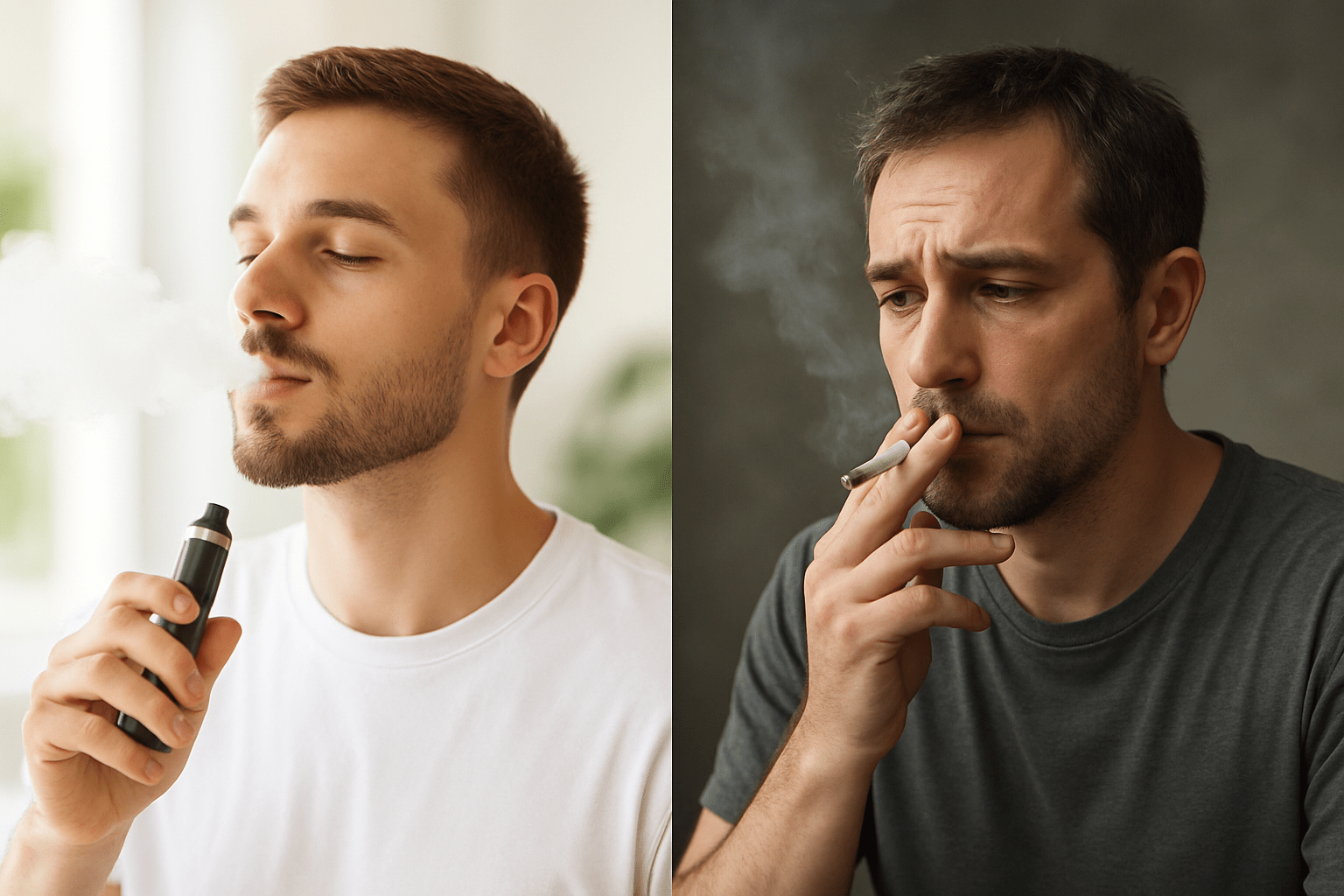
As public health debates evolve, the comparison between vaping and smoking remains a pressing topic in 2025. The rise of e-cigarettes has transformed tobacco consumption habits worldwide, igniting discussions among physicians, researchers, and enthusiasts alike. In this context, Dr. GreenRoger, a respected French YouTuber focused on cannabis and its consumption methods, contributes valuable insights on whether vaping presents a truly healthier alternative to traditional smoking. The debate hinges not only on nicotine delivery but also on impacts to lung health, addiction potential, and harm reduction strategies presented by these modalities.
Unlike conventional tobacco smoking, which involves combustion, vaping employs vaporization of liquid solutions containing nicotine, flavorings, and various other substances. This technological difference may imply a shift in health risks, but to what extent? Dr. GreenRoger’s research-based and educational approach helps discontinuous consumers make informed decisions. Moreover, with technological innovations peppering the landscape — including patented devices like Apple’s vaporizer — the vaping scene is rapidly evolving in favor of safer alternatives.
Beyond the device, the social perception around vaping continues to shift, influenced by legal frameworks, cannabis café emergence, and the global push for harm reduction. While some argue vaping is less harmful than smoking tobacco, skepticism persists about youth addiction and the long-term pulmonary consequences. Exploring available scientific literature, as well as market trends, allows a comprehensive understanding of whether vaping can truly dethrone smoking as the preferred consumption method in 2025 and beyond.
Comparing Vaping and Smoking: Understanding Differences in Nicotine Delivery and Lung Health
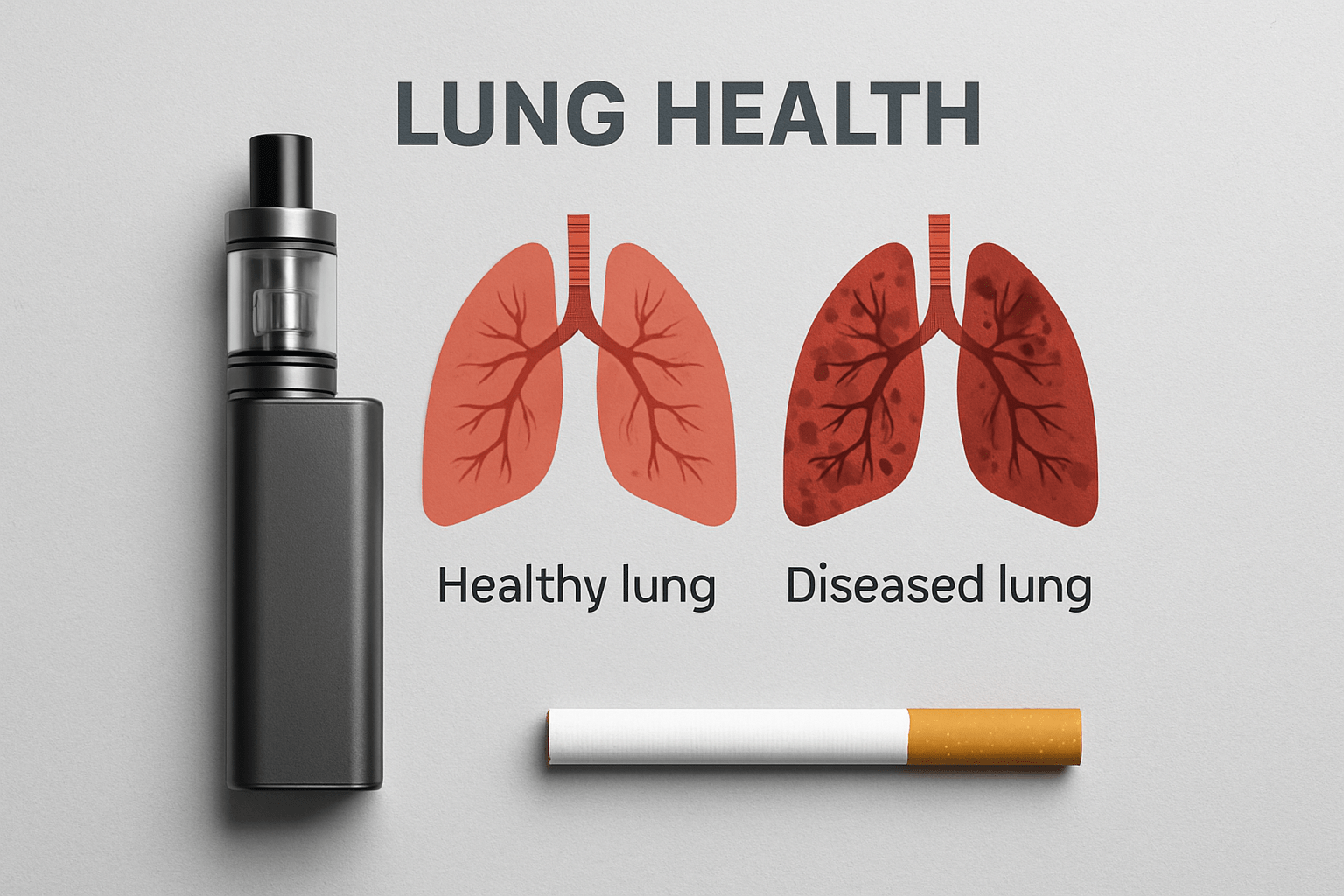
Traditional smoking involves burning tobacco that releases thousands of harmful chemicals, many carcinogenic, directly inhaled into the lungs. In contrast, vaping heats e-liquids to create vapor, theoretically reducing exposure to tar and toxicants. This fundamental difference ignites interest in whether vaping offers a healthier alternative. From nicotine levels to the effects on lung tissue, the mechanisms diverge substantially.
Nicotine delivery in vaping is often more controlled, with many e-cigarette brands offering adjustable dosages, some even nicotine-free options. Tobacco smokers, by comparison, are exposed to nicotine alongside a multitude of combustion byproducts. While nicotine itself is addictive and affects the cardiovascular system, it’s the accompanying toxicants in smoke that contribute most to lung damage.
Studying lung health outcomes reveals that smoking causes chronic obstructive pulmonary disease (COPD), emphysema, and cancer risks that vaping may markedly reduce. Public health experts classify vaping as a harm reduction tool, yet caution that it is not risk-free, as some vapor constituents may provoke inflammation or irritation. For example, as Dr. GreenRoger highlights, several vapers report less coughing and respiratory distress compared to tobacco smokers, which is backed by reports on coughing after smoking.
- Vaping avoids combustion toxins like tar and carbon monoxide.
- Nicotine levels can be customized or eliminated in e-cigarettes.
- Reduced irritants may preserve lung tissue better than smoking.
- Potential inflammatory effects from certain chemicals in vapor remain under research.
- Smoking causes irreversible lung damage linked to carcinogens.
| Aspect | Smoking | Vaping |
|---|---|---|
| Nicotine Delivery | Fixed per cigarette; high peaks | Adjustable levels; smoother absorption |
| Toxins Inhaled | High (tar, carbon monoxide) | Lower (varies by liquid composition) |
| Lung Impact | Severe and cumulative damage | Less acute damage; long-term effects still studied |
| Addiction Potential | High due to nicotine and behavioral cues | Variable; dependent on nicotine levels and usage patterns |
Emerging market trends also show vaping increasingly used in cannabis consumption, particularly in regions where social settings adapt to new lifestyles such as Denver’s pioneering cannabis cafés. These venues highlight changing consumer preferences that blend recreational choice with health-conscious decisions.
The Role of Harm Reduction in Shaping the Vaping vs Smoking Debate
Harm reduction is a public health strategy designed to lower the adverse health effects associated with risky behaviors, including tobacco use. Vaping, as emphasized by Dr. GreenRoger, falls within this framework by offering a less damaging option for nicotine delivery. Rather than advocating abstinence alone, harm reduction acknowledges the difficulties of quitting and seeks alternatives that mitigate harm.
This pragmatic approach is relevant in 2025, where regulatory landscapes globally aim to control tobacco while recognizing vaping’s potential. E-cigarettes often serve as tools in smoking cessation programs, allowing gradual nicotine tapering with less detrimental impact on lung health. However, challenges persist regarding youth initiation and ensuring that vaping remains an adult harm reduction method rather than a gateway to addiction.
- Vaping limits exposure to devastating carcinogens found in smoke.
- Regulation adapts to balance adult access and youth prevention.
- Vaping technologies evolve to improve safety and minimize harmful constituents.
- Continuous monitoring and research inform responsible policies.
- Education programs incorporate vaping as part of smoking cessation efforts.
| Harm Reduction Component | Smoking | Vaping |
|---|---|---|
| Toxin Exposure | High, includes carcinogens | Significantly reduced, though not absent |
| Potential for Quitting | Low to moderate success rates | Higher success rates with controlled nicotine |
| Regulatory Challenges | Well-established bans and taxes | Developing regulations and quality control |
| Youth Risk | Exposure to cigarettes underage | Concerns over appeal; demographics monitored |
References such as the Cannabis Daily News on smoking alternatives highlight harm reduction models applied beyond tobacco to cannabis consumption, where vaping is similarly positioned. Dr. GreenRoger points out that these strategies encourage safer use patterns without moralizing, fostering openness and improved public health outcomes.
Addiction and Nicotine Management: Vaping as a Tool for Control and Gradual Discontinuation
The addictive nature of nicotine complicates efforts to mitigate tobacco-related harm. Vaping, with its customizable nicotine concentrations, may serve as a stepwise approach to addiction management. Instead of abrupt cessation, users can decrease nicotine intake gradually, reducing withdrawal discomfort and relapse risk.
Dr. GreenRoger notes that controlling behavioral rituals inherent in smoking—such as hand-to-mouth action and inhalation—through vaping devices preserves some psychological satisfaction vital for successful quitting. Moreover, alternatives like nicotine-free e-liquids or cannabis vaping widen options for users aiming to circumvent nicotine addiction altogether.
- Nicotine dosing in e-cigarettes is adjustable and often labeled clearly.
- Gradual nicotine reduction enhances quitting success.
- Vaping sustains behavioral habits critical for addiction interruption.
- Some vaporizers facilitate cannabis use, diversifying alternatives to tobacco.
- Medical technologies are emerging, including cannabis breathalyzers and patent innovations, refining addiction control.
| Nicotine Addiction Aspect | Smoking Cigarettes | Vaping |
|---|---|---|
| Flexibility in Nicotine Levels | Fixed concentration, difficult tapering | Customizable doses, gradual reduction possible |
| Behavioral Satisfaction | High rituals and habitual cues | Retained hand-mouth actions, inhalation |
| Relapse Risk | High after quitting attempts | Reduced with managed dosing strategies |
| Alternate Substance Use | Primarily tobacco | Options for cannabis or nicotine-free vaping |
Social and Legislative Trends Influencing Vaping Adoption and Public Perception
The expansion of vaping intersects with evolving social values and legal frameworks that continuously reshape consumption habits. In 2025, cities like Denver blaze trails with cannabis cafés where vaping is often the method of choice, blending social experience with harm reduction goals. Such models demonstrate wide societal acceptance combined with regulatory oversight, signaling an emerging norm.
Public health campaigns focus not solely on banning tobacco but promoting informed consumer choices. However, rising concerns about adolescent use have prompted targeted programs to prevent early exposure, supported by studies such as the European adolescent cannabis initiatives. Parents’ smoking habits also influence youth uptake, underscoring family environment roles highlighted by resources like Parents Smoking More Children.
- Municipal cannabis cafés help normalize safer consumption.
- Legislation strives to limit youth vaping through advertising bans.
- Vaping perceived as a social activity for adults aiming to reduce harm.
- Parental influence remains pivotal in adolescent substance use.
- Technological patents, including Apple’s vaporizer, drive product innovation under regulatory oversight.
| Social/Legal Factor | Smoking Impact | Vaping Influence |
|---|---|---|
| Public Perception | Declining due to health concerns | Growing acceptance among adults |
| Regulations | Heavily restricted, tax-burdened | Developing with focus on safety and youth protection |
| Social Venues | Generally stigmatized | Positive integration in cannabis cafés and lounges |
| Influence on Youth | Direct exposure through family and peers | Monitored to prevent early uptake |
Technological Advancements in Vaping Devices Enhancing Safety and Experience
The vaping industry in 2025 benefits from rapid technological refinements aiming to maximize user safety and satisfaction. Innovations such as the patented Apple vaporizer illustrate how engineering advances offer precise temperature controls and improved materials limiting harmful emissions.
Additionally, the introduction of alternative consumption forms — including cannabis chewing gum patents and vaporizing options — broadens the definition of inhalation therapy beyond electronic cigarettes. These technologies often target reduced addiction potential by streamlining dose delivery and minimizing toxicants.
- Temperature regulation minimizes production of harmful compounds.
- New materials reduce contamination risk in vapor pathways.
- Compact and sleek designs improve discretion and portability.
- Cross-integration with cannabis products enhances user options.
- Device patents inspire ongoing research into safer alternatives.
| Technological Feature | Common Smoking Products | Modern Vaping Devices |
|---|---|---|
| Temperature Control | None – uncontrolled combustion | Precise heating to avoid combustion |
| Material Safety | Burned tobacco and paper | Medical-grade metals and ceramics |
| Design | Standardized cigarettes or pipes | Ergonomic, customizable devices |
| Substance Variety | Tobacco only | Nicotine, cannabis, flavor blends |
These outcomes corroborate Dr. GreenRoger’s perspective: vaping technology advancement supports the argument that it can be a healthier alternative by minimizing harmful exposures while enhancing user experience. As these devices continue to evolve, they may shift public health paradigms towards safer consumption modes across various substances.


Post Comment