CANNALEX: A Global Comparison of Cannabis Regulation Experiences

As cannabis regulation continues to evolve worldwide, the CANNALEX project offers an invaluable comparative perspective on cannabis legalization efforts in diverse legal and cultural contexts. Initiated in 2015 and culminating with a decisive 2024 conference at Paris’s Ecole Militaire, CANNALEX examined regulatory frameworks across the Colorado and Washington states in the United States, as well as Uruguay, three pioneers in cannabis legalization. This global comparison sheds light on how different drug policies influence social behavior, public health, crime rates, and the burgeoning cannabis industry. Each region embraced cannabis laws between 2012 and 2014, facilitating a unique opportunity to observe initial effects and regulatory consequences after roughly a decade. Rather than debating legalization’s merits, CANNALEX rigorously analyzed outcomes through extensive field studies and documentation, presenting findings on consumption trends, economic impacts, law enforcement shifts, and health system responses that are critical for policymakers worldwide in 2025.
Crucially, the project observed that legalization efforts generally unfolded within already receptive contexts, often characterized by prior decriminalization or medical cannabis access, which smoothed public acceptance. Despite differing regulatory approaches across these areas, a consistent finding was the surprising reduction in cannabis use among youth contrasted with increased consumption among adults over twenty-five. The nuanced report further unveiled a rise in cannabis-related hospitalizations, though social costs remain difficult to quantify comprehensively. Economically, the U.S. states demonstrated striking revenue generation, with tax receipts outpacing alcohol taxes in Colorado, whereas Uruguay, not pursuing economic incentives, experienced more muted fiscal effects. Law enforcement’s focus shifted away from cannabis use towards other crimes, hinting at potential societal benefits from these reforms. However, CANNALEX’s conclusive insight is that no perfect regulatory model yet harmonizes public health, security, and economic interests comprehensively, leaving global policymakers with lessons and cautionary trends from these groundbreaking cannabis laws.
Global Comparison of Cannabis Regulatory Frameworks: Insights fromColorado, Washington, and Uruguay
Understanding cannabis regulation requires examining the diverse frameworks implemented by jurisdictions that pioneered legalization. While Colorado and Washington states opted for market-driven models emphasizing commercial cannabis industries combined with strict legal compliance, Uruguay embraced a government-controlled system prioritizing public health over profitability.
Colorado’s cannabis laws focus on a regulated commercial industry subject to excise taxes that surpassed those on alcohol by 2024, signaling significant economic benefits. The regulatory framework involves licensing for growers, retailers, and distributors, accompanied by comprehensive compliance standards to control quality and safety. Washington state followed a similar trajectory, with gradual regulation of production and retail sectors, alongside pioneering initiatives such as the legalization of cannabis delivery services, carefully balancing access with oversight.
In contrast, Uruguay adopted a unique approach after legalizing cannabis in 2013. Rather than fostering a commercial market, it instituted a state-controlled system with fixed prices and limited product varieties accessible only through pharmacies and registered cannabis clubs. The emphasis is on public health, limiting potency and availability to restrict consumption growth and organized crime involvement. Although Uruguay’s cannabis industry is modest compared to the U.S. states, it embodies an alternative regulatory approach emphasizing social benefits over economic gain.
Diverging Regulatory Models and Their Outcomes
- Economic Orientation: Colorado and Washington capitalize on tax revenues from a thriving legal cannabis market, supporting public services and regulatory enforcement.
- Public Health Emphasis: Uruguay’s tightly controlled model prioritizes consumer protection and reduces exposure to high-potency products.
- Access Controls: Strict licensing and age restrictions operate across all jurisdictions, but enforcement intensity and understanding of legal compliance vary.
- Market Growth vs. Social Responsibility: U.S. states encourage innovation and market expansion, while Uruguay maintains a cautious stance to curtail market excesses.
These models demonstrate that cannabis legalization is not monolithic; regulatory frameworks reflect local values, political climates, and public health priorities, shaping the trajectory of cannabis policy worldwide.
| Aspect | Colorado | Washington | Uruguay |
|---|---|---|---|
| Legalization Year | 2012 | 2012 | 2013 |
| Market Type | Commercial, regulated | Commercial, regulated | State-controlled, limited |
| Tax Revenue (2024) | Exceeded alcohol taxes | Significant but less than Colorado | Minimal |
| THC Limits | Market-driven, wide range | Wide range, innovative products | Limited potency, max ~15% |
| Access Points | Dispensaries, online sales | Dispensaries, delivery services | Pharmacies, cannabis clubs |
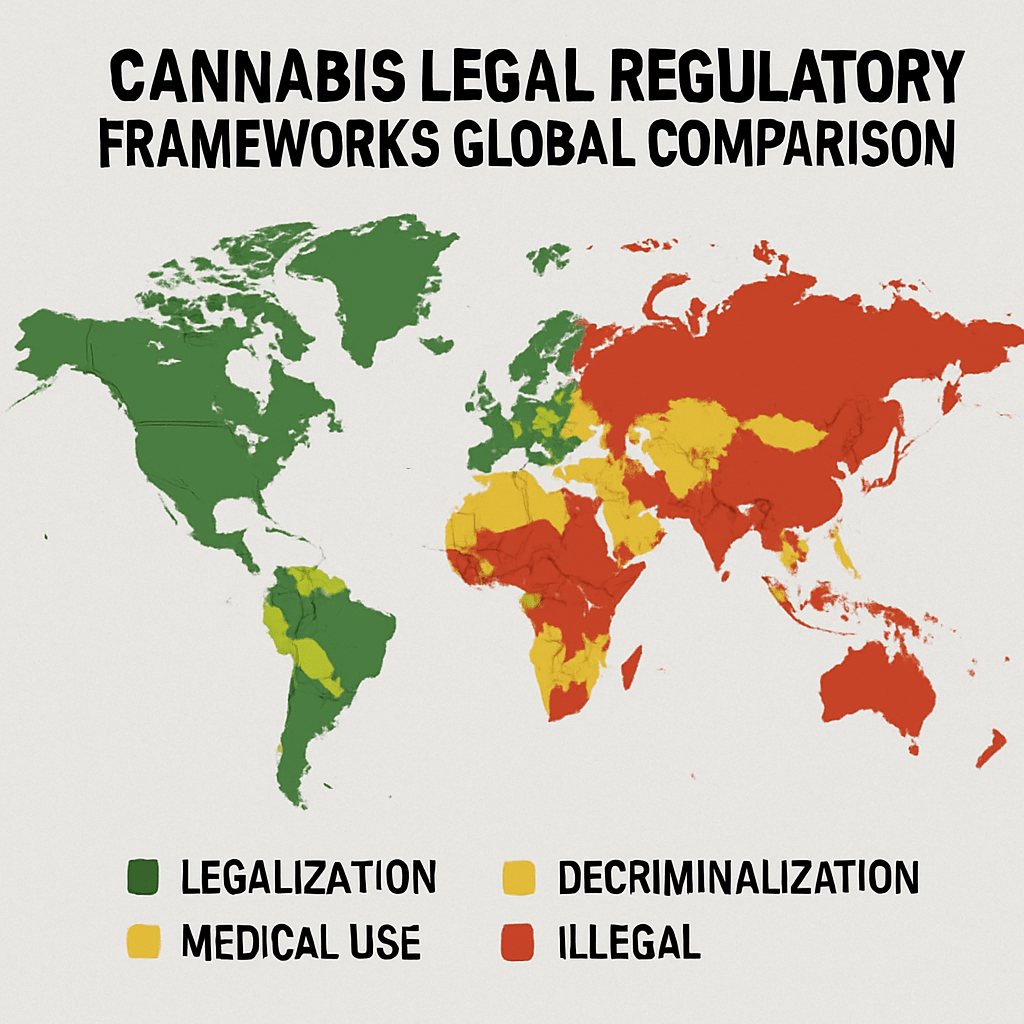
Public Health and Cannabis Legalization: Analyzing Consumption and Hospitalization Trends
One of CANNALEX’s most striking findings challenges common assumptions surrounding youth cannabis use. Across all three studied regions, legalization did not lead to an uptick in consumption among adolescents and young adults under 25. In fact, data illustrates a slight decline in cannabis use in this demographic, while consumption increased among adults aged 25 and over. This pattern suggests that regulatory frameworks and accompanying public health campaigns may effectively deter underage use, while adult users access legally regulated supplies.
Nonetheless, the report also flagged a concerning increase in hospitalizations related to cannabis use, highlighting emergent public health challenges. These hospital episodes include cases of acute intoxication, cannabinoid hyperemesis syndrome, and mental health crises potentially linked to high-potency cannabis products. The social costs, while not fully quantified, represent an active area requiring nuanced policy responses balancing access and safety.
Factors Influencing Consumption Patterns
- Legal Access: Adult users gravitate toward regulated markets providing product safety assurances and diverse potency options, encouraging substitution from illicit sources.
- Preventive Education: Targeted public health messages have successfully contributed to decreased adolescent consumption, reinforcing age restrictions.
- Product Potency and Diversity: While some consumers prefer high-THC extracts like dabs (with concentrations up to 99%), others opt for low-THC or CBD-rich varieties, underscoring market segmentation.
- Healthcare System Responsiveness: Increasing hospital visits signal the need for improved education among healthcare providers and the public on safe cannabis consumption and managing adverse events.
This trend invites policymakers to consider comprehensive strategies including regulation of product potency, investment in public health infrastructure, and monitoring of cannabis-related health data. Emerging tools such as reliable cannabis breathalyzers are promising advancements for managing cannabis-impaired driving and improving public safety.
| Public Health Indicator | Trend 2012–2024 | Implications |
|---|---|---|
| Youth Cannabis Use (<25 years) | Decreased | Effective age restrictions and education programs |
| Adult Cannabis Use (>25 years) | Increased | Market legalization and better access |
| Cannabis-Related Hospitalizations | Increased | Heightened need for healthcare readiness and harm reduction |
The Cannabis Industry and Economic Impacts: Lessons from Legal Compliance and Market Development
The emergence of a legal cannabis industry in Colorado and Washington has produced significant economic impacts, providing lucrative business opportunities and substantial tax revenues. The thriving market includes cultivation, retail distribution, product innovation, and ancillary services, all subject to navigating complex legal compliance demands.
Businesses in these jurisdictions advocate for clear regulatory frameworks to sustain growth and prevent legal ambiguities. However, paradoxically, some industry actors have been known to circumvent certain regulations, such as by leveraging subtle advertising strategies that skirt legal restrictions. This dynamic underscores the tension between regulation enforcement and market-driven commercial interests.
Economic Benefits and Compliance Challenges
- Tax Revenues: Colorado notably reports tax revenues surpassing those from alcohol sales, supporting public services.
- Job Creation: The cannabis economy has created thousands of direct and indirect jobs in cultivation, retail, transportation, and compliance sectors.
- Regulation Navigation: Companies often invest heavily in legal compliance teams to adapt to fast-changing cannabis laws and avoid enforcement penalties.
- Advertising Strategies: While outright marketing is often limited, businesses develop innovative approaches to brand visibility, occasionally testing regulatory boundaries.
By contrast, Uruguay’s limited market approach yields minimal economic impact but prioritizes public health safeguards. International observers drawing lessons from these cases must carefully weigh the trade-offs between economic incentives and social responsibilities. The report details how markets without robust legal compliance mechanisms risk instability, while overregulation may stifle innovation.
| Economic Factor | Colorado | Washington | Uruguay |
|---|---|---|---|
| Annual Tax Revenue (2024, USD millions) | ~500 | ~350 | < 20 |
| Jobs Created | 20,000+ | 15,000+ | Few, mostly non-commercial |
| Advertising Restrictions | Strict but circumvented | Strict but circumvented | Very strict, limited promotion |
Cannabis Laws and Crime: Impact of Legalization on Law Enforcement and Justice Systems
Beyond economics and public health, the CANNALEX project explored how cannabis legalization affects crime rates and the priorities of police and judicial bodies. Notably, jurisdictions reported little change in overall crime statistics directly attributable to cannabis legalization. Instead, law enforcement resources previously allocated to cannabis offenses shifted focus to other criminal issues, reflecting an evolution in policing priorities and justice administration.
This reallocation of resources aligns with broader drug policy reforms emphasizing harm reduction and pragmatic enforcement, reducing incarceration rates related to simple cannabis possession. Despite the cannabis industry’s growth, it has not generated significant criminal enterprise competition within regulated markets, although ongoing vigilance remains essential.
Changes in Criminal Justice Landscapes
- Decriminalization Effects: Prior partial depenalization in these regions laid groundwork for smoother legalization transitions.
- Enforcement Prioritization: Police focus moved toward addressing violent crimes and serious drug trafficking rather than individual cannabis users.
- Judicial System Workload: Courts experienced decreased caseloads from cannabis possession offenses, freeing resources for other matters.
- Regulatory Compliance Monitoring: Law enforcement increasingly monitors cannabis businesses to ensure adherence to rules, though resources are stretched.
This shift in cannabis-related criminal justice underscores evolving international policies that balance regulatory control with social justice. As states continue refining cannabis laws, understanding these dynamics guides future reforms to maximize societal benefit and fairness.
| Criminal Justice Aspect | Pre-Legalization (2012) | Post-Legalization (2024) |
|---|---|---|
| Arrests for Cannabis Possession | High | Significantly Reduced |
| Law Enforcement Focus | Cannabis offenses | Violent crime and trafficking |
| Judicial Caseload | Heavy with cannabis cases | Reduced in cannabis cases |
| Regulatory Business Compliance | Minimal | Increased monitoring |
The Challenge of Finding the Optimal Cannabis Legalization Model in 2025
Reflecting upon the diverse experiences showcased by CANNALEX, it becomes evident that no single cannabis regulation model has yet successfully integrated all aspects of public health, economic benefits, and law enforcement objectives. Each jurisdiction’s approach provides valuable lessons and pitfalls that global decision-makers should consider as they craft or revise their own cannabis laws.
One key insight involves recognizing that legalization efforts must be tailored to specific socio-cultural contexts, underpinned by transparent legal compliance mechanisms and supported by public health strategies addressing both consumption and harm reduction. The diversity of cannabis products, including the rising prevalence of high-potency extracts and widespread use of CBD, complicates regulatory efforts and calls for nuanced interventions.
Additionally, the cannabis industry’s push for regulatory clarity contrasts with instances of strategic circumvention, especially regarding advertising, necessitating adaptive oversight frameworks. International policies will continue evolving as more data emerge from longer-term studies, emphasizing the importance of ongoing research and expert involvement. The CANNALEX final conference underscored these points, advocating for collaborative dialogues between policymakers, industry leaders, health experts, and civil society to shape future reforms effectively.
- Customization: Successful regulation must reflect local cultural, legal, and economic realities.
- Comprehensive Public Health Approach: Integrate education, prevention, treatment, and harm reduction.
- Dynamic Legal Compliance: Establish flexible yet firm controls to respond to market innovation and challenges.
- Stakeholder Collaboration: Foster inclusive policymaking involving government, industry, and community voices.
The evolving landscape of cannabis legalization invites a balanced, evidence-driven strategy. Future CANNALEX-like studies, possibly involving direct cannabis expertise and attention to emerging products such as CBD-infused consumables, will be invaluable. In the meantime, governments worldwide can explore lessons from Colorado, Washington, and Uruguay while adapting to their distinctive conditions.


Post Comment