Finding a Reliable Cannabis Breathalyzer: What You Need to Know
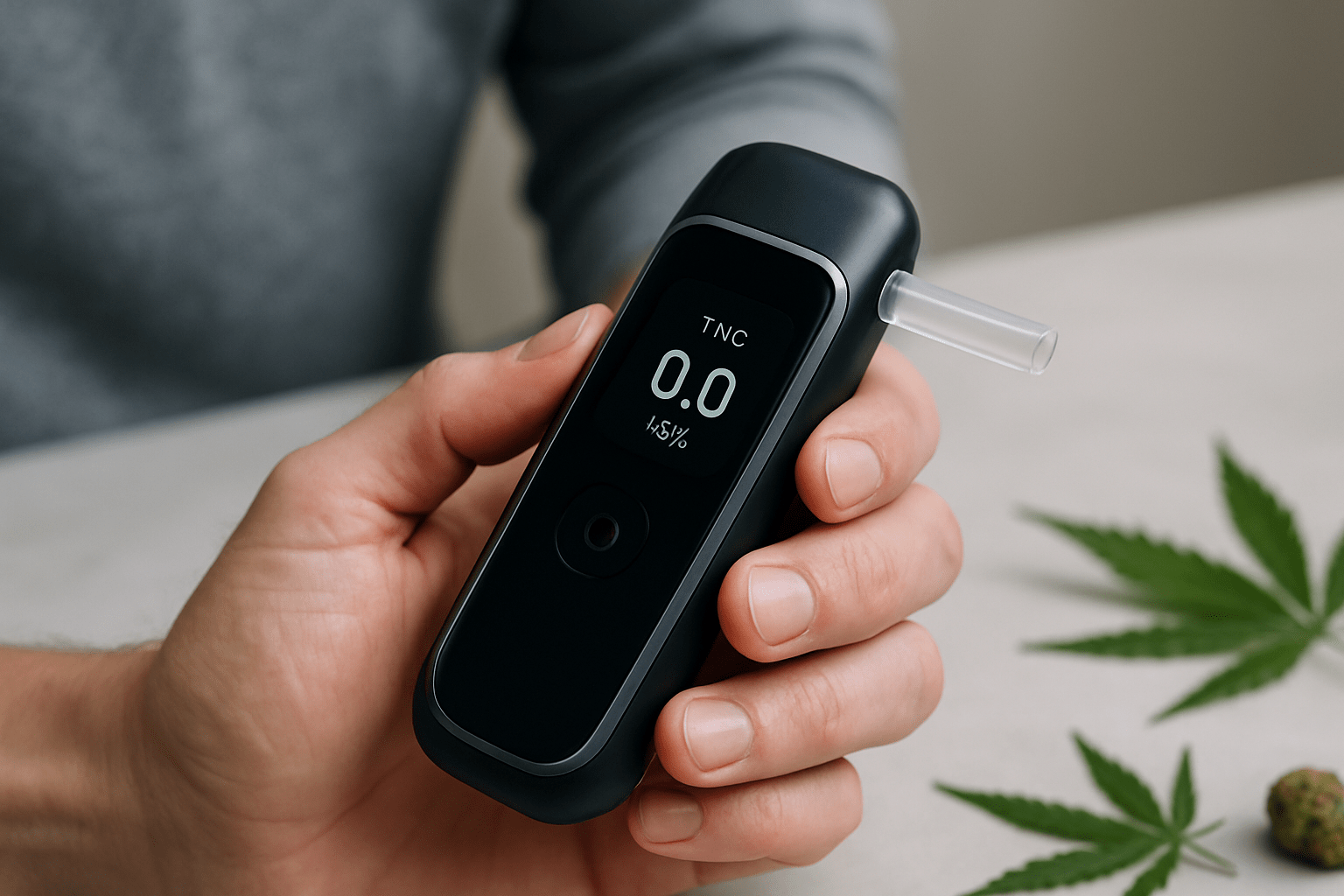
As cannabis legalization spreads across many regions, ensuring public safety has become a pressing concern, especially on the roads. Detecting cannabis impairment while driving is notoriously difficult due to the complex way THC interacts with the human body. Unlike alcohol, which has well-established blood alcohol concentration levels directly linked to impairment, cannabis presents a challenge in distinguishing between recent use and residual presence in the system. This difficulty highlights the urgent need for a Cannabis Breathalyzer that offers Reliable Testing for law enforcement and employers alike. Current research, such as the ongoing study by Washington State University in Pullman, aims to develop advanced Drug Testing Technology that can accurately indicate whether an individual is currently impaired by cannabis or simply has trace amounts of THC in their bloodstream from past consumption.
The significance of such technology is underscored by Washington state’s pioneering role in cannabis legalization. Since 2014, the state has grappled with setting realistic Legal Limits for THC blood concentration related to Drug-Impaired Driving. At 5 nanograms per milliliter of THC, drivers can face prosecution for impairment. However, given how THC accumulates and lingers in the body, many drivers test positive without being under the influence, complicating legal and safety enforcement efforts. The breakthrough of a Portable Breathalyzer specifically designed for cannabis would revolutionize roadside testing, prioritizing both fairness and Public Safety. This article delves into the ongoing research, the nuances of THC detection, the hurdles in breathalyzer accuracy, and what the future holds for cannabis impairment detection.
The Science Behind THC Detection and Challenges for Cannabis Breathalyzers
Understanding THC detection is pivotal to grasp why developing a reliable cannabis breathalyzer is complex. Tetrahydrocannabinol (THC), the psychoactive compound in cannabis, behaves differently from alcohol in the body. Alcohol follows a more predictable curve, with its blood concentration reflecting recent intake and impairment levels fairly accurately. THC, however, poses distinct challenges.
THC is fat-soluble, meaning it binds to fatty tissues and remains stored in the body, releasing gradually over time. This results in frequent cannabis users potentially having THC present in their bloodstream long after the psychoactive effects have subsided. Consequently, traditional blood or urine tests might detect THC without corresponding impairment, creating issues around Breathalyzer Accuracy and legal legitimacy.
The Washington State research team’s current study involves monitoring participants who consume cannabis in a controlled environment. Volunteers aged 21 or older, residing in Pullman, undergo pre-consumption screening including blood and oral fluid tests. After, they consume cannabis legally purchased from state-regulated dispensaries while researchers meticulously track THC levels and impairment indicators over time.
Key Challenges in THC Detection
- Residual THC Presence: Chronic users may test positive despite being unimpaired.
- Delayed Peak Impairment: Impairment peaks may not coincide with highest blood THC levels.
- Variability of Consumption Methods: Smoking, vaping, or edibles affect THC levels and onset differently.
- Different Metabolic Rates: Individual differences complicate establishing uniform impairment thresholds.
- Difficulty in Measuring Breath THC: THC detection in breath is less straightforward than blood alcohol detection.
| Factor | Alcohol | THC (Cannabis) |
|---|---|---|
| Impairment Correlates to Substance Level | Direct and predictable | Indirect and variable |
| Detection Window | Hours | Up to weeks for chronic users |
| Substance Storage | Water-soluble, cleared quickly | Fat-soluble, accumulates in fat tissues |
| Onset of Impairment | Minutes after intake | Variable depending on consumption type |
| Testing Matrix | Blood, breath, urine | Blood, oral fluid, breath (under research) |
The quest for a Cannabis Breathalyzer must therefore consider these physiological and pharmacokinetic complexities to achieve an effective and fair testing tool that can determine true impairment versus mere presence of THC.
Legal Limits and Implications of Cannabis Breathalyzer Deployment
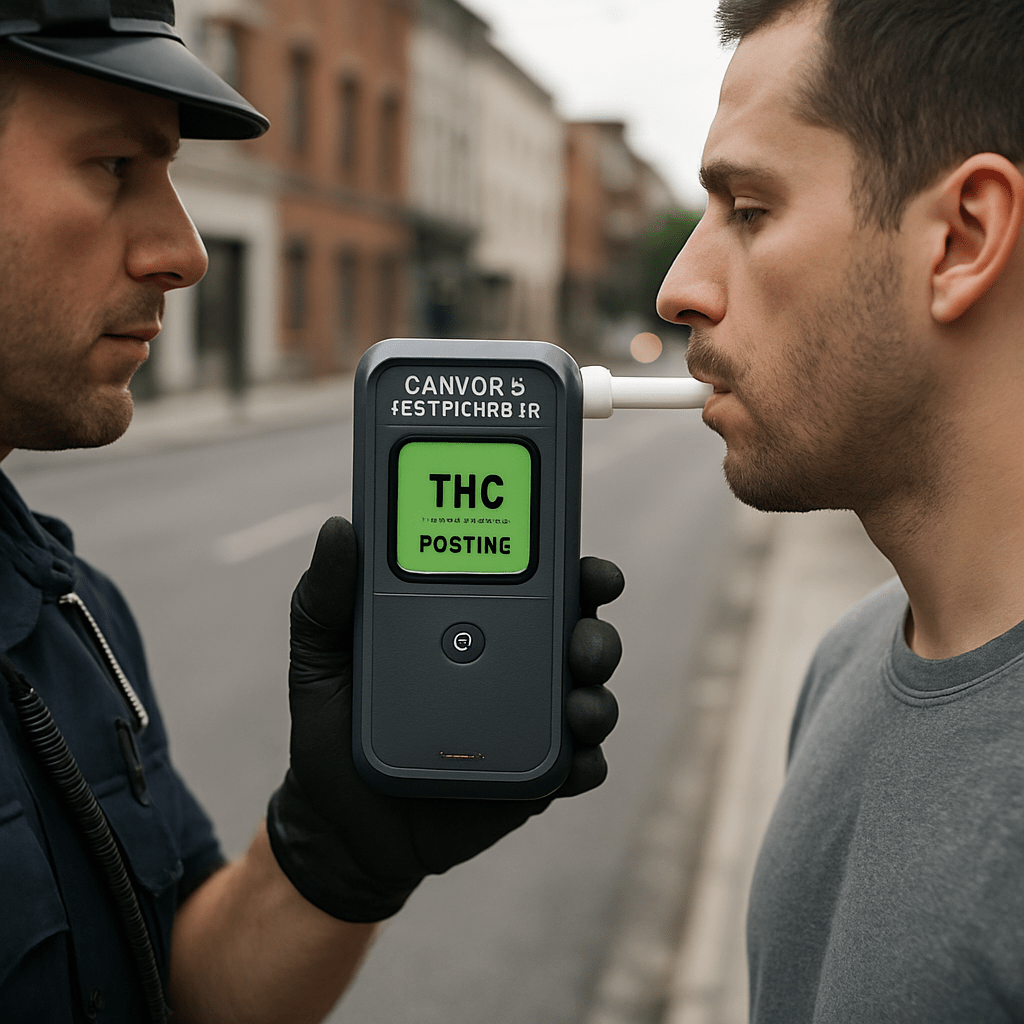
The establishment of legal limits for THC in drivers’ blood traces back to states like Washington, a leader in cannabis legalization. The fixed limit of 5 nanograms of THC per milliliter of blood serves as the cutoff for prosecuting Drug-Impaired Driving. However, this threshold presents challenges in practice.
First, THC’s lingering presence in blood can unfairly implicate habitual users who may not be impaired at the time of testing. This situation calls attention to the critical demand for a Reliable Testing method like a breathalyzer that distinguishes impairment from residual THC levels. Unlike blood tests that reflect past consumption, a breathalyzer could indicate recent cannabis intake more directly, enhancing fairness in law enforcement.
Implications for Enforcement and Public Safety
- Improved Roadside Testing: Portable breathalyzers enable immediate assessment without delays from lab analysis.
- Reduction of Wrongful Prosecutions: Focus shifts to impairment evidence rather than THC presence alone.
- Legal Consistency: Providing clear, reproducible measures of intoxication reduces gray areas in court.
- Public Confidence: Accurate detection tools engender trust in cannabis regulations and safety policies.
- Employer Testing Programs: Reliable breathalyzer results assist companies in maintaining drug-free workplaces safely and fairly.
| Aspect | Current Blood Test | Future Cannabis Breathalyzer |
|---|---|---|
| Result Time | Hours to days | Minutes |
| Impairment Indication | Uncertain due to residue | More accurate impairment assessment |
| Portability | Low | High |
| Use Case | Law enforcement, forensics | Roadside, workplace, event security |
| Legal Reliability | Under debate | Potentially stronger legal support |
Insights on the Ongoing Research Fueling Advances in Cannabis Breathalyzer Technology
At the forefront of cannabis breathalyzer innovation are research projects like the one led by Nathan Weller, municipal advisor and research assistant at Washington State University. Their study revolves around crafting a portable breathalyzer that reflects real-time cannabis impairment, helping police and relevant industries identify intoxicated individuals reliably.
The research design is meticulous, prioritizing participant safety and ethical standards. Volunteers, all over 21 and living in Pullman, consume cannabis from authorized dispensaries under monitored conditions. They receive $30 per hour, encouraging participation while researchers perform blood and oral screenings throughout the study. Taxi services ensure no participant drives while impaired.
How This Research Contributes to Advancing Public Safety and Drug Testing Tech
- Real-time Data Collection: Enables thorough analysis of THC levels correlated to behavioral impairment.
- Testing Method Improvement: Identifies which biological matrices best reflect impairment within a practical timeframe.
- Technological Validation: Develops portable breathalyzer prototypes with increased sensitivity and specificity.
- Policy Impact: Provides lawmakers with empirical data to set fair legal limits and guidelines.
- Global Collaboration: Joins other international efforts to combat cannabis-impaired driving.
| Research Stage | Goal | Status |
|---|---|---|
| Participant Recruitment | Engage local adult volunteers | Completed |
| Baseline Testing | Establish initial THC and impairment data | Ongoing |
| Cannabis Consumption | Controlled intake from state dispensaries | Ongoing |
| Data Analysis | Correlate breath THC to impairment | Expected Completion Mid-Year |
| Breathalyzer Development | Prototype generation and refinement | In Progress |
Understanding the Technical Elements Shaping Breathalyzer Accuracy for Cannabis
The complexity of developing an accurate Cannabis Breathalyzer places significant attention on the technical details influencing device precision. Unlike alcohol breathalyzers that rely primarily on measuring alcohol concentration in breath, cannabis breathalyzers face unique issues related to the detection of THC molecules.
THC molecules are present in breath in far lower concentrations than alcohol in breath after consumption. The breathalyzer technology must therefore detect minute traces of THC quickly and reliably to be effective in a roadside or workplace setting. This requires advanced sensors with high sensitivity and specificity to avoid false positives or negatives.
Factors Affecting Breathalyzer Accuracy
- Sensor Sensitivity: Ability to detect extremely low THC concentrations in breath samples.
- Sample Collection Method: Ensuring consistent breath sample quality is critical.
- Interference Minimization: Avoiding detection errors from other compounds in breath.
- Calibration and Maintenance: Regular device checks to preserve functional accuracy.
- Environmental Influences: Temperature and humidity can impact sensor performance.
| Technical Parameter | Impact on Accuracy | Mitigation Strategy |
|---|---|---|
| Sensor Sensitivity | Higher sensitivity reduces false negatives | Use of advanced nanomaterial-based sensors |
| Sample Consistency | Variable samples cause inaccurate readings | Standardized breath collection protocol |
| Cross-Contamination | Molecules from environment cause false positives | Pre-test mouth rinsing requirement |
| Device Calibration | Drift leads to unreliable results | Automated calibration routines |
| Temperature/Humidity | Sensor degradation or altered response | Environmental sensors to adjust readings |
The success of a breathalyzer depends as much on these technical considerations as on biochemical understanding. Mastery of both domains is essential to produce a truly Reliable Testing apparatus that can be used broadly for cannabis impairment detection.
The Potential Impact of Reliable Cannabis Breathalyzers on Public Safety and Society
If the efforts underway prove successful, the introduction of reliable cannabis breathalyzers could redefine approaches to combating Drug-Impaired Driving. By offering real-time, accurate impairment assessments, these devices promise safer roads and workplaces.
For law enforcement, the transition from blood or urine testing to portable breathalyzers would streamline procedures and reduce errors related to THC persistence in the body. Employers could implement fairer drug screening programs that respect privacy and focus on true impairment rather than recent consumption history.
Benefits for Society
- Enhanced Road Safety: Immediate identification and prevention of impaired driving incidents.
- Reduction in Legal Disputes: Clear evidence of impairment lowers wrongful accusations.
- Encouragement of Responsible Use: Clear detection mechanisms may deter users from driving while impaired.
- Support for Legal Cannabis Markets: Strengthened regulation increases public trust.
- Global Model Development: Successful implementation could guide international policies.
| Stakeholder | Expected Benefit | Impact on Cannabis Industry |
|---|---|---|
| Law Enforcement | Efficient, quick testing at roadside | Better enforcement of intoxication laws |
| Employers | Accurate impairment testing for workplace safety | Fair drug policies enhance workforce productivity |
| Consumers | Clear standards for safe cannabis use | Confidence in legal cannabis availability |
| Public Health | Decreased accidents from impaired driving | Lower societal costs from cannabis misuse |
| Policy Makers | Data-driven regulations and limits | Evidence-based legislation enhances public trust |
The ripple effect of a Reliable Cannabis Breathalyzer extends beyond immediate safety concerns. Its success would demonstrate how Drug Testing Technology can evolve with changing social norms and substance legalization, improving outcomes for communities worldwide.


Post Comment