The NBA May Embrace Medical Cannabis for Players

The evolving landscape of the NBA’s stance on cannabis marks a significant turning point in professional sports medicine and athlete wellness. As chronic pain management remains a persistent challenge for players, medical cannabis offers a promising alternative treatment that could transform recovery protocols and support long-term health. League authorities, led by NBA Commissioner Adam Silver, have openly expressed willingness to revisit cannabis policy, assessing scientific evidence to regulate therapeutic cannabis use responsibly within the league. This potential paradigm shift reflects broader cultural and legislative changes affecting cannabis acceptance worldwide, aligning the NBA with progressive approaches seen in other sports and jurisdictions. With key figures like Golden State Warriors’ coach Steve Kerr advocating for cannabis as a safer analgesic than conventional medications, the conversation extends beyond stigma toward practical benefits for player performance and well-being. The NBA’s reconsideration offers insights into league regulations adapting to modern sports medicine demands, bridging gaps between federal and state cannabis laws, and fostering a culture that prioritizes holistic athlete recovery.
The Emerging Role of Medical Cannabis in NBA Player Health Management
Medical cannabis is increasingly recognized as a viable option within sports medicine for managing chronic pain and aiding recovery. NBA players often endure long seasons marked by intense physical strain, making effective pain management crucial for sustaining performance and extending careers. Traditionally, analgesics such as opioids and nonsteroidal anti-inflammatory drugs (NSAIDs) have been prescribed, but these can come with unwanted side effects including dependency risks and gastrointestinal issues.
As a result, alternative treatments have gained attention. Cannabis, with its anti-inflammatory and analgesic properties, offers a safer profile and fewer adverse effects. This has sparked growing interest among NBA circles, especially as several U.S. states and countries have legalized medical cannabis, creating a patchwork of regulatory environments that complicate league-wide policy enforcement.
NBA Commissioner Adam Silver emphasized this cautious openness, highlighting the importance of basing cannabis policy on science and regulation akin to other medications. He noted surprising nuances — NBA players often experience fewer severe injuries than athletes in collision sports, but chronic pain from muscle fatigue and microtraumas remains prevalent. Silver stated, “If science shows medical cannabis can positively impact recovery and pain, we’re prepared to revisit our stance.”
- NBA’s current pain treatment protocols: Primarily pharmaceuticals, excluding cannabis.
- Potential benefits of medical cannabis: Reduced opioid reliance, improved sleep, lowered inflammation.
- Challenges: Varying state laws, federal classification of cannabis, stigma.
- Stakeholder perspectives: Players, medical experts, league officials, legal advisors.
Notably, some players have privately expressed interest or even use cannabis for recovery, though openly admitting this remains risky under existing league regulations. The NBA’s evolving cannabis policy could pave the way for greater transparency, normalized medical use, and enhanced player wellness initiatives.
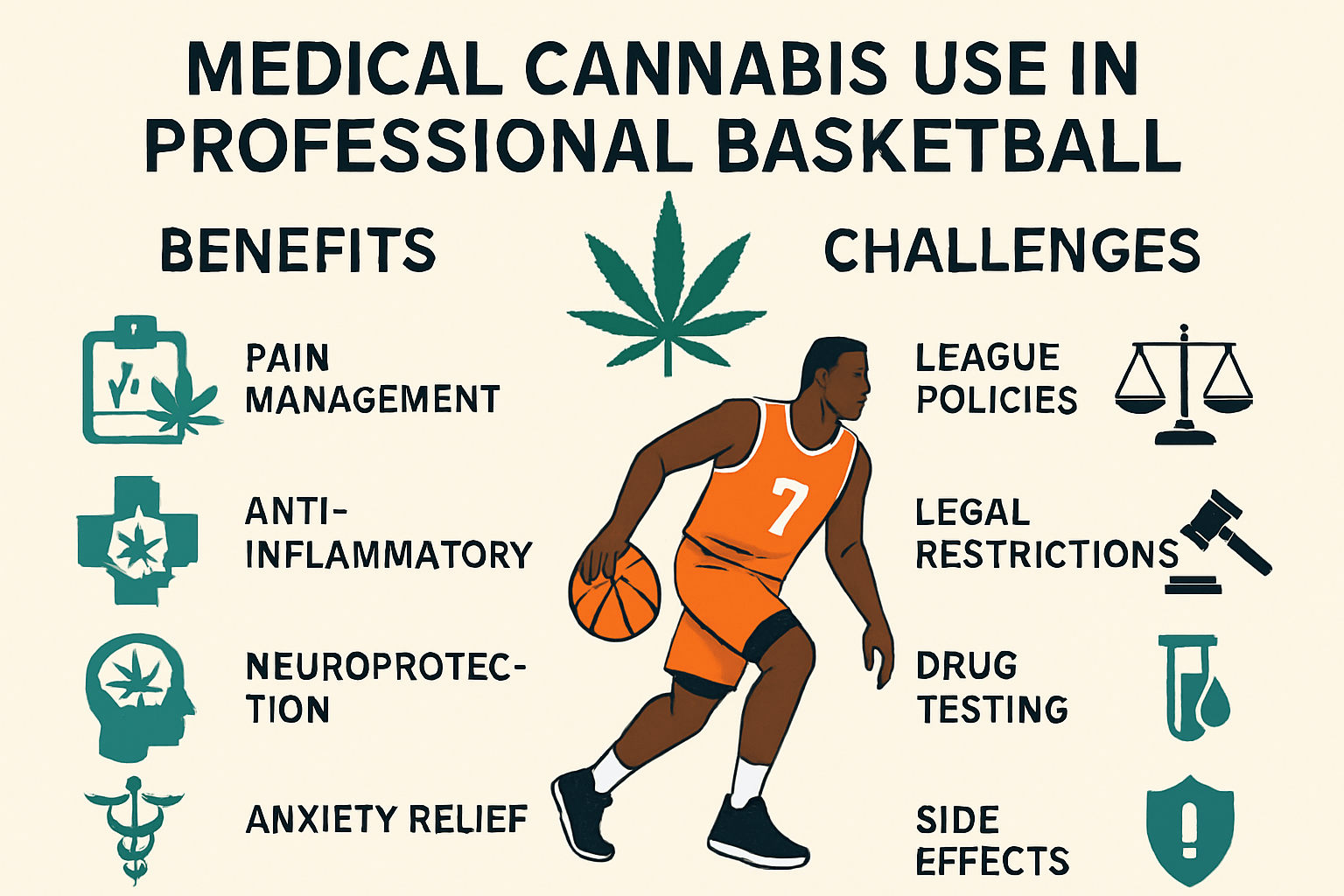
| Aspect | Current NBA Practice | Potential Changes with Medical Cannabis |
|---|---|---|
| Pain Management | Opioids, NSAIDs | Introduction of regulated cannabis options |
| Recovery Time | Varied, with pharmaceuticals | Possibility of faster recovery and less side effects |
| Player Participation | Some concealment of cannabis use | Open use under medical supervision |
| Regulatory Challenges | Conflicting federal and state laws | Standardized league-wide cannabis policies |
For further context on global medical cannabis shifts, consider how regions like Australia and Canada are integrating cannabis export and pharmaceutical production frameworks that might influence future NBA policies: Australia Medical Cannabis Exports, Fagron Canadian Cannabis.
NBA Leadership Advocates for Regulated Therapeutic Cannabis Use
Key NBA figures have stepped forward promoting the potential of medical cannabis in athlete wellness. Adam Silver’s recent comments at the Basketball Without Borders event underscored the necessity for a scientifically backed approach. He advocated for treating cannabis like other medicinal substances, subject to rigorous regulation for safe therapeutic use.
Coach Steve Kerr of the Golden State Warriors has emerged as one of the most vocal proponents within the NBA ranks. He specifically highlighted cannabis as a more effective and less harmful alternative to traditional prescription drugs such as Vicodin. Kerr noted side effects commonly associated with opioids—including nausea and constipation—can be avoided with cannabis, which enhances players’ quality of life during recovery periods.
In addition to therapeutic benefits, Kerr emphasized that open dialogue involving players and the league’s justice department would be essential before any formal policy shifts. This kind of engagement ensures that all stakeholders have input on how medical cannabis should be integrated within the league’s culture and regulatory framework.
- Adam Silver’s vision: Cannabis regulated as medicine, with player input.
- Steve Kerr’s endorsement: Cannabis as a safer analgesic option.
- Player involvement: Discussions to define acceptable use and investment.
- Justice department’s role: Legal compliance and policy enforcement.
This emerging leadership perspective signals a significant shift in the NBA’s approach, possibly influencing other major sports leagues to reconsider their cannabis policies. It also reflects broader societal changes, with legislative movements such as Texas proposing legalization bills aimed at 2025 and ongoing federal-level resistance in some areas: Texas Marijuana Legalization Proposals, Federal Resistance to Medical Cannabis.
| Key Leaders | Statements on Medical Cannabis | Implications for NBA |
|---|---|---|
| Adam Silver | Open to medical cannabis if science-backed | Potential policy reform under regulation |
| Steve Kerr | Endorses cannabis over opioids for safety | Encourages player health focus |
| Players & Justice Dept. | Pending discussions on usage & rules | Inclusive, stakeholder-driven policy design |
Understanding the Impact of Cannabis Policy Changes on Player Recovery and Wellness
The NBA’s new cannabis policy discussions focus on how removing cannabis from the list of banned substances could affect player recovery, pain management, and overall health. This aligns with trends in other leagues adapting their approaches to fit scientific and societal shifts.
Chronic pain is a common affliction among NBA athletes, stemming from muscle overuse, joint stress, and repetitive impact. Managing this pain effectively is crucial not only for performance but also for long-term wellness post-retirement. Introducing regulated medical cannabis could translate into:
- Improved management of inflammation and pain
- Reduction in the use of riskier medications such as opioids
- Enhanced sleep quality, which supports muscle recovery
- Overall improvement in mental health and stress reduction
Surveys suggest a significant proportion of professional basketball players already use cannabis discreetly for recovery despite its banned status, reflecting a growing disconnect between existing policies and player behavior. Formal regulation would allow safer, monitored use and further research into optimal dosing and efficacy.
Looking globally, nations like New Zealand and Brazil have implemented varied medical cannabis laws impacting patients’ rights and home cultivation provisions, which mirror some complexities the NBA must navigate internally: New Zealand Medical Cannabis Laws, Brazil Cannabis Home Cultivation.
| Recovery Factor | Current State | Potential Outcome with Medical Cannabis |
|---|---|---|
| Pain Management | Opioids, NSAIDs with side effects | Effective symptom relief with fewer risks |
| Mental Wellness | Unaddressed stress and anxiety issues | Improved mood, reduced anxiety |
| Sleep Quality | Inconsistent, impacted by pain | Better rest and faster recovery phases |
| Player Transparency | Use often hidden/circumvented | Open dialogue leading to responsible use |
Legal and Regulatory Challenges Surrounding Medical Cannabis in Professional Sports
Adopting medical cannabis within the NBA framework requires navigating a complex web of legal and regulatory challenges. Despite legalization in many U.S. states, cannabis remains federally classified as a Schedule I substance, creating conflicts for national-level organizations like the NBA.
The NBA must consider not only federal and state regulations but also international policies due to the league’s global reach and diverse player backgrounds. The prospect of allowing players to legally invest in or promote cannabis brands as part of the collective bargaining agreement reflects evolving cannabis policy but also introduces compliance intricacies.
Key obstacles include:
- Ensuring compliance with federal drug laws while respecting state legalizations
- Establishing clear usage guidelines and limits to avoid performance impairment
- Developing educational programs about safe cannabis use for players and staff
- Balancing public relations concerns amid lingering stigma around cannabis
Efforts by U.S. Congress to shield cannabis laws and expand protections at the state level continue to shape this evolving environment: Congress Shields Cannabis Laws. Meanwhile, different states experience uneven progress, as seen in South Dakota’s recent setback on recreational legalization that impacts dispensary operations: South Dakota Cannabis Dispensary Challenges.
| Regulatory Issue | Current State | NBA Consideration |
|---|---|---|
| Federal Classification | Schedule I controlled substance | Workarounds for medical use policies |
| State Variances | Patchwork legalization | Unified league guidelines needed |
| Player Endorsements | Restricted under prior CBA | New allowance with limits and compliance |
| International Players | Different legal statuses | Inclusive policies for diverse legal contexts |
Analogous developments in Canada and Australia highlight the benefits of establishing clear frameworks for medical cannabis management: Canadian Cannabis Regulation, Australian Medical Cannabis Exports.
Anticipated Benefits and Future Prospects of NBA Medical Cannabis Adoption
The NBA’s openness to medical cannabis has the potential to revolutionize pain management and athlete wellness standards. Successfully integrating regulated therapeutic cannabis could:
- Reduce reliance on opioids and their associated risks
- Enhance player quality of life during and after active careers
- Promote progressive league culture embracing holistic health approaches
- Stimulate economic opportunities for players in the expanding cannabis market
- Set a benchmark for other professional sports leagues globally
As the NBA explores these possibilities, ongoing dialogue with players and healthcare professionals will be crucial. Transparency and education can dismantle stigma and ensure responsible usage aligns with competitive integrity. This shift also mirrors international cannabis policy trends, illustrating a worldwide reevaluation of cannabis in medicine and society’s acceptance.
| Benefit | Explanation | Potential Impact |
|---|---|---|
| Enhanced Recovery | Anti-inflammatory effects improve healing | Faster return to play, fewer injuries |
| Safer Pain Relief | Alternative to opioids with fewer side effects | Reduced addiction and related health issues |
| Player Empowerment | Allowing investment and endorsement of cannabis brands | New revenue streams and industry influence |
| Culture Shift | Destigmatization of cannabis use in sports | Broader societal acceptance and league reputation |
For deeper insights into patient and physician perspectives on medical cannabis policies, refer to this comprehensive survey study: Medical Cannabis Policy Survey Insights.


Post Comment