Denver Pioneers the Launch of America’s First Cannabis Cafés
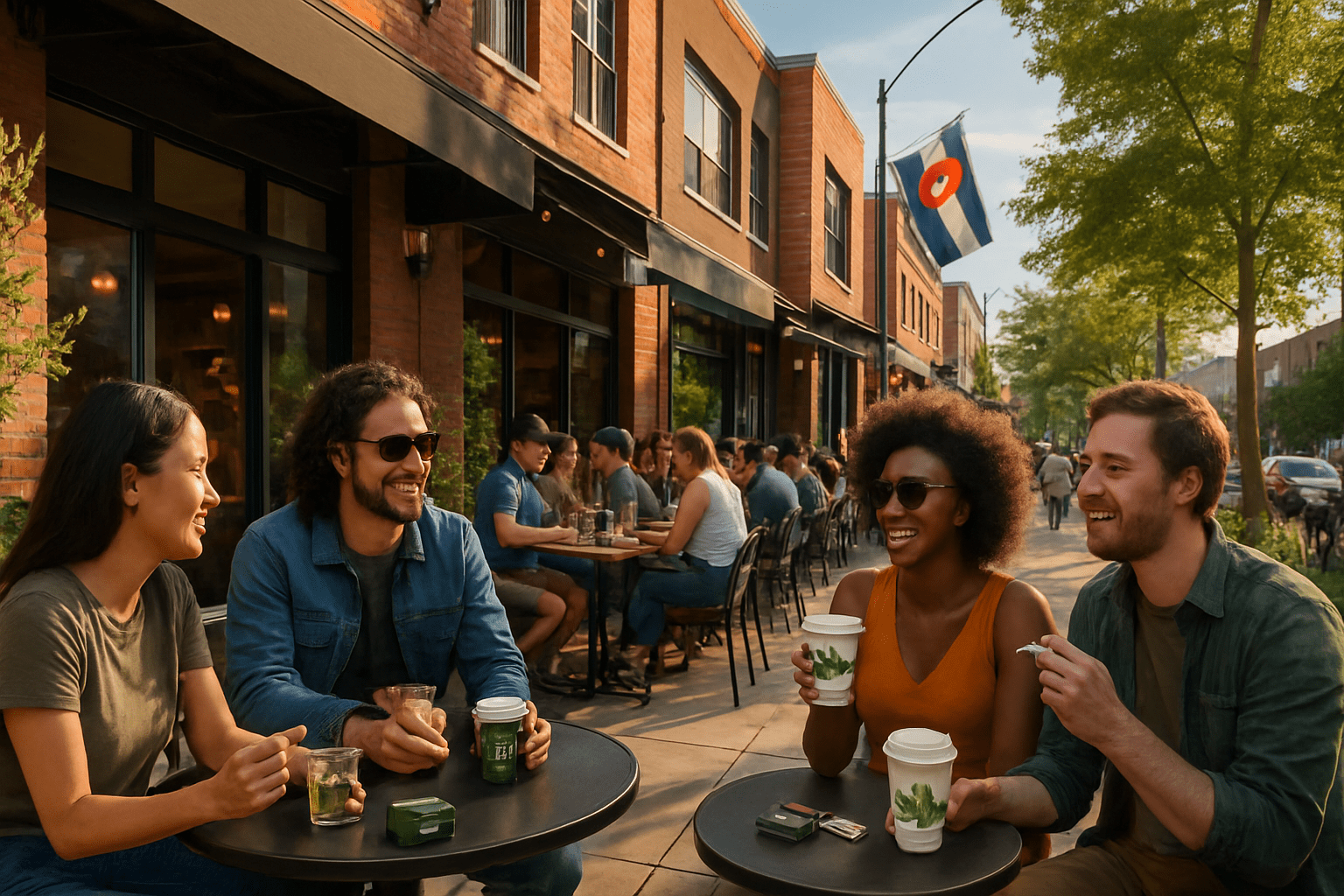
Denver is breaking new ground as the first city in America to authorize public cannabis consumption in venues such as bars, restaurants, galleries, and yoga studios. This forward-thinking approach addresses a crucial question in the cannabis legalization landscape: where can consumers legally enjoy their marijuana in social settings? While Colorado has been a leader in cannabis legalization for years, the absence of designated consumption spaces left many in the cannabis culture without a safe, communal environment to enjoy marijuana outside their homes. The approval of this novel program reflects Denver’s commitment to innovation and social inclusion, setting a precedent for other states and cities around the country.
After nearly three years of full legalization, Colorado lawmakers have progressively adapted cannabis legislation to balance the interests of smokers and non-smokers, businesses, and public health. Denver draws a massive influx of tourists eager to experience the city’s renowned cannabis culture, yet the city historically lacked suitable venues where marijuana use could be openly enjoyed. With public smoking bans in place and non-smoking policies in hotels, consumers were often confined to private residences, which limited the social dimension of cannabis use.
In response, city authorities introduced the “Neighborhood-Supported Cannabis Consumption Pilot Program” (NSCCPP) during the recent presidential election. This community-backed initiative received narrow approval with 53% of the votes after a prolonged recount, demonstrating how entwined cannabis legalization is with local civic dynamics. NSCCPP enables cannabis cafes—social venues dedicated to marijuana consumption—to operate legally, provided they gain neighborhood approval. These venues allow patrons to bring their own cannabis and consume it responsibly in designated indoor or outdoor spaces. Although far from the Amsterdam-style coffeeshops, these establishments represent a significant shift in America’s cannabis culture.
Kayvan S.T. Khalatbari, who championed the NSCCPP, highlighted how the program aims to foster social connectivity among cannabis users, much like traditional alcohol consumers do in bars. Still, opposition exists from anti-pot groups concerned about youth exposure and public health, especially regarding alcohol and marijuana co-use. Denver’s government maintains that regulating consumption venues rather than banning public use entirely is a safer and more pragmatic approach.
As Denver pioneers this initiative, the nation is watching closely. The following sections explore the legislative nuances, social implications, business models, and community responses shaping the future of America’s first cannabis cafés.
How Denver’s Cannabis Cafés Are Setting the Standard for Public Marijuana Use
The legalization of cannabis cafés in Denver is a carefully calibrated innovation designed to balance public health, social norms, and business interests. Unlike traditional bars where alcohol is served and consumed openly, cannabis cafés operate under a unique regulatory framework that differentiates consumption modes and product sales.
Key features of these cafés include:
- Consumption Only: Patrons must bring cannabis purchased elsewhere the same day; the cafés are prohibited from selling marijuana products themselves.
- Consumption Methods: Smoking joints inside the venue is not allowed, but vaping and edible consumption are permitted indoors. Smoking is restricted to designated outdoor terraces.
- Alcohol and Cannabis Co-Consumption: The cafés can sell alcoholic beverages, providing spaces for dual consumption under strict separation rules.
- Neighborhood Approval: Each cannabis café requires local neighborhood consent before opening to ensure community support and address residents’ concerns.
The implementation of these guidelines is innovative in its attempt to accommodate diverse preferences within Denver’s expanding cannabis culture while mitigating risks associated with combining cannabis and alcohol or exposing minors to consumption.
Below is a table summarizing the pivotal regulations governing cannabis cafés in Denver:
| Aspect | Regulation | Rationale |
|---|---|---|
| Sales of Cannabis | Prohibited within the venue | Prevent direct sales to avoid legal complications; cannabis must be purchased off-site |
| Consumption Methods Allowed | Vaping and edibles indoors; smoking only outdoors | Limit indoor smoke; accommodate different user preferences safely |
| Alcohol Sales | Permitted alongside cannabis consumption | Support integrated social experiences with regulated controls |
| Neighborhood Approval | Mandatory prior to opening | Ensure community involvement and minimize opposition |
This model’s success is crucial, as it could pave the way for other cities and states contemplating similar legal frameworks. Early feedback suggests that these rules maintain a balance between innovation and responsibility, aligning with Denver’s reputation as a pioneering hub in cannabis legalization. More states, like Massachusetts, are exploring social consumption regulations following similar blueprints, signaling a nationwide trend.
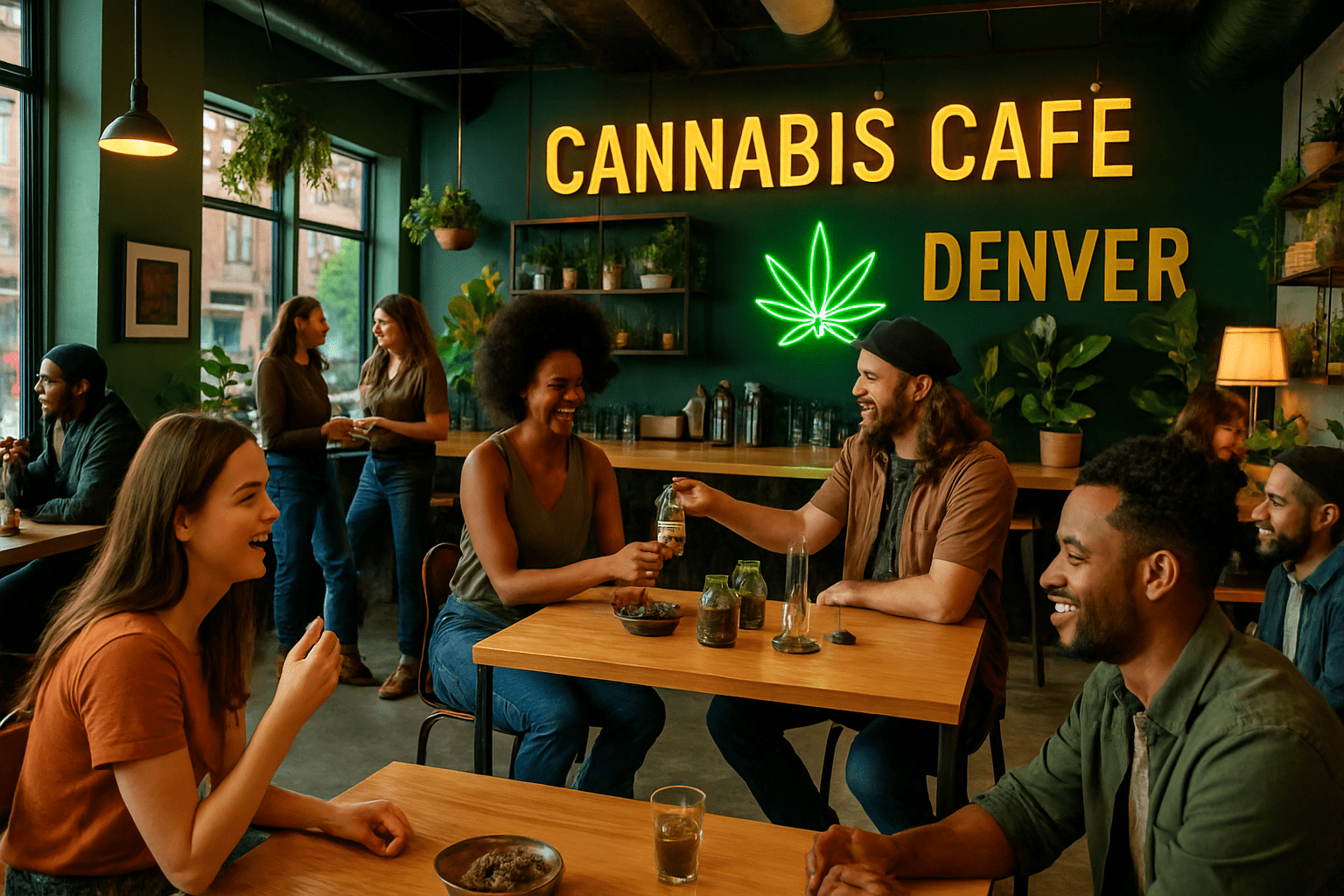
The Social and Cultural Impact of Public Cannabis Consumption in Denver
Denver’s decision to introduce cannabis cafés carries profound social implications that resonate throughout the community and nationwide cannabis culture. The longstanding stigma around marijuana use is being challenged by creating venues where cannabis consumption is normalized and integrated into social life.
Key social impacts include:
- Creating Communal Spaces: Cannabis cafés foster environments where users can socialize without feeling marginalized or hidden, paralleling the social role of traditional alcohol bars.
- Reducing Public Consumption Elsewhere: By providing legal, hygienic, and controlled locations, Denver aims to reduce unsanctioned smoking in streets and public areas.
- Shaping Public Perception: Visibility of regulated public consumption can help shift perceptions from viewing cannabis use as a taboo or criminal activity to a normalized social behavior.
- Potential Challenges: Concerns remain about exposure to minors, mixed substance use, and neighborhood disturbances, which require ongoing community engagement and regulatory adaptation.
The city’s approach reflects a desire to harmonize cannabis culture with Denver’s diverse population and neighborhoods. Notably, the NSCCPP mandates local community approval for each site, encouraging participatory governance and addressing specific local needs or fears.
Internationally, Denver’s move parallels cannabis-friendly destinations known for their progressive cannabis cultures. Cities like Amsterdam have long embraced cannabis cafés, though Denver’s model adapts these concepts to the legal and cultural realities of the United States. More information about global cannabis tourism and social venues is available in explorations of cannabis-friendly destinations worldwide.
| Social Aspect | Potential Benefit | Considerations |
|---|---|---|
| Community Engagement | Empowers locals to shape cannabis policies | May limit venue openings in conservative neighborhoods |
| Normalization | Reduces stigma and increases acceptance | Requires ongoing public education |
| Public Safety | Regulated spaces reduce street consumption | Enforcement of consumption rules critical |
| Youth Protection | Limit youth exposure through controlled venues | Continuous monitoring and proactive measures needed |
Business Innovation and Economic Opportunities in Denver’s Cannabis Café Scene
The legalization of on-site cannabis consumption opens fresh avenues for business innovation and economic growth in Denver. Entrepreneurs are quickly recognizing the potential for unique hospitality concepts combining food, drink, and cannabis culture.
Key business features driving innovation include:
- Hybrid Models: Integration of coffee shops, cocktail bars, and cannabis consumption lounges tailored to different consumer preferences.
- Event and Educational Activities: Venues hosting cannabis-focused events, tastings, and classes to enhance consumer knowledge and engagement.
- Tourism Boost: Drawing cannabis tourists eager for novel social consumption experiences, complementing Denver’s already booming cannabis tourism sector.
- Employment Opportunities: Growth in jobs ranging from hospitality staff to cannabis educators and compliance specialists.
One of the first establishments, the Coffee Joint, illustrates the potential socioeconomic benefits. By offering a legal social space for marijuana consumption, it not only attracts locals but also increases tourist revenue. Moreover, such venues bolster local tax incomes without increasing illicit trade.
| Business Aspect | Opportunity | Challenges |
|---|---|---|
| Customer Experience | Enhance social cannabis use | Strict regulation limits product sales |
| Regulatory Compliance | Models for future legislation | Complex licensing and neighborhood approval |
| Tourism & Growth | Attracts national and international visitors | Requires marketing and infrastructure investment |
| Employment | Creates new job sectors | Training and workforce development needed |
Looking beyond Denver, Australia’s ongoing debates on marijuana legalization highlight international challenges faced by countries deciding how to integrate cannabis into regulated frameworks, underscoring Denver’s pioneering role in the global marijuana market.
Addressing Public Health and Safety Concerns in Cannabis Consumption Venues
As cannabis cafés open their doors, public health and safety concerns have sparked discussions among policymakers, public health experts, and local residents. Ensuring these venues operate without adverse effects on well-being and community safety is a top priority.
Some critical considerations and responses include:
- Alcohol and Cannabis Mixing: Policies mandate clear separation of alcohol consumption and cannabis smoking areas to prevent over-intoxication and impaired behaviors.
- Youth Exposure: Venue licenses enforce strict age restrictions and surveillance to keep young people from exposure or access.
- Secondhand Smoke: Smoking is prohibited indoors, with designated outdoor zones, decreasing indoor air quality risks.
- Education: Venues often provide educational materials about responsible consumption and health effects.
- Law Enforcement Coordination: Collaboration between businesses and police ensures compliance and swift action on violations.
Denver’s regulatory approach prioritizes harm reduction while embracing the reality of legalized cannabis culture. Continuous data collection on social impacts and health outcomes will inform future amendments to the NSCCPP.
| Health & Safety Aspect | Measures | Expected Impact |
|---|---|---|
| Consumption Separation | Indoor vaping/edibles; outdoor smoking areas | Reduced secondhand smoke and intoxication risk |
| Age Restrictions | Verification and enforcement | Youth protection |
| Public Awareness | Educational programs and signage | Informed responsible consumption |
| Law Enforcement | Regular checks and community liaison | Compliance assurance and rapid response |
These strategies represent a blueprint for other jurisdictions grappling with similar public health concerns. Regions like Massachusetts have adopted guidelines for social consumption venues that echo Denver’s cautionary focus.
The Future of Cannabis Consumption Spaces: Lessons From Denver’s Trailblazing Effort
Denver’s groundbreaking legalization of cannabis cafés offers invaluable lessons for the broader American cannabis landscape and the international community observing these developments. This pioneering effort encapsulates the complex trade-offs involved in integrating marijuana into public social culture.
- Community-Based Approvals: Ground-up consent mechanisms ensure venues reflect neighborhood values and limits.
- Regulatory Flexibility: The phased pilot nature of the NSCCPP allows laws to evolve with experience and feedback.
- Balancing Rewards and Risks: Encouraging innovation in social consumption while actively managing health and safety concerns.
- Educational Emphasis: Highlighting the importance of consumer awareness around cannabis effects and responsible use.
Denver’s approach remains a case study in how to shepherd a cultural shift responsibly. As more states consider following suit, the lessons learned in Denver will inform policies and public perception nationwide. For those interested in the vibrant cannabis nightlife and the cultural evolution around these new venues, a useful guide is available detailing what to expect and where to go within this emerging space.
| Topic | Lesson | Implication |
|---|---|---|
| Neighborhood Engagement | Essential for legitimacy and acceptance | Models can be adapted nationwide |
| Policy Adaptation | Flexibility fosters continuous improvement | Responsible legalization models |
| Economic Impact | New hospitality niches boost local economies | Potential job creation and tax revenue |
| Public Health Focus | Preemptive education and regulation reduce risks | Framework for safer cannabis culture |
As cannabis legalization continues to evolve, Denver’s pioneering cannabis cafés represent a significant chapter in integrating marijuana into public social life, broadening the reach of cannabis culture and redefining social norms in America’s legalization journey.


Post Comment