U.S. Firm to Cultivate Medical Cannabis in Romania

The recent announcement that a U.S. firm plans to cultivate medical cannabis in Romania marks a significant development in the expanding global cannabis industry. This venture, led by PHI Group, a U.S.-based investment fund specializing in natural resources and agriculture, targets the Transylvania region to establish an extensive cultivation and wellness operation. The initiative reflects evolving attitudes about medical marijuana and pharmaceutical cannabis within Eastern Europe and promises to bridge gaps between the American and Romanian cannabis markets. The project is part of a broader trend where companies seek to leverage Romania’s favorable climate and regulatory environment to produce high-value medicinal herbs and tap into the emerging medical cannabis market.
PHI Group’s strategy involves not only the cultivation of medical cannabis but also other medicinal plants such as ganoderma mushrooms, bitter cucumber, and saffron, aiming for a diverse portfolio of organic, high-priced botanicals. The firm has partnered with local Romanian enterprises to reinforce its foothold, notably acquiring a majority stake in Maxagro, a domestic agricultural company. With ambitions to generate substantial revenue—estimated around $150 million—the project is set to contribute significantly to both regional economic development and the growing U.S.-Romania partnership in healthcare and agribusiness sectors.
This movement also comes amidst a legal landscape in Romania where medical cannabis has been permitted under specific conditions since 2013, though the market has remained underdeveloped with no domestic pharmaceutical cannabis production until now. PHI Group’s entry seeks to fill that void, potentially changing how medical marijuana is cultivated, processed, and distributed. Supported by both local and central government encouragement, as well as eligibility for European Union green funds, the venture serves as a model of sustainable and innovative agricultural investment in the region.
Strategic Development of Medical Cannabis Cultivation in Romania
Medical cannabis cultivation by a U.S. firm in Romania highlights the strategic and economic potential of this burgeoning sector. PHI Group’s plan to develop large-scale cultivation facilities in Transylvania demonstrates a keen understanding of Romania’s agricultural advantages and favorable legal environment for medical marijuana.
The firm intends to focus on organic, medicinal plants that not only serve healthcare needs but also command higher market prices. Their cultivation portfolio includes:
- Medical cannabis and its pharmaceutical derivatives
- Ganoderma mushrooms, known for immunomodulatory benefits
- Bitter cucumber, used in various traditional medicines
- Safran (saffron), a highly valuable medicinal herb
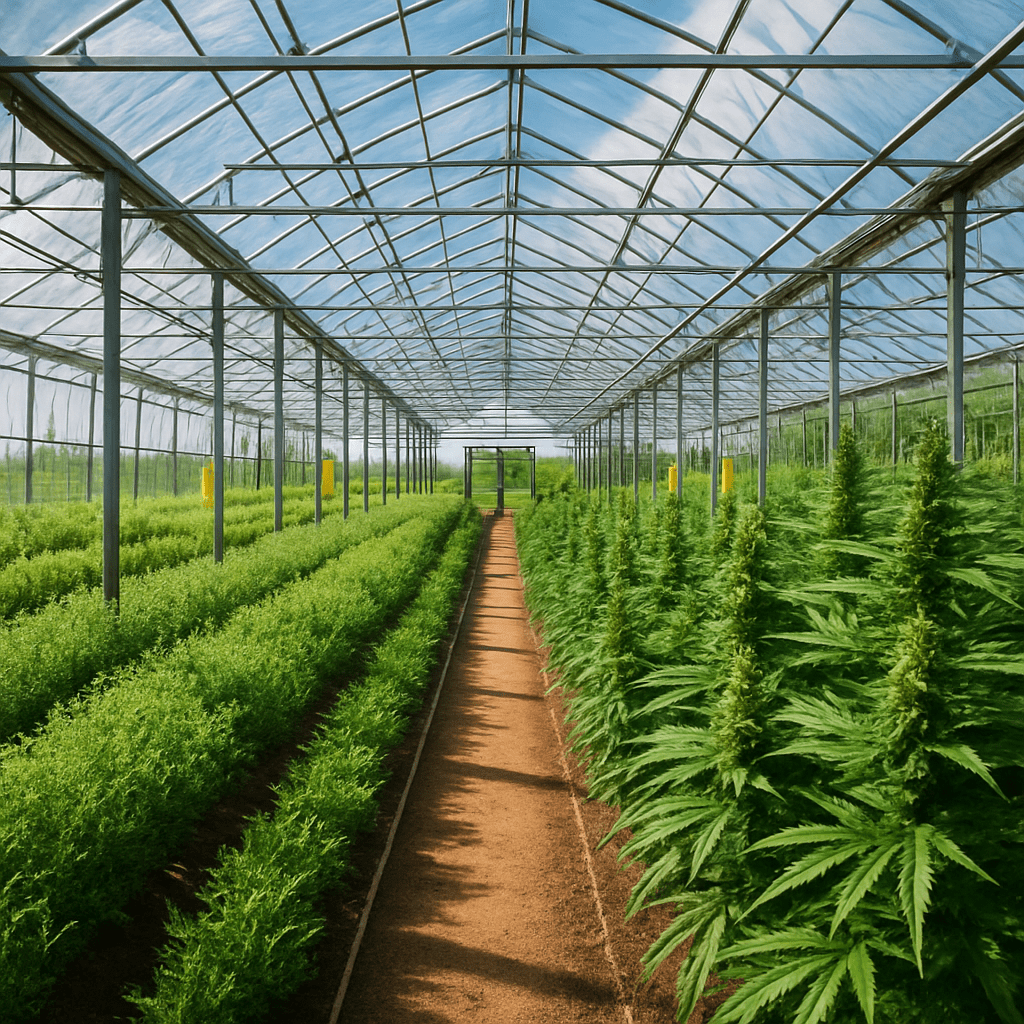
By integrating these into greenhouse operations, PHI aims to optimize cultivation conditions and yields while maintaining organic standards. This approach underlines the company’s emphasis on producing quality, pharmaceutical-grade cannabis and other botanicals suited to both medicinal and wellness markets.
The partnership with Romania’s Maxagro agricultural company—of which PHI now owns 51%—provides vital local expertise and infrastructure. It also streamlines production and distribution, aligning with PHI’s aspirations to supply medicinal cannabis products to international markets, including the U.S. and Europe. Leveraging Romania’s already substantial experience in hemp production, supported by previous foreign investments like HempFlax’s €5 million project, the U.S.-Romania collaboration is uniquely positioned to expand the medical cannabis output efficiently.
| Aspect | Details |
|---|---|
| Location | Transylvania, Romania |
| Key Crops | Medical cannabis, ganoderma, bitter cucumber, saffron |
| Local Partner | Maxagro (51% ownership) |
| Revenue Forecast | Approximately $150 million (projected for 2019) |
| EU Funding Eligibility | Yes, through green project grants |
This venture sets a precedent for international cannabis cultivation partnerships, with PHI highlighting the synergies possible between U.S. investment expertise and Romanian agricultural tradition. The focus on pharmaceutical cannabis aligns with growing global demand for regulated, high-quality medical marijuana products, as demonstrated by trends in countries like Australia and New Zealand.
The Romanian Medical Cannabis Market and Legal Landscape
Romania’s medical cannabis market remains at a nascent stage despite legal frameworks permitting its use since 2013. The regulatory environment allows medical marijuana in the form of pharmaceutical cannabis, including derivatives such as tinctures, extracts, and cannabis resin. However, no domestic production of cannabis-based medicine had been conducted until the entry of PHI Group.
Medical cannabis is indicated in Romania for treating chronic pain in cancer patients, epilepsy, and multiple sclerosis, reflecting global therapeutic standards. Despite legalization for medical purposes, market access for patients remained limited due to the absence of local producers and complex import regulations.
Key factors defining the Romanian medical cannabis market include:
- Legal status permitting only pharmaceutical derivatives for medical use
- No previous applications for commercial medical cannabis cultivation or distribution until 2025
- Existing industrial hemp cultivation thrives with foreign investment support
- A government open to green agricultural projects supported by EU funds
Romania’s approach contrasts with other countries advancing cannabis distribution rapidly, such as those described in recent Congress discussions about protecting and expanding medical cannabis use in the U.S. The new venture by PHI could thereby position Romania as an eastern European hub, offering pharmaceutical-grade cannabis products to underserved regional markets.
| Market Feature | Details |
|---|---|
| Legal Medical Cannabis | Pharmaceutical derivatives only (tinctures, resin, extracts) |
| Major Indications | Chronic pain, epilepsy, multiple sclerosis |
| Local Production | None prior to PHI Group’s project |
| Industrial Hemp Growth | Active cultivation supported by foreign investment |
| Market Potential | High, with expanded patient access under policies |
Romania’s medical cannabis market development will likely benefit from ongoing global discussions about patient and physician perspectives, as seen in reports exploring how chronic pain treatments align with cannabis policies worldwide. The emergence of a domestic pharmaceutical cannabis supply chain could also alleviate import dependence and reduce costs for Romanian patients.
Integration of Wellness and Holistic Treatments Alongside Medical Cannabis
Beyond medical cannabis cultivation, PHI Group envisions a comprehensive wellness ecosystem featuring holistic treatment centers in Transylvania. This ambitious plan aims to attract individuals seeking natural therapies integrated with traditional medicinal cannabis approaches.
The wellness center concept focuses on a synergistic approach combining cannabis-based pharmaceuticals with other organic, medicinal herbs such as ganoderma mushrooms and saffron. These plants have been historically valued for their health benefits, including anti-inflammatory, immune-boosting, and antioxidant properties.
By developing holistic wellness programs, the company intends to leverage:
- Natural plant-based therapies combining traditional and modern approaches
- Integrated healthcare that appeals to a wider patient demographic
- Eco-friendly and organic practices supporting green tourism
- Health education campaigns to destigmatize medical cannabis use
This wellness-centric model highlights the growing trend in the cannabis industry to encompass health beyond symptom management, addressing holistic well-being. The strategic choice of Transylvania, a region ripe with natural biodiversity and moderate climates, supports year-round cultivation and wellness activity development.
| Wellness Center Features | Description |
|---|---|
| Core Services | Cannabis-based treatments, herbal therapies, natural wellness programs |
| Target Audience | Patients and individuals seeking natural, holistic health solutions |
| Environmental Focus | Eco-friendly, organic cultivation and green certification |
| Marketing Strategy | Education, de-stigmatization, Europe and U.S. outreach |
PHI Group’s wellness project aligns well with increasing global acceptance of complementary medicine, which reinforces medical cannabis as part of a broader health strategy for chronic conditions. This initiative exemplifies how cannabis cultivation can actively support holistic healthcare and wellness tourism development, positively impacting the local economy and patient quality of life alike.
U.S.-Romania Partnership: A Model for International Cannabis Industry Collaboration
The collaboration between PHI Group and Romanian entities represents a pioneering model of U.S.-Romania partnership in the cannabis industry. This cross-border cooperation leverages investment capital, technical expertise, and emerging legal frameworks to establish a competitive pharmaceutical cannabis operation.
Several factors contribute to this successful international partnership:
- Strategic investment: PHI Group’s acquisition of Maxagro gives direct control over local agribusiness operations, ensuring smooth integration.
- Knowledge exchange: Sharing of cultivation techniques, quality assurance, and pharmaceutical development expertise stabilizes production standards.
- Regulatory navigation: Close cooperation with Romanian authorities supports compliance with national and EU regulations, enabling access to funding.
- Distribution platforms: Plans to utilize a longstanding Romanian medical supplier as a distribution hub for European and Middle Eastern markets demonstrate foresight in supply chain management.
This bilateral cooperation also positions Romania as a gateway for U.S. companies eager to enter the European medical cannabis market, a region with growing acceptance but often limited domestic cultivation capacity. The scenario resembles broader global trends, such as Australia’s expanding cannabis export activities or regulatory developments in New Zealand, underscoring the interconnected nature of the international cannabis industry.
| Partnership Dimensions | Details |
|---|---|
| Investment Model | Majority stake acquisition in a Romanian agricultural firm |
| Technical Collaboration | Shared expertise in cultivation and pharmaceutical cannabis production |
| Regulatory Alignment | Compliance with Romanian and EU regulations; access to green funding |
| Distribution | Use of existing Romanian medical supply platforms for EU and Middle East markets |
This partnership blueprint may inspire other U.S. firms seeking to expand into Europe’s medical cannabis industry, capitalizing on missing domestic cultivation capacities and the increasing demand for high-quality pharmaceutical cannabis products. For further insights on expanding U.S. companies’ strategies, visit this article about how U.S. cannabis companies can expand into Europe.
Economic and Social Implications of Cultivating Medical Cannabis in Romania
Beyond agriculture and healthcare, the establishment of medical cannabis cultivation by a U.S. firm in Romania triggers profound economic and social effects. The projected $150 million revenue underlines the significant commercial potential but also emphasizes job creation, rural development, and integration of Romania into the high-growth global cannabis industry.
Key economic impacts to consider include:
- Creation of direct and indirect employment opportunities in agriculture, processing, and distribution
- Stimulating rural economies that benefit from agricultural innovation and infrastructure investments
- Enhancement of Romania’s export portfolio with high-value, pharmaceutical-grade products
- Attraction of further foreign direct investment into Romania’s cannabis and wellness sectors
Socially, the project may help shift public perceptions about cannabis, normalizing its use in medical contexts and encouraging policy advancements. Increasing availability of domestic medical marijuana can improve patient access, reduce reliance on imports, and foster research into novel therapies.
| Impact Area | Potential Effects |
|---|---|
| Employment | New jobs in cultivation, research, facility management, and wellness centers |
| Economic Growth | Multi-million dollar revenues and broader rural development |
| Healthcare Access | Expanded availability of pharmaceutical cannabis products for patients |
| Public Perception | Improved awareness and de-stigmatization of medical marijuana use |
As observed in other markets, such as Texas where legislative proposals aim to advance medical cannabis programs, Romania stands to benefit from embracing comprehensive cannabis industry growth while maintaining responsible regulatory frameworks. The initiative may also inspire European neighbors, contributing to the continent’s overall medical cannabis market expansion.


Post Comment