U.S. Lawmakers Propose Legislation to Prevent Federal Crackdown on Cannabis

In the evolving landscape of cannabis legalization across the United States, federal hesitation continues to inject uncertainty into the progress made by numerous states. In response, U.S. lawmakers are taking proactive steps to safeguard state-level cannabis initiatives and protect consumers from abrupt federal enforcement actions. This recent wave of legislative proposals aims to fortify state sovereignty in marijuana policy, quell fears of federal crackdowns, and provide a clearer regulatory framework that encourages responsible industrial growth and individual use under state laws.
Amidst this ongoing tension, the so-called “Restraining Excessive Federal Enforcement & Regulations of Cannabis Act” (REFER Act) has surfaced as a significant bill championed by influential members of Congress. This legislation seeks to concretely prevent federal authorities from diverting taxpayer money towards prosecuting cannabis activities compliant with state and local regulations. With backing from lawmakers across multiple states, the bill is emblematic of a broader push toward drug reform and regulatory protection geared toward the cannabis industry, signaling a shift in how federal laws may adapt to the realities of legalization on the ground.
As U.S. Congress continues to navigate complex marijuana policies, the REFER Act highlights key debates around the balance between federal oversight and state autonomy. Simultaneously, it underscores how lawmakers perceive the urgency of preempting any federal crackdown that could undermine burgeoning cannabis markets. These developments have far-reaching implications not only for commerce and law enforcement but also for social justice issues and ongoing efforts to harmonize cannabis regulations nationwide.
Legislation Aimed at Preventing Federal Crackdown: The REFER Act’s Core Provisions
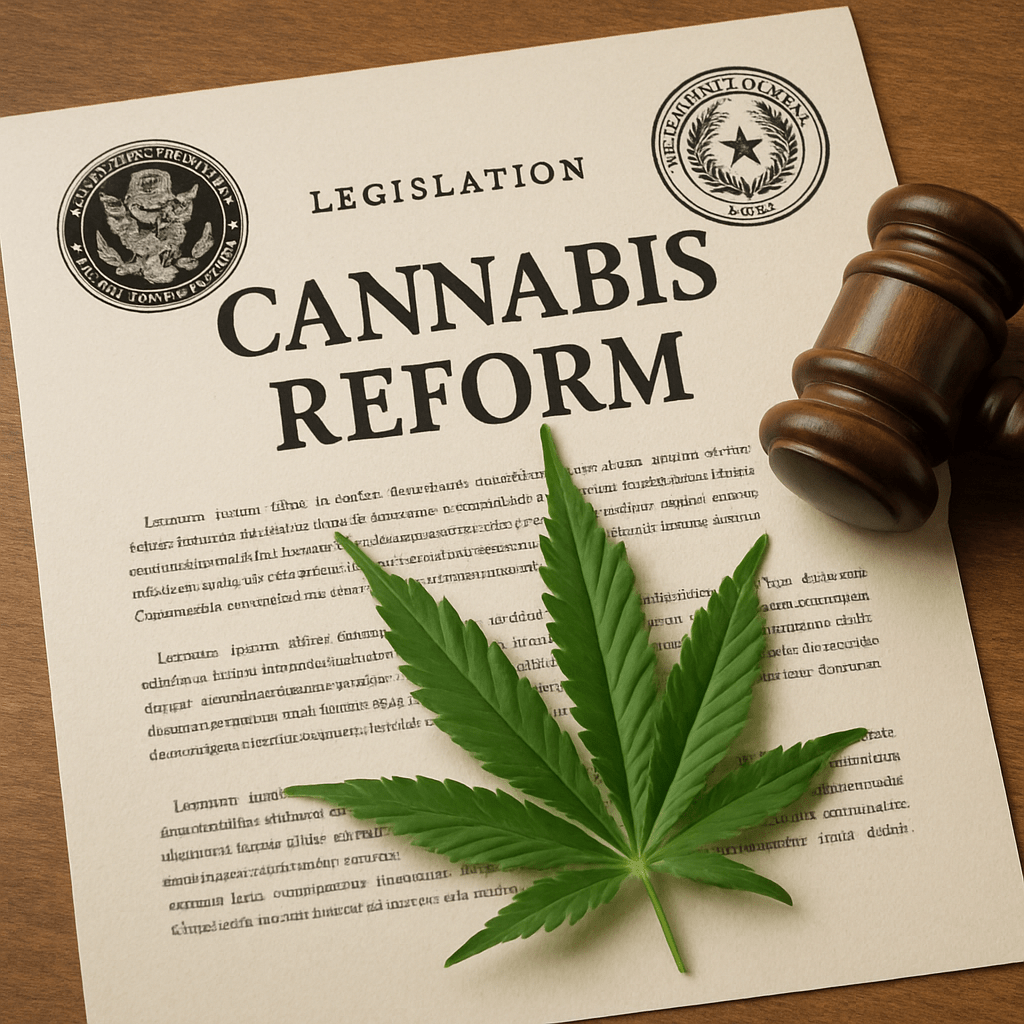
The REFER Act stands as a critical piece of proposed legislation introduced by Representative Barbara Lee of California. Designed to insulate states and consumers from unpredictable federal enforcement, this bill addresses three fundamental aspects of cannabis policy under the federal framework.
First and foremost, the act forbids the Department of Justice (DOJ) from using federal funds to interfere with state or local governments that allow cannabis consumption, distribution, possession, or cultivation under their own laws. This provision effectively blocks federal pressure tactics aimed at halting or reverting state legalizations.
Second, it prohibits the use of taxpayer dollars to detain, prosecute, convict, or initiate legal actions against individuals, businesses, or properties engaged in cannabis activities conforming to state and local laws. This move seeks to provide judicial security to the cannabis community, reducing the risks that entrepreneurs and consumers face solely due to federal prohibition.
Finally, the REFER Act safeguards financial institutions interacting with the cannabis sector. It protects banks and other lenders from federal lawsuits simply because they handle money derived from legal cannabis businesses. This aspect aims to resolve long-standing issues around banking access, which historically hindered the cannabis industry’s growth and operational efficiency.
Support for this legislation comes from a bipartisan coalition including Oregon’s Earl Blumenauer, known for spearheading cannabis legalization, Nevada’s Dina Titus, and Colorado’s Jared Polis. With diverse advocates from cannabis-friendly states, this bill represents a consolidated effort to secure robust regulatory protection against potential federal pushback.
- Stop DOJ interference with state cannabis laws using federal funds
- Prohibit prosecution of state-compliant cannabis activities
- Provide financial institutions immunity from federal cannabis money lawsuits
| Provision | Description | Effect on Cannabis Industry |
|---|---|---|
| Prevent DOJ Funding for Interference | Prohibits use of federal funds to obstruct state/local cannabis laws | Ensures continuity and protection for state legalization efforts |
| Ban Prosecution of Legal Cannabis Entities | Restricts federal prosecution of compliant individuals and businesses | Boosts confidence for entrepreneurs and consumers in the industry |
| Protect Financial Institutions | Provides immunity to banks handling cannabis-related funds | Facilitates industry growth through access to financial services |
Understanding these provisions helps stakeholders anticipate how the REFER Act could change the dynamics between federal laws and marijuana policy. This shift reflects increased momentum toward drug reform aimed at reducing federal overreach and fostering more cooperative federalism.
Historical Federal Enforcement and the Urgency of Legislative Protection
Federal cannabis policy historically centers around the Controlled Substances Act (CSA), which classifies marijuana as a Schedule I drug, implying a high potential for abuse without recognized medical purpose. This federal stance sets the backdrop for volatility in enforcement, as policies have swung dramatically depending on the administration’s priorities.
During the early 2010s, several states began legalizing marijuana for medical and recreational use, creating a patchwork of laws that conflicted with federal prohibition. While the 2018 Farm Bill decriminalized hemp and clarified some definitions, it left many THC-containing products under federal scrutiny.
The unpredictability became pronounced under figures like former Attorney General Jeff Sessions, who sought to intensify federal crackdowns against cannabis operations, despite growing state-level legalization. This inconsistency fostered reluctance among investors, hindered access for consumers, and created legal uncertainties for businesses.
The REFER Act and similar legislative efforts intend to correct this unpredictability by establishing federal funding restrictions for enforcement against compliant cannabis activities. Lawmakers argue that a stable legal environment not only benefits industry participants but also respects the will of states that have embraced legalization. Such regulatory protection is crucial for maintaining momentum in federal and state drug reform initiatives.
- Federal Schedule I classification causes enforcement discrepancies
- State-by-state legalization contrasts with inconsistent federal policy
- Prior crackdowns impacted business growth and consumer access
- Legislation like REFER seeks to harmonize enforcement and protect states
| Timeframe | Federal Policy Trend | State Legalization Impact | Legislative Response |
|---|---|---|---|
| Pre-2014 | Strict enforcement, Schedule I status | Few medical cannabis laws | Little federal pushback or support |
| 2014-2018 | Emerging leniency with Ogden Memo, Cole Memo | Rapid state legalization increases | Farm Bill decriminalizes hemp |
| 2018-2022 | Crackdowns resume under Sessions | Expanding recreational markets | Growing calls for legislative protection |
| 2023-2025 | Variable enforcement; congressional bills like REFER | More states legalizing; enhanced regulatory protections | Push for federal funding restrictions on enforcement |
To explore more on how cannabis laws have evolved historically and what the future holds, visit this detailed look at legalization trends.
Federal and State Interactions in Cannabis Legalization: Cooperative Federalism Tested
The dynamic between federal marijuana policy and state legalization efforts presents a complex interplay often described as cooperative federalism. While states move forward with legalization, federal law remains unchanged, setting up a legal paradox that invites conflict and necessitates thoughtful legislative approaches.
The REFER Act proposes a model that respects state autonomy by limiting federal interference, yet federal laws currently classify marijuana as illegal. This constitutional complexity fosters debates about how states can effectively operate their cannabis markets without federal impediments, especially when the Justice Department could ostensibly pursue crackdowns.
States that legalize cannabis face numerous challenges, including financial restrictions, law enforcement policy differences, and banking limitations. The bipartisan nature of the REFER Act signals recognition within Congress that a uniform federal approach is no longer practical or politically feasible. Instead, legislative proposals focus on reinforcing state sovereignty by curbing federal enforcement funding in cannabis matters compliant with state laws.
- Federal laws keep marijuana illegal despite state legalization
- Cooperative federalism aims to find balance between authorities
- Financial and regulatory challenges persist for state cannabis programs
- Legislation like the REFER Act represents federal acknowledgment of state rights
| Aspect | Federal Law | State Law | Legislative Proposal Role |
|---|---|---|---|
| Marijuana Status | Schedule I Narcotic, illegal | Medical and recreational legal in many states | Protect state laws from federal interference |
| Enforcement | Federal prosecutions possible | States regulate local cannabis activities | Limit DOJ funding for enforcement |
| Banking | Financial institutions face legal risks | State-licensed businesses needing banking access | Shield banks from lawsuits |
For a regional perspective on how states converge or differ on cannabis legislation, check out this example of Pennsylvania’s recent legislative alignment efforts.
Challenges in Achieving Comprehensive Drug Reform Amid Federal Restrictions
Despite the growing number of states legalizing cannabis, achieving consistent drug reform at the federal level remains a complicated endeavor. There exists a disconnect between state policies that promote legalization and federal attitudes that often cling to prohibitionist statutes and classifications.
This discord manifests in difficulties accessing banking and credit for cannabis businesses, regulatory compliance burdens, and legal risks such as potential federal raids. Even seasoned entrepreneurs face challenges navigating a system where federal laws have yet to catch up to state legislative realities.
The REFER Act symbolizes a legislative attempt to bridge this divide by forbidding federal use of funds for enforcement against activities compliant with state laws, thus encouraging wider acceptance of legalization while dampening the federal crackdown threat. However, drug reform advocates recognize that broader efforts like rescheduling marijuana under the Controlled Substances Act or outright descheduling are still essential to long-term progress.
- Federal laws limit access to banking and credit for cannabis businesses
- Regulatory compliance creates operational challenges across states
- Legal risks from federal enforcement persist despite state legalization
- Legislation like the REFER Act mitigates enforcement risks but doesn’t resolve classification issues
| Challenge | Description | Current Efforts | Needed Reforms |
|---|---|---|---|
| Banking Access | Banks avoid cannabis money due to federal laws | Financial protections under REFER Act | Federal legalization or banking reform |
| Legal Risks | Threat of federal prosecution despite legality in states | Prohibition of DOJ fund use for prosecutions | Rescheduling or descheduling marijuana |
| Regulatory Compliance | Varied state laws create challenges operating across borders | State-based regulatory frameworks | Unified federal regulatory standards |
For more insights into federal challenges facing cannabis regulation, visit this analysis on congressional efforts to protect cannabis laws.
Anticipating the Future: Legislative Outlook and Industry Impact
The REFER Act and related proposals illuminate how U.S. lawmakers are increasingly prioritizing regulatory protection to ensure the cannabis industry’s sustainability amidst fluctuating federal stances. While the bill must still navigate congressional passage, it represents a strategic move to limit federal intervention and secure state authority in marijuana policy decisions.
For businesses and consumers, these legislative efforts promise greater stability and confidence. The protection of financial institutions will enable cannabis enterprises to grow economically sound operations, recruit banking partners, and expand legal commerce. Residents in legal states can expect enhanced safeguards against federal prosecution risks, encouraging normalized access and use.
Furthermore, the REFER Act’s success could inspire a web of similar initiatives promoting cooperative federalism as the preferred model for handling drug reform. Such an approach balances state innovation with federal oversight, minimizing contradictory enforcement and maximizing regulatory clarity.
- Stronger state authority over cannabis laws
- Improved economic viability for cannabis businesses
- Reduced federal prosecution risk for consumers and operators
- Increased momentum for broader drug policy reform
| Stakeholder | Benefit | Potential Outcome |
|---|---|---|
| State Governments | Autonomy in cannabis regulation | More states pursuing legalization policies |
| Cannabis Businesses | Banking access and legal certainty | Expansion and market growth |
| Consumers | Protection from federal prosecution | Increased participation and normalized usage |
| Federal Lawmakers | Legal framework to manage cannabis reform | Cooperative federalism advancements |
For ongoing updates and detailed news on cannabis legislation and its evolving framework across the globe, visit this resource exploring international cannabis market regulations.


Post Comment