Trump Appoints Anti-Cannabis Advocate as Attorney General

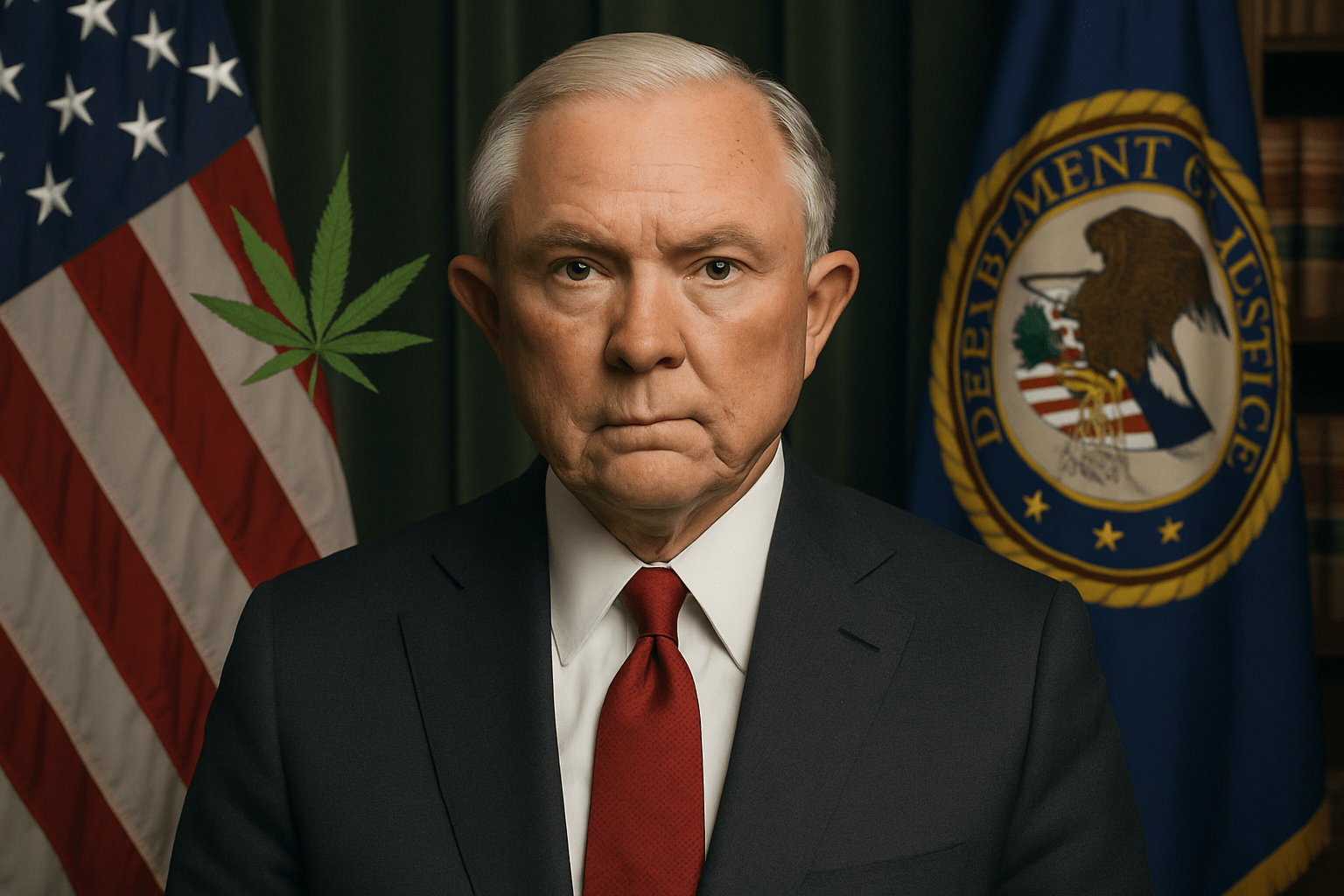
The announcement of Donald Trump’s appointment of Senator Jeff Sessions as the new Attorney General has ignited intense debate across the United States, particularly within the cannabis community and policy advocates. Sessions, known for his staunch opposition to cannabis reform, represents a stark change in the federal government’s stance on marijuana laws. This appointment not only raises serious questions about the future of cannabis legalization efforts but also underscores the complexities of federal versus state regulatory frameworks.
As the nation in 2025 continues to see a patchwork of cannabis policies, with many states embracing legalization and others maintaining prohibition, the role of the Attorney General—head of the Department of Justice and overseer of agencies like the DEA—becomes pivotal in shaping enforcement priorities and legal interpretations. The appointment thus holds significant implications for how cannabis businesses operate, how drug enforcement is conducted, and how legalization trends may evolve under a Trump-led administration guided by an anti-cannabis advocate.
Exploring the intricacies of Sessions’ policy positions, the potential legal battles ahead, and the responses from various stakeholders reveals a landscape marked by uncertainty and activism. Stakeholders across the spectrum, from businesses to medical users, await clarity amid the tension between existing state protections and federal authority.
Jeff Sessions and the Impact of an Anti-Cannabis Stance on Federal Drug Enforcement
Jeff Sessions’ appointment as Attorney General under President Trump signals a decisive shift toward a more stringent federal enforcement stance on cannabis-related offenses. Sessions’ track record reveals a consistent disapproval of cannabis legalization, which he articulated openly during his Senate confirmation hearing. His assertion that “good people don’t smoke marijuana” and his warnings about cannabis serving as a gateway to harder drug use highlight his firm ideological opposition to policy reform.
As Attorney General, Sessions controls critical federal agencies related to drug enforcement, including the Drug Enforcement Administration (DEA). These agencies enforce federal criminal laws involving cannabis, which despite some states allowing medical and recreational use, remains illegal at the federal level. Previous administrations had adopted a more hands-off approach, prioritizing states’ rights and focusing federal efforts on significant criminal activities, thus allowing local cannabis markets to grow cautiously under state regulation.
Sessions’ more aggressive position threatens to reverse this approach. Key implications of his stance include:
- Increase in Federal Raids: Federal authorities may escalate raids on dispensaries and cultivation sites, even in states with legalized cannabis, creating operational uncertainty.
- Crackdown on Cannabis Businesses: Legal cannabis companies might face heightened scrutiny, particularly relating to banking access, taxation, and interstate commerce.
- Enhanced Federal Prosecutions: Prosecutions for cannabis possession or distribution could rise, directly impacting users and small-scale operators who had previously been relatively secure.
These impacts intensify the ongoing conflict between federal drug laws and progressive state policies. To navigate these challenges, cannabis businesses and advocates may need to stay updated on federal guidelines and align their operations closely with evolving regulations. This dynamic is thoroughly analyzed in resources such as Cannabis Regulation: Navigating the Evolving Landscape.
| Agency | Role | Potential Impact Under Sessions |
|---|---|---|
| DEA | Enforcement of controlled substance laws, including cannabis | Increase in enforcement actions against cannabis cultivation and distribution |
| Federal Prosecutors | Lead prosecutions for federal offenses involving drugs | Potential rise in charges for cannabis-related offenses |
| Department of Justice | Policy direction and oversight | Possible reversal of Obama-era guidelines sheltering state-legal cannabis activities |
Sessions’ appointment illustrates how the federal government, under Trump’s leadership, could pivot from cautious pragmatism to a stringent anti-cannabis policy, impacting a broad range of stakeholders.
Federal vs. State Cannabis Policy: Challenges and Legal Conflicts Under Trump
The tension between state legalization and federal prohibition of cannabis has persisted as one of the most convoluted issues in American drug policy. With Sessions at the helm of the Justice Department, this divide risks deepening, presenting legal and practical challenges.
Under existing circumstances, over 30 states have adopted some form of legalized cannabis, either medicinally or recreationally, extensively reshaping local economies and social policy. These state laws often conflict with the federal Controlled Substances Act, which classifies marijuana as a Schedule I substance. This dichotomy creates a precarious legal environment full of uncertainties for individuals and businesses alike.
Sessions’ vocal criticism of state-level legalization efforts has sparked concerns about possible federal interventions overriding state autonomy. His assertion that legalization efforts could escalate usage of cocaine and heroin underscores the administration’s potential willingness to revoke protections for state-licensed cannabis operations.
- Risk of Federal Interference: Increased federal actions could invalidate state-legal cannabis licenses and activities.
- Unpredictable Enforcement Practices: Divergent interpretations of cannabis law may lead to inconsistent enforcement.
- Legal Challenges and Litigation: States and cannabis advocates may resort to legal battles to defend their regulatory rights.
These conflicts are at the core of continuing discussions around cannabis policy reform, deeply examined in analyses like The Implications of Donald Trump’s Presidential Election on Marijuana Legislation Reform.
| Aspect | State Legalization | Federal Prohibition | Potential Conflict Outcomes |
|---|---|---|---|
| Legal Status | Legal to use, sell, and cultivate under state law | Illegal under federal law | Legal ambiguity and risk of prosecution |
| Enforcement Priorities | Regulate and tax cannabis businesses | Combat all cannabis-related activities | Increased raids and criminal charges federally |
| Financial Operations | Access to banking and financial services | Many banks avoid cannabis industry | Business operation constraints and risks |
State governments must continue crafting detailed implementation strategies and seeking safeguards to protect their jurisdictions and constituents. The role of reporting offices such as New York State’s Cannabis Management Office offers key insights, as detailed in New York State’s Cannabis Management Office Unveils Report on Implementing the Marihuana Regulation and Taxation Act (MRTA).
Implications of Anti-Cannabis Policies on Medical Marijuana and Patient Care
Jeff Sessions’ opposition to the legalization and minimization of cannabis also carries troubling implications for the medical marijuana community. Medical cannabis, used for conditions such as chronic pain, nausea relief, and epilepsy, has garnered bipartisan support despite traditional federal resistance.
Patients and healthcare providers rely on state-legal access points for cannabis to manage symptoms where conventional medicines fall short. However, Sessions’ vocal disapproval threatens the stability of these access systems. An increased federal crackdown could impact availability and research in several ways:
- Restricted Access for Patients: Fear of federal raids on dispensaries or growers could reduce availability.
- Hindered Scientific Research: Increased regulatory barriers limit clinical trials and medical studies.
- Insurance and Treatment Challenges: Limited recognition of cannabis as treatment complicates healthcare integration.
Understanding these developments is crucial for medical communities engaged in pushing for patient rights and better treatment options. Resources like Trump’s Newly Appointed Attorney General Resists Legalization of Medical Cannabis provide in-depth coverage of ongoing policy debates.
| Aspect | Current Medical Cannabis Framework | Potential Effects of Sessions’ Policies |
|---|---|---|
| Patient Access | State-regulated dispensaries provide legal access | Possible closure or federal intervention in dispensaries |
| Research | Clinical studies facilitated under eased guidelines | Stricter restrictions, inhibiting scientific progress |
| Public Health | Increased acceptance and use for symptom management | Reduced legitimacy and public trust in cannabis treatment |
The legitimate medicinal benefits of cannabis, including its use for nausea relief and chronic conditions, are documented thoroughly in articles such as Cannabis for Nausea Relief: Natural Remedies and Insights.
Stakeholder Reactions and the Future of Cannabis Legalization Under Trump’s Administration
In the wake of Jeff Sessions’ appointment, reactions within the cannabis industry and among advocates have been diverse, reflecting concerns, resistance, and cautious optimism depending on the context. Many in the industry fear that an anti-cannabis Attorney General could stifle growth and investment, while some political figures hope that state autonomy will be respected despite federal disapproval.
Key stakeholder responses include:
- Cannabis Industry: Businesses fear federal raids and banking restrictions but are actively lobbying for protective legislation such as congressional shields against federal interference.
- State Governments: Legislators continue to push for more comprehensive regulation frameworks and legal protections at the state level.
- Advocacy Groups: Cannabis reform organizations are mobilizing legal challenges and awareness campaigns to preserve gains achieved over past decades.
- Federal Responders: Agencies led by Sessions may prioritize traditional drug enforcement, potentially impacting overall drug policy frameworks.
Continuous coverage and analysis on these developments can be found at Congress Shields Cannabis Laws and Terra Nova Cannabis Legalization.
| Stakeholder | Concerns | Actions Being Taken |
|---|---|---|
| Cannabis Businesses | Risk of federal enforcement and financial hurdles | Lobbying for legal protections and banking reforms |
| States | Federal preemption threatening local laws | Developing state-level cannabis oversight committees |
| Advocates | Protecting legalization progress and patient access | Legal challenges, public education, and policy lobbying |
| Federal Agencies | Enforcement policy shifts to stricter drug control | Implementation of Sessions’ directives prioritizing cannabis prohibition |
Historical Context of Cannabis Policies and the Trump Administration’s Direction
The current political landscape around cannabis law must be understood in the context of decades of prohibition and evolving social attitudes. Starting with policies such as the 1980s “Just Say No” campaign, cannabis prohibition became deeply ingrained in U.S. drug enforcement culture. Sessions once reclaimed this era as foundational, criticizing the Obama administration’s leniency as contradictory to long-standing efforts.
Sessions’ history includes controversial past statements regarding racial issues and cannabis use, adding layers of complexity to his appointment and public perception. Notably, his past comments linking the Ku Klux Klan to cannabis usage sparked significant backlash and were cited during opposition to his earlier judicial nominations.
The appointment by President Trump represents a potential return to a more conservative, hardline approach to drug enforcement, standing in contrast with the increasing acceptance of cannabis legalization nationally. This moment marks a pivotal junction where enforcement, policy, and societal norms may undergo sharp transformations.
- 1986 Era: Reinforcement of strict prohibition under programs like “Just Say No.”
- Obama Administration: Shifted toward state autonomy and limited federal enforcement.
- Trump Administration: Reasserting federal control with an anti-cannabis Attorney General.
For a detailed examination of these policy shifts, Trump’s Newly Appointed Attorney General Resists Legalization of Medical Cannabis provides comprehensive coverage. The role of these shifts continues to unfold, and their implications ripple through the medical, legal, and commercial facets of cannabis in the United States in 2025 and beyond.


Post Comment