New Zealand: Insights into the Government’s Proposal for Medical Cannabis Legalization

New Zealand is on the cusp of a transformative shift in health policy with the government’s recently unveiled proposal to legalize and regulate medical cannabis. This ambitious initiative, aimed at expanding patient access while ensuring stringent cannabis regulation, responds to growing public demand and international trends surrounding medical marijuana. The Misuse of Drugs Amendment Bill, introduced in 2025, promises to facilitate easier access for those suffering from chronic and terminal illnesses, while establishing a robust framework to maintain product quality and safety through a dedicated advisory committee. With these changes expected to unfold over nearly two years, the government also proposes temporary measures to protect vulnerable patients from legal repercussions. As New Zealand embarks on this legislative process, it finds itself aligning with global movements toward medical cannabis legalization while navigating unique challenges posed by its public health context, cultural nuances, and the imperative of equitable patient support.
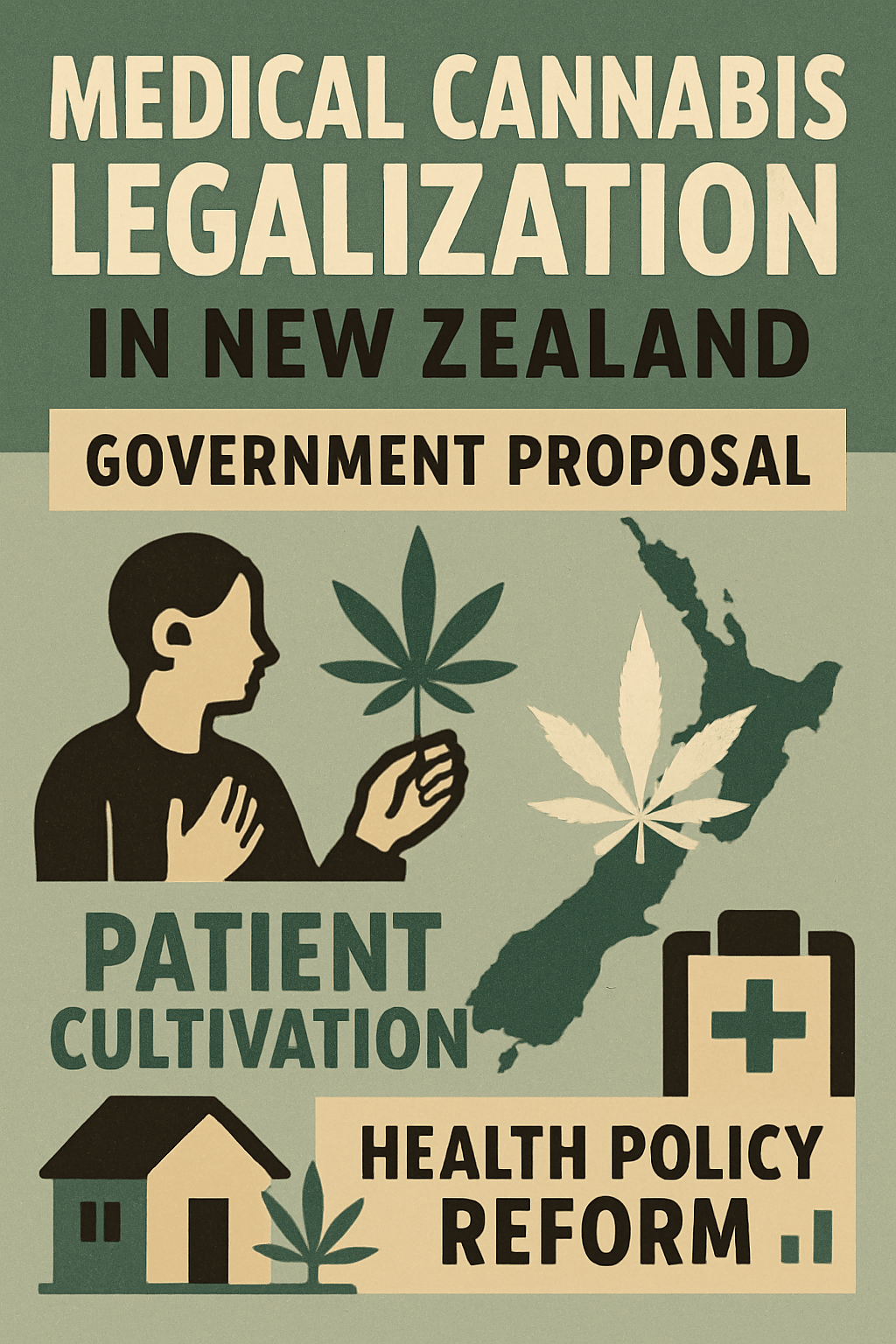
The proposal notably permits patients with serious health conditions to cultivate their own cannabis plants, signaling a shift towards patient empowerment within the healthcare system. The government’s cautious yet progressive stance recognizes the complexity of cannabis as a therapeutic agent—balancing optimism for its benefits with a commitment to safety and quality assurance. Public health officials and policymakers anticipate that the legislation could ultimately reduce black market reliance by integrating medicinal cannabis into mainstream pharmacy distribution networks. Furthermore, the establishment of a Cannabis Advisory Committee is intended to foster confidence among healthcare practitioners hesitant to prescribe medical marijuana, addressing previous gaps in clinical guidance and regulatory clarity.
While the initiative has garnered support from key stakeholders, including the influential New Zealand Drug Foundation, critics argue the proposal stops short of more comprehensive protections and broader patient eligibility. This ongoing dialogue reflects the nuanced challenges faced by governments worldwide in crafting cannabis laws that are equitable and scientifically sound. For New Zealand, these developments are not isolated; they interlace with global patterns seen in jurisdictions such as South Dakota and Australia, where similar reforms have incited debate and prompted shifts in legislative landscapes.
Decoding New Zealand Government’s Medical Cannabis Legalization Proposal: Core Features and Legislative Process
The 2025 Misuse of Drugs Amendment Bill represents a fundamental step in New Zealand’s journey to integrate medical cannabis within its healthcare system. This section delves into the proposal’s main elements, legislative outlook, and expected impact on public health, providing readers with an in-depth understanding of how the government plans to navigate the complex terrain of medical marijuana legalization.
First, the bill specifically targets accessibility for patients with chronic and terminal illnesses—a strategic focus to address urgent medical needs. Under the new framework, those diagnosed with such conditions can legally obtain medical cannabis and, notably, cultivate their own plants. This patient-centric approach marks a departure from previous restrictions that limited access to authorized producers and pharmacies, often delaying relief for patients.
Complementing patient access is the formation of a Cannabis Advisory Committee tasked with overseeing the prescription process and quality control of medicinal cannabis products. This committee’s mandate includes:
- Establishing standardized quality benchmarks for cannabis products
- Advising healthcare professionals on evidence-based prescribing practices
- Monitoring adverse effects and patient safety outcomes
- Facilitating ongoing research and data collection related to medical cannabis
The government’s recognition that the full implementation will take nearly two years underlines the complexity of integrating new substances into the medical system. During this transition period, a temporary decriminalization measure is proposed for patients with prognosis under one year. Health Minister David Clark emphasized this compassionate interim step by stating it does not legalize cannabis outright for terminal patients but shields them from criminal prosecution, acknowledging the urgency of their situation.
From a legislative standpoint, the process incorporates public consultation, health policy reviews, and harmonization with existing drug laws to ensure consistency and constitutional compliance. The government is also preparing for potential scrutiny as it balances drug control imperatives with expanding patient rights.
| Feature | Description | Expected Timeline |
|---|---|---|
| Patient Cultivation Rights | Allows patients with chronic or terminal illnesses to grow their own cannabis plants for medicinal use | Upon bill enactment + detailed guidelines within 1 year |
| Cannabis Advisory Committee | Monitors product quality, prescription safety, and clinical guidelines | Formed within 6 months of bill passing |
| Temporary Decriminalization | Interim legal protection for patients under 1-year prognosis | Immediately upon bill introduction, lasting until full implementation |
| Pharmacy Distribution | Import of medical cannabis initially; eventual local cultivation and pharmacy dispensing | Phased approach over 2 years |
The scheme’s design is poised to build trust among healthcare providers, which has been a systemic obstacle in earlier medical cannabis frameworks. New Zealand’s strategy echoes some international regulatory models, while tailored to its own socio-cultural and healthcare dynamics. For more context on global policy trends and comparative governance, readers may refer to ongoing debates on cannabis legalization worldwide and challenges faced by jurisdictions like South Dakota in the US, which saw dispensary closures after recreational legalization struggles (source).
Patient Access and Health Policy Implications of Medical Cannabis Regulation in New Zealand
The government’s proposal foregrounds the principle of patient access as a cornerstone of evolving cannabis regulation. This section unpacks how the legislation might reshape medical marijuana availability, address healthcare provider concerns, and influence public health outcomes.
Access to medical cannabis in New Zealand has traditionally been hindered by limited product availability, cautious prescribing attitudes, and regulatory complexities. By permitting home cultivation for qualifying patients, the new bill aims to mitigate supply bottlenecks and increase autonomy. This change is significant for individuals in remote or underserved regions where pharmacy access may be limited.
Key health policy considerations driving the proposal include:
- Reducing reliance on illegal cannabis markets by providing legal, quality-assured alternatives
- Improving symptom management for chronic and palliative care patients through customizable treatment
- Enhancing practitioner confidence via structured guidelines and expert oversight
- Addressing disparities in cannabis use criminalization especially among Māori communities
Research consistently points to the benefits of medical cannabis in managing pain, nausea, and anxiety related to severe illnesses. However, the historic stigma and lack of standardization have limited clinical adoption. The Advisory Committee will be pivotal in creating a transparent framework, supporting evidence-based policy, and addressing safety concerns.
Additionally, regulatory pathways will allow New Zealand to gradually transition from imported medicinal cannabis products to local cultivation, aligning with global movements seen in countries like Australia, which recently expanded medical cannabis exports to meet rising demand. Local production is expected to generate economic opportunities and enhance supply security.
| Access Challenge | Proposed Legislative Solution | Anticipated Impact |
|---|---|---|
| Limited Prescribing by Healthcare Providers | Advisory Committee guidance and standardized protocols | Increased prescribing confidence and patient access |
| Supply Shortages | Permission to home-grow and importation phase | More consistent product availability |
| Criminalization of Therapeutic Use | Temporary decriminalization for terminal patients | Reduced legal risk and stigma |
| Inequities Affecting Māori Communities | Inclusive patient eligibility and social justice lens | Potential reduction in disproportionate criminalization |
New Zealand’s approach exemplifies an evolving understanding of cannabis regulation as a tool for enhancing public health rather than solely as a criminal justice challenge. The country’s path mirrors international precedents but with attention to its own cultural and healthcare ecosystem. Further comparisons can be drawn with Brazil’s cannabis home cultivation policy (source) which similarly emphasizes patient empowerment.
The Role of the Cannabis Advisory Committee in Strengthening Medical Cannabis Regulation and Public Health Safeguards
The establishment of a Cannabis Advisory Committee is a pivotal aspect of New Zealand’s Government Proposal to legalize medical cannabis. This section explores the committee’s responsibilities, operational framework, and anticipated contributions to both patient safety and practitioner confidence.
The committee is designed to bridge gaps between medical research, regulatory oversight, and clinical practice. It will consist of multidisciplinary experts including healthcare professionals, pharmacologists, patient advocates, and public health officials. Its core functions include:
- Setting quality standards for cannabis-based medicines to ensure safety and efficacy
- Developing and disseminating evidence-based prescribing guidelines for medical practitioners
- Monitoring patient outcomes and adverse effects to inform policy adjustments
- Facilitating ongoing research collaborations and data transparency
By institutionalizing this oversight body, the government aims to mitigate previous clinician hesitancy caused by regulatory uncertainty and quality variability. This confidence-building mechanism is expected to increase medical cannabis prescription rates, helping integrate therapeutic cannabis into accepted health treatments.
The committee will also serve as a critical feedback loop for legislators, providing evidence to potentially refine the cannabis regulation scheme over time. Its advisory role is fundamental given that medical cannabis remains a complex and evolving area of pharmacotherapy, with new data emerging regularly.
| Committee Responsibility | Function | Outcome for Public Health |
|---|---|---|
| Quality Assurance | Implement manufacturing and product control standards | Ensures patient safety and trust in medical cannabis products |
| Prescribing Guidelines | Create evidence-based protocols for practitioners | Reduces clinical uncertainty and improves patient care |
| Adverse Effects Monitoring | Track patient responses and report safety concerns | Enables rapid response to health risks or negative outcomes |
| Research and Policy Feedback | Collaborate with research institutions and policymakers | Supports ongoing refinement of cannabis regulations |
This governance model aligns with best practices internationally, as seen in other regions pioneering medical marijuana frameworks. For an example of the complex legal and regulatory challenges, the case of the US federal stance on cannabis legalization under recent administrations offers instructive parallels (read more).
Balancing Temporary Decriminalization and Long-Term Legalization: Ethical and Social Dimensions in New Zealand’s Medical Cannabis Framework
New Zealand’s proposal includes a compassionate interim provision to temporarily decriminalize medical cannabis use for patients with less than one year to live, reflecting an ethical commitment to alleviate suffering while the legislative framework matures. This section analyzes both the ethical rationale and social implications of this nuanced policy design.
Minister of Health David Clark emphasized that while this temporary legal shield does not equate to outright legalization, it importantly prevents criminal charges against terminal patients consuming cannabis. This distinction illustrates a pragmatic, human-centered approach in legislative design.
Ethically, the policy respects patient dignity and prioritizes symptom relief in end-of-life care without waiting for the lengthy legislative process. Socially, it challenges traditional punitive frameworks that disproportionately affected vulnerable populations, especially Māori, who have historically been overrepresented in drug-related prosecutions.
- Ethical Priorities: Compassion, dignity, minimizing legal harm in terminal cases
- Social Impact: Potential reduction in justice system burdens and stigma
- Policy Challenges: Differentiating temporary versus permanent legalization statuses
- Public Perception: Balancing societal acceptance with medical necessity
This approach also aligns with harm reduction paradigms gaining traction globally. It acknowledges the urgency in providing relief without compromising the careful deliberation needed for comprehensive regulation. Comparisons can be drawn with other countries successfully implementing phased or provisional cannabis policies as they evolve legislative frameworks.
| Dimension | Description | Potential Benefit |
|---|---|---|
| Compassionate Use | Legal protection for terminal patients using cannabis therapeutically | Reduces suffering and criminalization |
| Legal Clarity | Distinguishes between temporary decriminalization and full legalization | Facilitates policy transition and public understanding |
| Social Justice | Redresses disproportionate impact on Māori and marginalized groups | Promotes equity and trust in the health system |
| Stigma Reduction | Normalizes therapeutic cannabis use in sensitive health contexts | Encourages openness and support from communities and providers |
For readers interested in broader legal debates and social justice concerns in cannabis policy, the recent discussions around cannabis legalization in France (source) offer comparative perspectives. Moreover, the NZ Drug Foundation’s response to the government’s proposal highlights both support and areas needing improvement, indicating a vibrant civil society engagement ().
International Context and Future Prospects for New Zealand’s Medical Cannabis Legalization Strategy
As New Zealand advances its legislative framework, it positions itself within a dynamic global medical cannabis landscape characterized by diverse regulatory approaches and economic opportunities. This final section situates the government’s proposal within an international context and discusses potential future developments.
Many countries have embarked on or expanded medical cannabis legalization over the past decade, balancing health policy, public health rationales, and legislative processes uniquely adapted to their sociopolitical realities. New Zealand’s approach notably aligns with progressive examples such as Australia’s robust export and cultivation programs and Brazil’s patient cultivation policies.
Key considerations for New Zealand’s ongoing process include:
- Integration of local cannabis cultivation to boost supply security and foster domestic industry growth
- Alignment with international trade norms, particularly concerning medicinal cannabis imports and exports
- Collaboration with indigenous health organizations to ensure equitable access and culturally sensitive care
- Continuous policy evaluation informed by data from the Cannabis Advisory Committee and public health outcomes
The anticipated two-year timeline for full implementation presents a critical window for stakeholder engagement, education, and system development. New Zealand’s policy trajectory also resonates with lessons learned from other jurisdictions facing challenges in pharmacy distribution and market regulation, such as Canada’s experiences with its national cannabis framework (source) and Saskatchewan’s legalization dynamics (source).
Furthermore, as global dialogues evolve, the government must remain attentive to emerging research on medical marijuana efficacy and safety and public expectations related to drug reform, paralleling the politicized debates observed in other countries like the United States (source).
New Zealand’s endeavor signals a meaningful turning point in balancing medical innovation, public health imperatives, and legislative prudence within a compassionate framework aimed at improving patients’ lives.


Post Comment