Canada: Saskatchewan Unveils Its Cannabis Legalization Blueprint

As cannabis legalization continues to evolve across North America, Saskatchewan has presented its detailed blueprint for cannabis distribution and sales, setting itself apart through a blend of public safety focus and private sector involvement. This Canadian province’s approach, unveiled initially in 2018 and refined over recent years, underscores an intricate legal framework crafted to suit Saskatchewan’s diverse demographic, including urban centers like Saskatoon and close-knit Indigenous communities. With the Saskatchewan Liquor and Gaming Authority (SLGA) at the helm, the province has adopted a model that carefully navigates the challenges of addiction prevention, economic opportunity, and regulatory clarity.
Unlike other provinces such as Ontario or Quebec, where cannabis sales are predominantly public-sector driven, Saskatchewan’s plan distinctly embraces private retail operations. This strategic choice is designed to stimulate the local cannabis industry, providing entrepreneurial opportunities across at least 40 municipalities and several First Nations communities. Additionally, Saskatchewan models itself with protective licensing procedures, including a rigorous vetting and lottery system to ensure that cannabis retail licenses are distributed fairly and responsibly.
Balancing accessibility with public health, the province’s cannabis legalization blueprint also outlines demographic considerations — for instance, only towns with populations exceeding 2,500 residents initially qualify for licensed retail stores. This limits over-saturation, particularly within smaller communities, while larger urban centers may see multiple outlets to meet consumer demand. Furthermore, the age restriction, expected to be aligned with the province’s legal alcohol age of 19, aims to maintain cautious control around youth access.
The unfolding regulatory developments in Saskatchewan fit within a broader Canadian context where marijuana legalization serves as both a social reform and economic stimulus. Provinces across the country adopt varying approaches that collectively inform federal policy progression. As Canada remains a global reference point for regulated cannabis markets, Saskatchewan’s blueprint contributes distinct lessons on private sector participation and community involvement. This discourse resonates internationally, echoed in collaborative dialogues among European nations and North American states alike on cannabis legalization practices and outcomes.
Comprehensive Overview of Saskatchewan’s Cannabis Legalization Framework and Regulatory Approach
The province of Saskatchewan, recognizing the complexity and importance of responsible cannabis legalization, entrusted the Saskatchewan Liquor and Gaming Authority (SLGA) with the regulatory powers to oversee all retail licensing and distribution aspects. This decision aligns Saskatchewan with various Canadian provinces grappling with how best to balance public safety and consumer access under the Cannabis Act, Canada’s federal legalization statute.
The SLGA’s responsibilities are multifaceted. It evaluates potential cannabis retailers through a two-stage process — initial applicant background reviews followed by a licensing lottery. This model intends to ensure that all retail operators comply with provincial standards regarding security, responsible sales, and community impact. Such a licensing mechanism also fosters fairness, opening market entry to a diverse range of private entrepreneurs.
A unique feature of Saskatchewan’s approach is its specific geographic criteria for cannabis dispensaries. Retail licenses are initially limited to cities with at least 2,500 residents, a strategy aimed at prudent market growth and control. Saskatoon and other larger towns may support multiple storefronts to ensure adequate supply and convenience for consumers while maintaining regulatory oversight. Additionally, Indigenous communities are actively involved in decision-making, possessing the autonomy to opt-in for cannabis retail stores within their territories, reflecting ongoing reconciliation efforts and respect for self-governance.
The province prohibits cannabis sales alongside alcohol products in retail locations, emphasizing separation of potentially addictive substances. This policy contrasts with approaches in provinces like Nova Scotia, where mixed sales are permitted. Limiting cannabis-only outlets strengthens targeted education and harm reduction strategies.
The minimum legal purchase age is yet to be finalized at the provincial level but is anticipated to mirror Saskatchewan’s alcohol consumption age of 19, reflecting a cautious stance towards youth access and consumption. This complements broader drug policy goals across Canada aimed at balancing legalization’s benefits with mitigation of adverse health impacts.
- SLGA governs cannabis licensing and regulation.
- Retail licenses allocated through applicant vetting and lottery.
- Stores restricted to towns over 2,500 residents initially.
- Separate cannabis-only retail outlets, no alcohol sales combined.
- Active inclusion of First Nations communities in retail decisions.
| Regulatory Aspect | Description |
|---|---|
| Governing Body | Saskatchewan Liquor and Gaming Authority (SLGA) |
| Retail Licensing Method | Applicant evaluation followed by lottery for license distribution |
| Geographic Limits | Towns with population over 2,500 and select First Nations communities |
| Product Sales Restrictions | Cannabis products only; no alcohol sales in the same outlet |
| Minimum Legal Purchase Age | Anticipated 19 years |
Understanding Saskatchewan’s policy choices provides insight into a distinct pathway within Canada’s diverse patchwork of marijuana legalization efforts and offers analogies for other regions considering deregulation strategies in their drug policy frameworks. See broader Canada cannabis legalization initiatives for context.
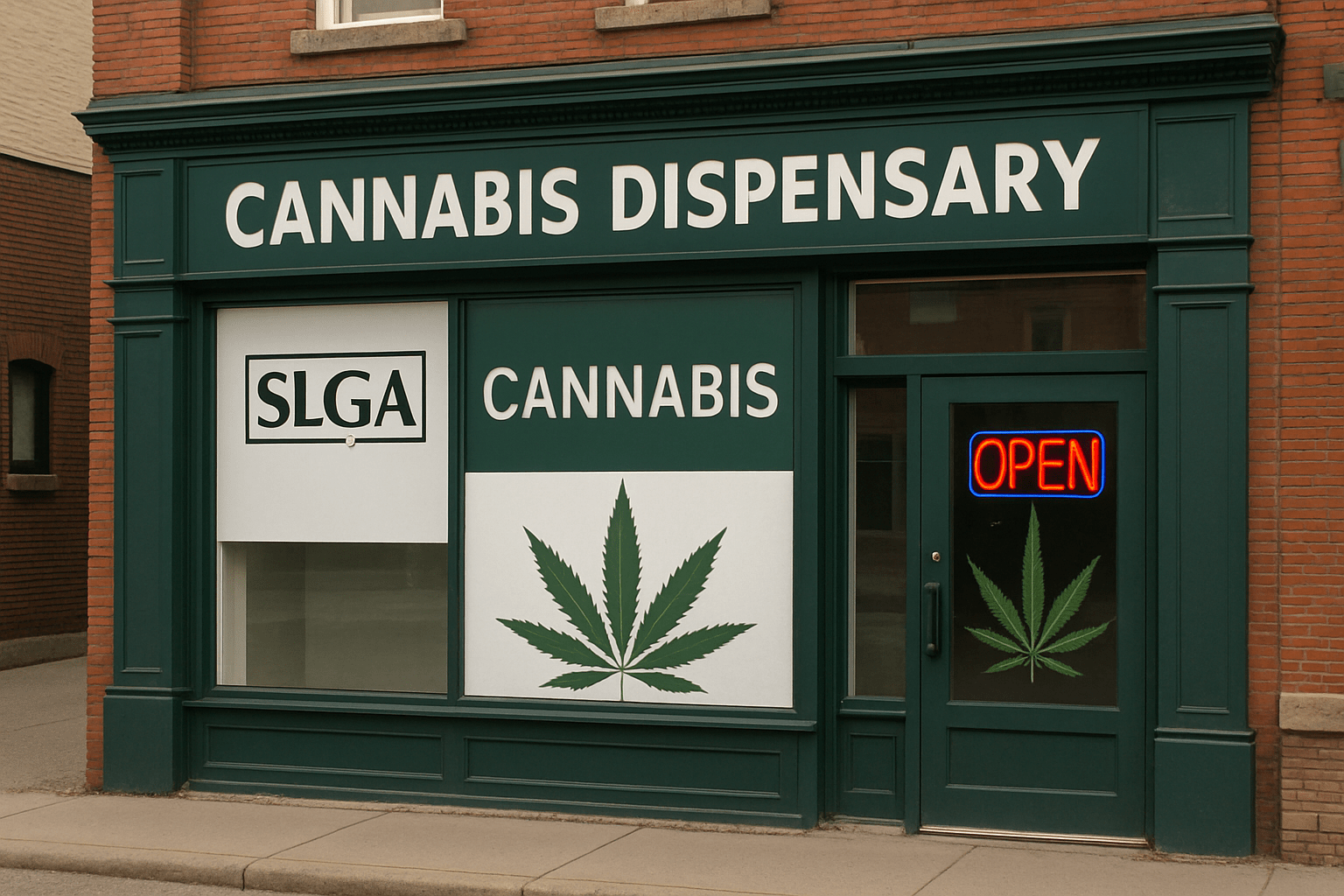
Economic Impact and Growth Opportunities within Saskatchewan’s Emerging Cannabis Industry
The legalization of cannabis in Saskatchewan has opened new economic avenues and sparked entrepreneurial interest, evidenced by a steadily growing local cannabis industry. By allowing private sector involvement in sales and licensing, the province taps into market dynamics that promote innovation and job creation.
This industry growth is amplified by the province’s measured retail rollout strategy, which initially anchors dispensaries in communities of sufficient size to sustain profitability while preventing market saturation. Saskatoon, for example, is expected to support multiple outlets, increasing competitive choice and thereby benefiting consumers and fostering business evolution.
Key components of Saskatchewan’s cannabis sector economic profile include cultivation, retail operations, ancillary services such as security and distribution, and product development innovations. The province’s regulatory framework supports these through clear guidelines and licensing processes, allowing enterprises to thrive legally within the parameters of provincial and federal law.
Employment within the cannabis industry spans a range of roles—from budtenders and facility managers to compliance officers and logistics specialists—highlighting the broad economic footprint legalization expands across Saskatchewan. Furthermore, Indigenous entrepreneurs receive encouragement to participate, strengthening economic inclusivity.
- Private cannabis retail drives local business growth.
- Retail locations concentrated in towns with viable market size.
- Job creation in cultivation, retail, and service sectors.
- Inclusion of Indigenous enterprises promotes economic diversity.
- Innovation stimulated through product and consumer experience development.
| Industry Segment | Development Status | Opportunities |
|---|---|---|
| Cultivation | Established commercial grow operations | R&D and strain development |
| Retail | 40+ licensed private stores operational | Expansion in larger cities |
| Distribution | SLGA-managed supply chains | Improving logistics and wholesale partnerships |
| Ancillary Services | Compliance, security, marketing support | Consulting and tech solutions growth |
With this robust cannabis industry blueprint, Saskatchewan mirrors broader trends seen across North America and Europe, where regulated cannabis markets continue to spur economic development and innovation. For comparative international perspectives on cannabis legalization, visit Cannabis Legalization Europe.
Public Safety Measures and Community Engagement in Saskatchewan’s Cannabis Regulation
Ensuring community well-being remains a cornerstone in Saskatchewan’s cannabis legalization blueprint. The provincial government demonstrates a commitment to safeguarding public safety while supporting responsible consumption through engagement, education, and strict retail oversight.
A key facet involves allowing selected municipalities and First Nations communities to decide whether to host cannabis stores, placing community consent at the heart of territorial regulation. This autonomy helps reduce social friction and respects local values and norms.
In public safety terms, the SLGA enforces rigorous standards on licensed cannabis retailers, including compliance with security protocols, age-verification enforcement, and restrictions on promotions targeting youth. These measures are reinforced by ongoing public education campaigns focused on safe use and awareness of cannabis effects.
Data collection and monitoring of cannabis-related impacts on health and safety continue to inform adjustments to regulation. This dynamic approach aligns with Canada’s overall drug policy strategy characterized by continuous review and stakeholder engagement.
- Municipal and First Nations community opt-in for retail stores.
- Strict licensing criteria emphasize public safety compliance.
- Targeted educational programs reduce youth consumption risk.
- Security and age verification mandatory for retail outlets.
- Continuous data monitoring guides policy adjustments.
| Public Safety Element | Implementation Status | Community Impact |
|---|---|---|
| Community Consent | Optional store presence in 40 municipalities plus First Nations | Increased local control and acceptance |
| Retailer Compliance | Ongoing enforcement by SLGA | Reduced illegal sales and youth access |
| Education Programs | Provincial campaigns in schools and media | Improved public knowledge |
| Security Measures | Mandatory for retail licenses | Enhanced consumer and community safety |
The Saskatchewan blueprint’s emphasis on local involvement and data-driven safeguard measures reflects a mature regulatory stance that prioritizes community welfare. For social insights on cannabis policy trends internationally, consider the collaborative experiences shared in Germany’s cannabis legalization discussions.
Saskatchewan’s Blueprint in the Context of Canada’s National Cannabis Legalization Landscape
While Saskatchewan’s blueprint showcases a private retail-focused legalization model, it exists within a mosaic of varied provincial approaches across Canada. Provinces such as Ontario and Quebec opt for government-controlled sales, whereas others like Manitoba and Alberta lean towards private sector involvement. Saskatchewan’s plan exemplifies a hybrid balancing act between deregulated commerce and careful regulation.
This Canadian diversity reveals how regional social values, economic priorities, and political preferences shape cannabis policy implementation. The Saskatchewan framework accounts for the province’s distinct demographics, resource distribution, and Indigenous relations, embodying adaptive governance within Canada’s overall federal legalization strategy.
Additionally, Saskatchewan’s decision to keep cannabis and alcohol sales separate contrasts with some provinces, highlighting differing public health philosophies. It emphasizes a clean regulatory delineation, believing this reduces cross-substance abuse risk and enhances consumer clarity.
- Private retail model contrasts with public sales provinces.
- Provincial autonomy leads to diverse regulatory outcomes.
- Integration of Indigenous self-governance in retail decisions.
- Separation of cannabis and alcohol sales as a health measure.
- Reflects broader themes in Canadian drug policy experimentation.
| Province | Sales Model | Age Limit | Alcohol & Cannabis Sales |
|---|---|---|---|
| Saskatchewan | Private retail with SLGA oversight | 19 years (expected) | Separate cannabis-only outlets |
| Ontario | Public and private hybrid | 19 years | Some integration permitted |
| Quebec | Public retail monopoly | 21 years | Separate sales |
| Alberta | Private retail with government regulation | 18 years | Separate sales |
This fragmentation offers a living laboratory for drug policy, allowing continuous learning and refinement of legal cannabis frameworks within the Canadian federation. For a deeper dive into Alberta’s mixed governance model and evolving guidelines, see Alberta cannabis guidelines.
Future Challenges and Policy Considerations in Saskatchewan’s Cannabis Legalization Journey
Looking forward, Saskatchewan’s cannabis legalization faces key challenges and evolving policy considerations as the market matures and consumer behaviors shift. Ensuring a balance between fostering a competitive cannabis industry and maintaining stringent public safety remains paramount.
One pressing issue is the potential for market oversaturation in larger cities, which could compromise business viability and regulatory control. Adjusting retail licenses and geographic limits must remain flexible to accommodate changing demand profiles.
Additionally, integrating new cannabis product innovations—such as edibles, concentrates, and emerging 2.0 products—requires ongoing legislative agility and clarity. This will ensure consumer safety, proper labeling, and responsible marketing while fostering product diversity within legal bounds.
The ongoing engagement with Indigenous communities remains essential, requiring continual consultation and respect for governance preferences and economic participation. Transparency and responsiveness will uphold trust and support co-creation approaches.
- Monitoring retailer distribution to prevent oversaturation.
- Updating regulations to encompass new cannabis products safely.
- Maintaining rigorous public safety enforcement amid market evolution.
- Fostering Indigenous economic participation and decision-making.
- Adapting age restrictions and educational outreach as needed.
| Future Policy Area | Potential Challenges | Strategic Responses |
|---|---|---|
| Market Regulation | Retail store density and competition | Dynamic licensing adjustments |
| Product Innovation | New forms and potency | Updated safety protocols and labeling |
| Community Relations | Indigenous engagement and governance | Ongoing consultation and partnership |
| Public Safety | Youth access and impaired driving | Enhanced education and enforcement |
As cannabis legal frameworks continue to serve as dynamic instruments of social and economic policy, Saskatchewan’s blueprint will undoubtedly evolve in response to new challenges and opportunities. For insights on medical cannabis industry regulations and market dynamics elsewhere, see South Dakota’s medical marijuana dispensaries.


Post Comment