Nevada Set to Exclude Cannabis from Banned Substance List
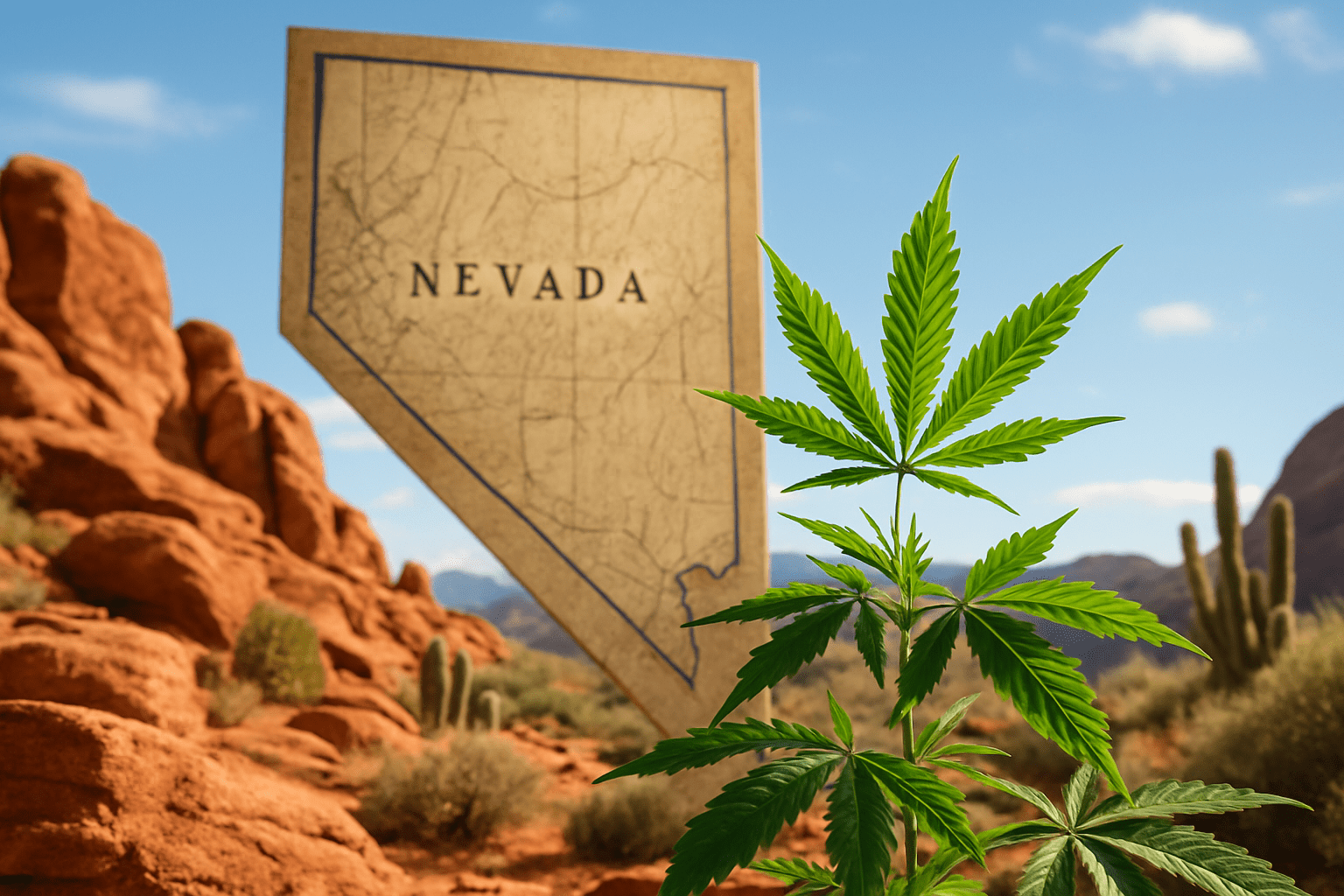
The evolving stance on cannabis regulation in Nevada marks a significant turning point in how this substance is viewed across various sectors, especially in professional sports. Since the legalization of cannabis for recreational and medical use in the state, several regulatory conflicts and debates have surfaced regarding its classification as a banned substance. Notably, the Nevada Athletic Commission has positioned itself to remove cannabis and its components from the prohibited substances list in certain sports events, especially combat sports like MMA. This progressive move stands in contrast to federal drug policies and some national sports regulatory frameworks, sparking dialogue about fairness, public health, and athletes’ rights. As these legislative discussions intensify, it’s essential to understand the historical context, legal nuances, and the implications for athletes, stakeholders, and the broader public health landscape.
Historical Context and Legal Evolution of Cannabis in Nevada
In Nevada, the journey of cannabis legalization began well before its current prominence in public policy debates. The state first authorized medical cannabis use in 2000, a pioneering move at the time, reflecting changing societal attitudes towards marijuana. This initial step paved the way for the landmark 2016 vote, which legalized the use, sale, and distribution of recreational cannabis, making Nevada one of the early adopters in the United States.
Despite legalization, cannabis remained listed as a Schedule I controlled substance under Nevada law, creating a legal inconsistency. Schedule I classification generally includes substances deemed to have a high potential for abuse and no accepted medical use, placing marijuana alongside drugs like heroin. This classification hindered various sectors from fully embracing cannabis use, notably professional athletics, where drug testing protocols continued to mark cannabis as a banned substance. The resulting tension spurred legal challenges, prominently led by civil rights groups such as the ACLU of Nevada.
One notable case involved Nevada’s Board of Pharmacy, which was challenged on grounds that its continued listing of cannabis as a controlled substance conflicted with the state’s constitutional and voter-mandated legalization framework. Although the Nevada Supreme Court upheld the Board’s authority to classify cannabis as Schedule I in 2024, ongoing pressure from advocacy groups and legislative bodies signals potential shifts ahead.
Several key points highlight this context:
- 2000: Nevada legalizes medical cannabis, emphasizing therapeutic value.
- 2016: Recreational cannabis legalized via voter referendum.
- Ongoing: Cannabis remains on Nevada’s Schedule I list despite legalization.
- 2024: Nevada Supreme Court upholds Schedule I classification, reinforcing Board of Pharmacy’s role.
- Current debates: Calls to exclude cannabis from banned substances list in sports and simplify state regulation.
| Year | Event | Impact on Cannabis Regulation |
|---|---|---|
| 2000 | Medical Cannabis Legalized | Established medicinal use, pioneering acceptance |
| 2016 | Recreational Cannabis Legalized | Broadened access, created legal cannabis industry |
| 2024 | Supreme Court Decision | Maintained Schedule I classification, upheld Board authority |
This comprehensive legal history illustrates the complex and evolving regulatory terrain that cannabis traverses in Nevada, informing the decisions and debates unfolding in sports and drug policy domains.
Impact of Excluding Cannabis from the Nevada Athletic Commission’s Banned Substances List
The potential decision by the Nevada Athletic Commission (NAC) to remove cannabis and its derivatives from its list of banned substances would represent a pioneering effort in professional sports regulation in the United States. This move is especially historic as it would be the first instance where a professional athletic body considers allowing cannabis use among athletes, particularly in combat sports such as Mixed Martial Arts (MMA).
The NAC’s deliberation comes amid a broader national and international shift towards re-evaluating cannabis’ role in public health, sports integrity, and athlete welfare. Currently, many sports organizations, including the UFC and the Anti-Doping Agency, maintain cannabis as a prohibited substance due to concerns about performance enhancement, safety, and regulatory consistency. However, the NAC’s stance could challenge this norm by differentiating recreational or medical cannabis use from traditional performance-enhancing drugs.
The discussion around cannabis in sports is fueled chiefly by prominent athletes and advocates who argue for its therapeutic benefits. The Diaz brothers, Nick and Nate, both professional MMA fighters, have openly used cannabis, sparking significant debate about fairness, athlete rights, and the measurement thresholds in drug testing. Nick Diaz incurred an 18-month suspension in 2015 after testing positive for cannabis components, while Nate Diaz avoided sanctions after using CBD products.
The NAC’s debate is centered on several core considerations:
- Health and Recovery: Cannabis is viewed by many athletes as beneficial for pain management and recovery without the side effects of opioids.
- Performance Impact: Determining whether cannabis provides an unfair competitive advantage or compromises safety.
- Regulatory Clarity: Establishing clear thresholds and rules to balance athlete freedom with sport integrity.
- Public Health Messaging: Navigating how regulation reflects and influences societal perceptions of cannabis use.
| Consideration | Details | Potential Outcome |
|---|---|---|
| Health and Recovery | Pain relief, inflammation reduction, opioid alternative | Improved athlete welfare, reduced opioid dependence |
| Performance Impact | Possible impairment vs. anti-anxiety effects | Policy balance needed to ensure fair play |
| Regulatory Clarity | Blood threshold limits (e.g., 150 ng/ml currently allowed) | Clear guidelines reduce disputes and suspensions |
| Public Health Messaging | Normalizing responsible use, addressing stigmas | Increased acceptance, but need for education |
Should the NAC approve the measure under discussion in 2025, the policy could be implemented within three months, albeit only within Nevada’s jurisdiction. Meanwhile, organizations like the UFC retain cannabis on their banned substances list, maintaining a fractured regulatory landscape. The conversation echoes similar debates globally, where cannabis legalization and sports regulation are being navigated in tandem, as seen in places like Berlin’s semi-legal cannabis policies or Canada’s evolving cannabis legislation.
The Diaz Influence and Cannabis Normalization in MMA and Combat Sports
Few athlete advocates have influenced the cannabis discussion in sports as visibly as Nick and Nate Diaz, brothers known for their successful careers in MMA and outspoken attitude toward cannabis use. Their public consumption and defense of cannabis, both recreational and medical, have spotlighted the intersection between drug policy, athletics, and athlete health.
Nick Diaz’s suspension in 2015 for testing positive for marijuana components triggered widespread debate about proportionate sanctions, the relevance of cannabis as a performance enhancer, and the tension between legal state policies and sports regulations. Nate Diaz’s use of CBD post-match without facing penalties further complicated the discussion, illustrating discrepancies in testing and enforcement.
The Diaz brothers’ openness serves as a catalyst for broader cultural change among fighters and fans, encouraging re-examination of cannabis’ place in combat sports. As MMA fighters endure rigorous training and face intense physical tolls, cannabis advocates argue that proper regulation rather than prohibition offers more equitable outcomes. Moreover, influential figures like Franck Shamrock advance medical cannabis awareness, creating specialized media like “The Bakeout” to discuss therapeutic uses and challenge misconceptions.
- Cannabis as Pain Management: Provides a safer alternative to opioids.
- Reducing Stigma: Public figures promote openness and education.
- Challenging Drug Policies: Advocacy for realistic and humane regulations.
- Personal Stories: Fighters sharing firsthand benefits foster trust and dialogue.
| Advocate | Contribution | Impact |
|---|---|---|
| Nick Diaz | Public use and legal case | Raised awareness, influenced policy debates |
| Nate Diaz | CBD use and exemption from sanctions | Highlighted inconsistencies in testing |
| Franck Shamrock | Medical cannabis promotion via media | Educated public on benefits and challenges |
Altogether, the Diaz brothers and influential voices championing cannabis in sports have shaped ongoing regulatory reform discussions. Their advocacy aligns with broader shifts in Nevada’s cannabis legislation and public health perspectives currently under reconsideration.
Challenges and Controversies in Cannabis Regulation within Sports and Public Health
The debate over removing cannabis from banned substances lists transcends sports, touching core issues of public health, drug policy consistency, and societal implications. Although Nevada leads progressive efforts to align cannabis regulation with legalization, national and international frameworks pose ongoing challenges.
Cannabis remains federally illegal in the United States, classified as a Schedule I substance under federal law, complicating regulatory harmonization for states like Nevada. Sports organizations adhering to World Anti-Doping Agency (WADA) regulations continue to prohibit cannabis use, citing concerns about health risks, impairment, and the integrity of competition. Meanwhile, public health experts weigh the risks of cannabis use, including its effects on cardiovascular health and cognitive functions.
These various factors underscore several key challenges:
- Regulatory Fragmentation: Discord between state laws, federal policies, and sports regulations.
- Health Concerns: Potential associations between cannabis use and heart disease, mental health considerations.
- Enforcement and Testing: Difficulty in establishing fair, science-based testing thresholds.
- Social Equity: Addressing historical criminalization and supporting marginalized communities.
| Challenge | Description | Possible Solutions |
|---|---|---|
| Regulatory Fragmentation | Divergent laws and inconsistent enforcement | Unified state and federal coordination, updated policies |
| Health Concerns | Links to cardiovascular and neurological effects | Ongoing research, public education |
| Testing Standards | Variable thresholds and false positives | Science-driven limits, improved testing tech |
| Social Equity | Historical disproportionate impact on communities | Reparative justice policies, inclusion initiatives |
One study has highlighted emerging concerns around cannabis users and heart disease, emphasizing the need for balanced public health approaches in policy formulations. As debates progress, Nevada’s unique position in cannabis regulation offers a testing ground for managing these complexities in line with legalization and evolving societal standards.
Prospective Legislative and Regulatory Developments for Cannabis in Nevada
The momentum to fully exclude cannabis from Nevada’s Schedule I controlled substances list and redefine its status in athletic and public spheres signals a transformative phase in the state’s drug policy. Legislative proposals seek to transfer marijuana oversight exclusively to the Cannabis Compliance Board, distancing it from the conventional controlled substances framework maintained by the Nevada Board of Pharmacy. Such structural reforms aim to clarify governance, streamline regulation, and reduce legal contradictions.
These developments resonate with global trends, such as Canada’s comprehensive legalization and regulation models, semi-legal cannabis frameworks emerging in Berlin, and France’s ongoing legislative debates. These international examples provide useful comparative insights on handling legalization’s economic, health, and social facets, as showcased at conferences dedicated to cannabis legislation and public health discussions.
Key elements expected from Nevada’s proposed legislation include:
- Single-Agency Oversight: Centralizing cannabis control under the Cannabis Compliance Board for coherent policymaking.
- Removal from Banned Substances List: Reflecting legalization realities, particularly in sports regulation.
- Public Health Protections: Emphasizing education, research, and responsible use guidelines.
- Social Equity Considerations: Ensuring inclusion and reparative justice for historically impacted populations.
| Legislative Component | Purpose | Expected Impact |
|---|---|---|
| Consolidated Oversight | Centralize regulatory control | Smooth governance, reduce confusion |
| Declassification from Schedule I | Align with legalization | Legal clarity, broader acceptance |
| Public Health Focus | Protect consumer health | Reduced risks, informed users |
| Equity and Inclusion | Address social justice | Community support, fair treatment |
For those looking to examine global cannabis reforms and policy debates, resources like French cannabis legislation analysis and reports on Canada’s largest cannabis facility offer deep insight into operational and regulatory approaches. In parallel, emerging cannabis enterprises such as legalized cannabis cafes in Denver demonstrate how legalization integrates into social and economic frameworks.


Post Comment