Certain Cannabis Users at Risk of Developing Rare Heart Disease

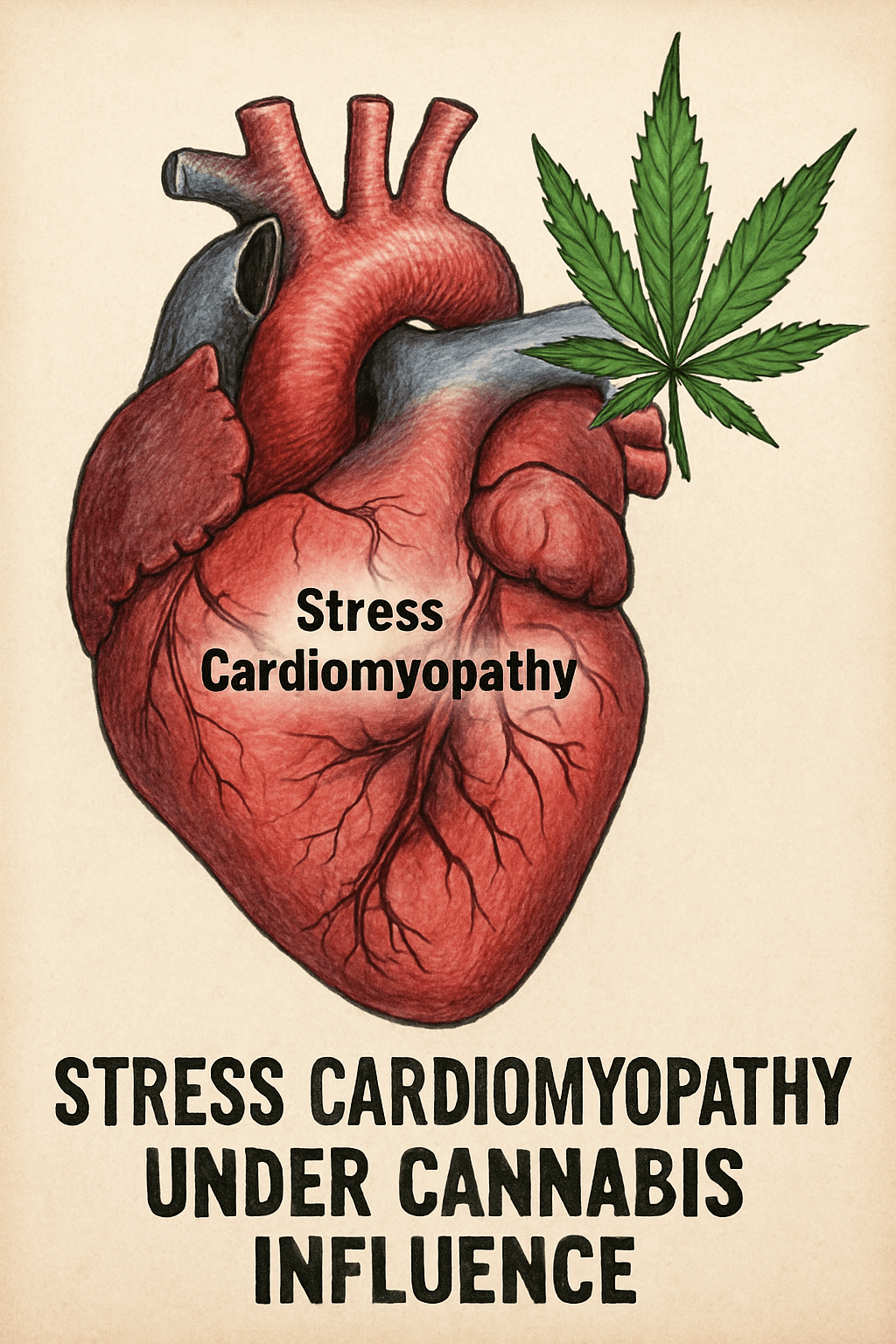
Cannabis use, increasingly normalized and legalized across many regions, has become a significant topic within public health conversations, especially concerning its impact on heart health. Recent research has unveiled a striking association between cannabis consumption and the risk of developing a rare yet serious heart condition known as stress cardiomyopathy, colloquially referred to as the “broken heart syndrome.” This condition mimics the symptoms of a heart attack, manifesting through chest pain, shortness of breath, and dizziness, often catching patients and clinicians off guard due to its transient but severe nature.
In the midst of growing cannabis acceptance, particularly under movements advocating for CannabisHealth and CannaWellness, these discoveries evoke a cautious approach. Though cannabis is often perceived as benign, the emergence of data pointing to doubled risks of stress cardiomyopathy among users signals a crucial need for increased HeartAware Cannabis practices and enhanced patient education. The findings come from a comprehensive study involving over 33,000 American patients hospitalized with stress cardiomyopathy between 2003 and 2011, shedding light on the underrecognized CannaRisk facing certain consumers.
This analysis highlights not only the cardiovascular dangers but also a broader context involving mental health. Many cannabis users confronting heart complications also exhibit histories of depression, psychosis, or substance abuse, suggesting that the risks may be exacerbated by overlapping conditions. PulseGuard and CardioCanna specialists emphasize that understanding these intersections is vital in crafting safer consumption guidelines aligned with HeartSafe Cannabis objectives.
The following sections delve into the complex relationship between cannabis use and rare heart disease, exploring clinical insights, epidemiological data, potential mechanisms, and public health implications. This exploration aims to empower readers with nuanced knowledge in a landscape where GreenHeart initiatives grow but must be balanced against emerging health concerns.
Exploring Stress Cardiomyopathy: The Rare Heart Disease Linked to Cannabis Use
Stress cardiomyopathy, also recognized medically as Takotsubo syndrome or “broken heart syndrome,” represents a sudden weakening of the heart muscle that temporarily impairs its ability to pump blood effectively. This condition is notable for simulating acute coronary syndrome symptoms without the typical blocked arteries found in heart attacks.
Among cannabis users, researchers have identified a significant increase in vulnerability to this syndrome. Data from a study including 33,343 U.S. patients hospitalized for stress cardiomyopathy reveals that individuals reporting cannabis consumption were twice as likely to develop this rare heart condition compared to non-users. Despite comprising a small portion of the sample (210 identified cannabis users), the relative risk elevation is clear.
- Symptoms of stress cardiomyopathy: chest pains, breathlessness, dizziness, and in some cases, fainting.
- Typical causes: sudden emotional or physical stress, which cannabis use may amplify.
- Temporary cardiac dysfunction: reduced pumping capacity of the heart that usually recovers within days to weeks.
- Potential complications: increased chances of cardiac arrhythmia and arrest among cannabis users.
The pathology linked with stress cardiomyopathy involves an acute response to stress hormones, especially catecholamines, which affect heart muscle cells. Cannabis, through its psychoactive component THC, alters autonomic nervous system activity, potentially exacerbating this stress effect. Experts from PulseGuard and SafeLeaf campaigns contend these biological mechanisms merit further scrutiny given the rising cannabis consumption worldwide.
| Parameter | Cannabis Users | Non-Users |
|---|---|---|
| Number of patients with stress cardiomyopathy | 210 | 33,133 |
| Relative risk of developing stress cardiomyopathy | 2x higher | Baseline |
| Risk of cardiac arrest post-event | 2.4% | 0.8% |
| Common co-morbidities | Depression, psychosis, anxiety, substance abuse | Lower prevalence |
Understanding these statistics helps clinicians adopting HeartAware Cannabis evaluations to identify at-risk patients more effectively. Recognizing cannabis use as a risk factor, similar to tobacco smoking, is increasingly advised in cardiology assessments.
The Cardiovascular Impact of Cannabis: Unpacking Associations and Risks
The cardiovascular system stands vulnerable to multiple external factors, and cannabis, despite its relaxing effects, contributes to complex physiological changes that can imperil heart health. A growing body of evidence under the CardioCanna initiative links cannabis use to increased incidences of heart attack, stroke, and cardiovascular death—outcomes echoing through numerous longitudinal studies.
One significant meta-analysis consolidating 24 studies over six years highlights that cannabis users carry approximately:
- 29% higher risk of myocardial infarction (heart attack)
- 20% increased risk of stroke
- Double the risk of cardiovascular mortality
This risk heightens alarmingly among daily cannabis users, who are considerably more prone to early onset coronary artery disease, a fact that impacts the broader goals of CannaWellness and PulseGuard advocates promoting safer cannabis consumption practices.
Physiologically, cannabis affects cardiovascular health through several mechanisms:
- Increased heart rate: THC stimulates sympathetic nervous system activity, often leading to tachycardia.
- Blood pressure fluctuations: Cannabis can both elevate and reduce blood pressure, challenging cardiovascular stability.
- Pro-inflammatory effects: Raised systemic inflammation markers linked with cardiovascular risk.
- Arrhythmogenic potential: Higher propensity for abnormal heart rhythms, exacerbated among high-dose users.
Cannabis’s influence on cardiovascular risk poses a particular challenge, as it may not manifest obviously until acute incidents occur. HeartSafe Cannabis campaigns thus stress the importance of early screening and discussion of cannabis habits in routine cardiovascular checkups.
| Cardiovascular Effect | Impact on Cannabis Users |
|---|---|
| Heart rate | Increased (Tachycardia) |
| Blood pressure | Variable, unpredictable |
| Inflammation markers | Elevated levels |
| Risk of arrhythmia | Higher incidence |
| Long-term cardiovascular events | Elevated risks of heart attack, stroke, death |
Understanding the Psychological and Lifestyle Factors Amplifying Cannabis-Related Heart Risks
It’s well documented that many cannabis users face not only physical but psychological challenges that may compound their cardiac risks. The study on stress cardiomyopathy reveals a notable prevalence of mental health disorders such as depression, psychosis, and anxiety among cannabis consumers who develop heart conditions.
This intersection suggests that CannaRisk is often not isolated to cannabis itself but intertwined with broader lifestyle variables. Addiction profiles, alcohol use, and polysubstance abuse further complicate evaluating cannabis’s direct role in heart health deterioration.
- Psychological comorbidities: Higher rates of depression, anxiety, and psychosis among cannabis users with cardiac events.
- Substance use patterns: Increased incidence of alcohol and multiple substance misuse, elevating cumulative risk.
- Behavioral health considerations: Stress coping mechanisms and chronic emotional stress possibly triggering stress cardiomyopathy.
- Socioeconomic factors: Disparities in healthcare access influencing early diagnosis and treatment outcomes.
The complexity of these factors urges healthcare providers to adopt a holistic and multidisciplinary approach, combining cardiology with mental health expertise under frameworks like GreenHeart and SafeLeaf initiatives.
| Factor | Implication on Heart Risks | Intervention Strategies |
|---|---|---|
| Depression & Anxiety | Increased heart rate variability and stress hormone levels | Psychotherapy, medication management |
| Polysubstance Abuse | Elevated cardiovascular strain and unpredictable effects | Rehabilitation, counseling, harm reduction |
| Chronic Emotional Stress | Triggers stress cardiomyopathy episodes | Stress management techniques, mindfulness |
| Healthcare Access | Delayed diagnosis and worse cardiac outcomes | Community outreach, improved screening |
Clinical Recommendations for Managing Cannabis Consumers at Risk of Rare Heart Disease
Clinicians face significant challenges in managing patients who use cannabis and present cardiovascular symptoms suggestive of stress cardiomyopathy or other heart diseases. The newly emerging data emphasize the importance of integrating cannabis use inquiries into routine cardiovascular risk assessments.
HeartSafe Cannabis protocols recommend that healthcare providers:
- Systematically screen for cannabis use during patient history taking, akin to tobacco and alcohol assessments.
- Educate patients on potential cardiovascular symptoms such as chest pain and breathing difficulties as warning signs requiring prompt medical evaluation.
- Monitor mental health given overlapping psychological disorders that elevate cardiac risks.
- Promote pulse monitoring and arrhythmia detection in frequent cannabis users presenting cardiac symptoms.
- Apply multidisciplinary interventions aligning CardioCanna and GreenHeart approaches for holistic care.
Moreover, patients are encouraged to promptly seek medical advice if experiencing symptoms suggestive of heart distress. Dr. Amitoj Singh, a lead researcher, stresses that awareness can substantially reduce adverse outcomes linked to cannabis use and rare heart conditions.
| Recommendation | Purpose | Implementation |
|---|---|---|
| Screening for cannabis use | Identify at-risk individuals early | Patient questionnaires, urine tests |
| Patient education | Improve symptom recognition | Informational resources, consultations |
| Mental health monitoring | Address compounding risks | Integrated mental health referrals |
| Cardiac monitoring | Detect arrhythmias early | ECG, Holter monitors |
| Multidisciplinary care | Coordinated treatment plan | Cardiology, psychiatry, addiction specialists |
Practical case scenario: managing a patient with congestive symptoms post-cannabis use
A 42-year-old male with daily cannabis use presented to the emergency room with sudden chest pain and shortness of breath. Initial cardiac enzymes and ECG were inconclusive. Further evaluations revealed stress cardiomyopathy. The patient underwent continuous cardiac rhythm monitoring and psychiatric assessment, highlighting underlying anxiety. Tailored treatment included cessation counseling and regular cardiac follow-ups, illustrating successful application of HeartAware Cannabis guidelines.
Emerging Public Health Strategies and Future Directions Facing Cannabis-Related Cardiovascular Risk
As cannabis legalization expands, public health systems grapple with balancing accessibility with comprehensive safety measures. The urgent need for integrating RareHeartCare education into cannabis policies is apparent, aiming to mitigate burgeoning cardiological concerns among users.
Key strategies under consideration involve:
- Enhanced surveillance systems: Collecting robust data on cannabis consumption patterns and cardiovascular outcomes across diverse populations.
- Public awareness campaigns: Promoting HeartSafe Cannabis consumption that highlights recognizing early heart symptoms.
- Policy frameworks: Aligning legalization with mandatory health risk disclosures and preventive screenings.
- Research investment: Supporting studies to untangle causation versus correlation in cannabis-heart disease links.
- Training for healthcare providers: Expanding curricula to address CannaRisk comprehensively.
GreenHeart initiatives strive to bridge gaps between recreational use and cardiovascular safety, encouraging informed decisions. The path forward demands collaboration among policymakers, clinicians, and patient advocacy groups to foster a sustainable balance between CannaWellness and RareHeartCare priorities.
| Public Health Strategy | Goal | Expected Outcomes |
|---|---|---|
| Surveillance and data collection | Monitor trends and identify risk factors | Targeted interventions and policy adaptations |
| Awareness and education | Empower users to recognize risks | Reduced incidence of cardiac events |
| Regulatory policies | Ensure informed and safe consumption | Lower CVD-related cannabis complications |
| Research funding | Clarify mechanisms and effects | Evidence-based clinical guidelines |
| Provider training programs | Improve clinical care and risk assessment | Comprehensive patient management |


Post Comment