Seattle Aims to Make Another Push for Legal Cannabis Delivery Services

The city of Seattle is gearing up for a renewed effort to legalize cannabis delivery services across the entire state of Washington. This approach marks a significant shift from past attempts that concentrated delivery permissions exclusively within Seattle’s city limits. With evolving marijuana laws and increasing advocacy for safe, regulated cannabis access, local government officials believe expanding legal delivery could address public health concerns, promote equity, and stimulate the growing cannabis industry. While previous legislative attempts faltered, the new proposal aims to navigate regulatory nuances more adeptly, implementing strict guidelines for transportation and branding to reduce risks such as theft and illicit sales. Understanding this initiative’s broad implications reveals how Seattle and Washington may pioneer next-generation cannabis regulations, potentially setting a national standard for legal cannabis delivery services.
Seattle’s Renewed Effort to Legalize Cannabis Delivery: Expanding Access Across Washington State
Seattle’s push to legalize cannabis delivery services statewide represents a strategic evolution in marijuana laws, aiming to blend public health priorities with robust regulation. Unlike the 2016 proposal that focused narrowly on a five-licensed-seller pilot program limited to Seattle, this new legislative approach encompasses the entire jurisdiction of Washington state, a move designed to increase accessibility and inclusivity. Seattle’s local government, led by influential figures such as City Attorney Pete Holmes, emphasize how legal cannabis delivery can reduce unsafe behaviors, especially impaired driving related to cannabis or alcohol use.
Legal cannabis delivery is perceived as a logical progression for Washington’s cannabis industry, which has matured since state-legal sales began in 2012 but lacked authorized delivery models. Illegal delivery services have surfaced in the interim, complicating enforcement and public health campaigns. Seattle officials argue that regulated delivery will better control quality, quantity, and safety of cannabis products reaching consumers, including medical users with mobility challenges or older adults.
Several key factors drive this legislative initiative:
- Reducing impaired driving: Enabling consumers to receive legal cannabis at home discourages risky behaviors like driving under the influence, bolstering public safety.
- Supporting medical cannabis patients: Delivery services can provide convenient access to those with disabilities or health issues, expanding healthcare equity.
- Promoting cannabis tourism: Legal delivery options enhance the experience of out-of-state visitors who lack personal transport, positioning Washington as a cannabis-friendly destination.
- Strengthening regulation and enforcement: Clear delivery standards can eliminate illicit couriers and provide transparent business practices within the cannabis market.
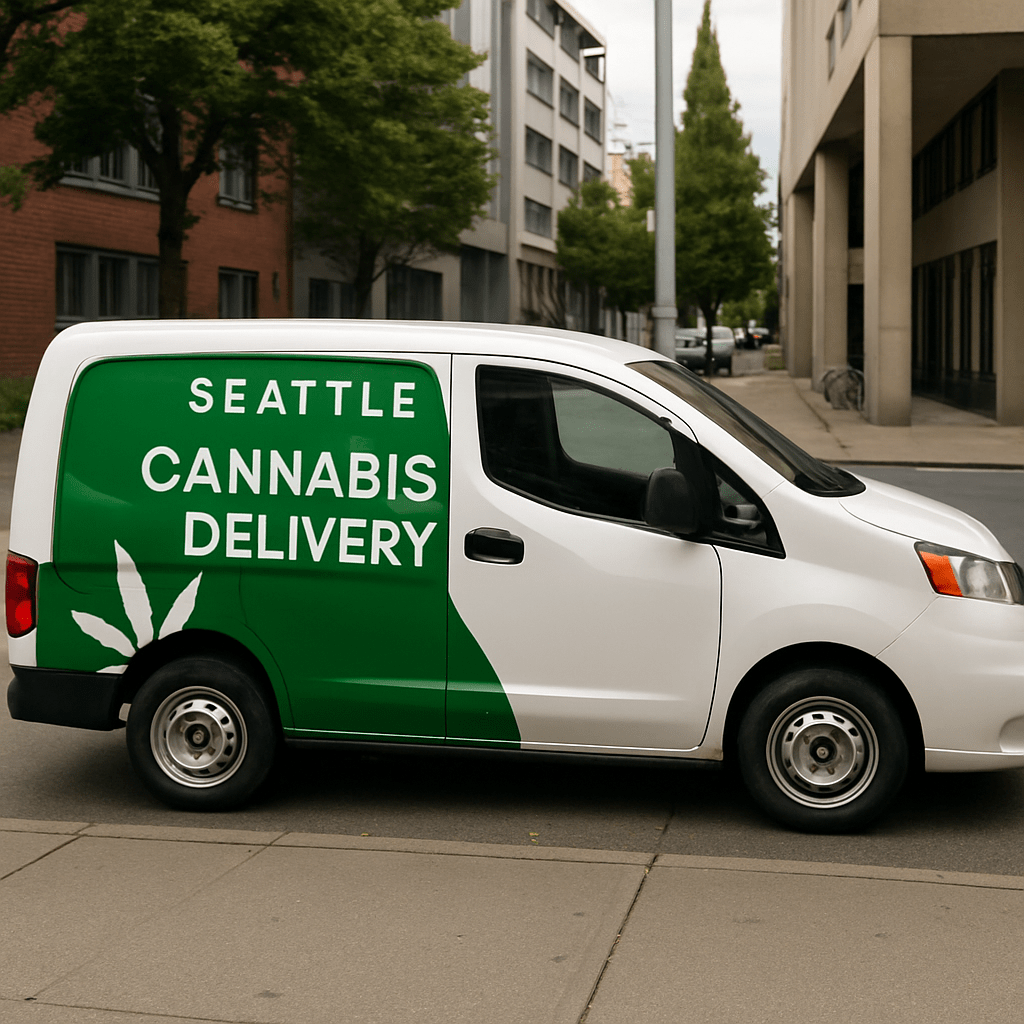
This broader delivery initiative is designed to fix shortcomings from the earlier bill, adjusting the regulatory framework to address community safety and commercial viability. For instance, one important regulatory detail excludes bicycle deliveries to diminish theft risks, and also restricts business branding on delivery vehicles to protect worker safety. Delivery vehicles must be enclosed and discreet, differing vastly from openly marked scooters. Such restrictions aim to strike a balance between service convenience and risk mitigation.
Seattle’s ambition to expand cannabis delivery services exemplifies how evolving legalization efforts continually adapt to industry realities and public concerns. This stance underscores the dynamic interplay between progressive legalization and prudent regulation, as cities confront the challenges of integrating cannabis into mainstream commerce responsibly.
| Feature | 2016 Proposal | 2025 Proposal |
|---|---|---|
| Geographic Scope | Seattle city limits only | Entire state of Washington |
| Number of Licensed Sellers Allowed | 5 sellers within Seattle | Not specified, broader industry participation |
| Delivery Transportation | Limited specifics | Bicycle delivery prohibited; enclosed vehicles required |
| Vehicle Branding | Unrestricted | Branding limits to enhance safety |
| Focus Areas | Equity pilot program | Public safety, accessibility, tourism promotion |
Balancing Public Health and Safety Concerns in Cannabis Delivery Regulation
Being at the forefront of cannabis legalization requires Seattle’s local government to carefully weigh public health against expanding access. The burgeoning cannabis industry brings economic benefits but must also address social and safety concerns. A critical aspect of the delivery legalization debate focuses on reducing impaired driving incidents, a persistent public safety challenge.
Pete Holmes, Seattle’s City Attorney, stresses that the delivery service aims as a form of harm reduction. Recognizing that individuals consume cannabis and alcohol regardless of legal frameworks, providing a safe alternative to consuming and then driving is key. Delivery services support this by minimizing the need to travel after consumption, thus lowering the chances of accidents caused by impairment.
Another important public health dimension is the accessibility of medical cannabis. Patients with chronic pain, neurological disorders, or other debilitating conditions often experience mobility difficulties that inhibit their ability to visit dispensaries. Legal cannabis delivery can therefore serve as an essential service, bridging gaps in access and contributing to patients’ well-being.
Regulating delivery also strengthens control mechanisms surrounding product quality and potency. Licensed dispensaries remain accountable, and delivery operators adhere to stringent protocols, thereby reducing opportunities for unregulated or unsafe products to enter the market. This contrasts starkly with the underground delivery services, which expose consumers to unknown substances with potential health risks.
Key public health and safety considerations driving the regulation include:
- Impaired driving prevention: Encouraging home delivery reduces the hazards associated with cannabis or alcohol consumption followed by vehicle operation.
- Access for vulnerable populations: Delivery enhances convenience for seniors and individuals with disabilities.
- Control of substance quality: Licensed businesses ensure compliance with potency and safety standards.
- Illegal market reduction: Authorized delivery limits black-market overlap and unregistered couriers.
- Consumer education and awareness: Legal delivery platforms often integrate information, linking to resources like educational cannabis knowledge tests.
The legislative effort acknowledges that successful regulation must merge safety, equity, and economic objectives, creating a sustainable and responsible cannabis delivery model. Washington’s approach could stand as a blueprint for other states wrestling with similar questions about integrating cannabis into formal commerce while preserving community health.
| Public Health/Safety Factor | Regulation Impact |
|---|---|
| Impaired Driving | Reduced risk due to home delivery options |
| Product Safety | Enforcement of licensing and quality standards |
| Access Equity | Enables patients and mobility-limited customers |
| Illegal Market Reduction | Decreases unregulated cannabis deliveries |
| Consumer Education | Improved knowledge and safer consumption practices |
Economic Implications of Legal Cannabis Delivery for Seattle’s Cannabis Industry
The economic potential of legalized cannabis delivery in Seattle and Washington State is considerable. The cannabis industry, which is one of the fastest-growing sectors in the region, can expect to see an invigorated retail environment as delivery services become authorized and integrated within the legal framework. Expanding delivery rights removes barriers for dispensaries to maximize sales and compete effectively, especially against illicit delivery services that have thrived amid regulatory gaps.
Legal cannabis delivery broadens market reach, allowing dispensaries to serve customers unwilling or unable to visit physical storefronts. This includes medical patients, elderly consumers, and tourists, thereby driving up demand and profit margins while promoting industry stability.
Furthermore, legalizing delivery helps level the playing field for licensed operators. Illicit delivery outfits historically undercut prices and operated without oversight, creating unfair competition and compromising safety standards. With regulation, the city hopes to facilitate an equitable, transparent market that supports minority-owned and small businesses, following social equity priorities integral to Seattle’s cannabis industry strategy.
Several economic advantages emerge from regulated cannabis delivery:
- Increased sales volumes: Delivery expands customer base beyond walk-in patrons.
- Job creation: New delivery jobs and ancillary service roles develop around legal platforms.
- Tax revenue enhancement: Properly tracked transactions improve tax collections supporting community programs.
- Support for social equity: Encouragement of minority and affected community participation in legal cannabis commerce.
- Tourism stimulation: Attractive cannabis tourism boosts local hospitality sectors.
Seattle’s renewed delivery proposal fits within broader regional and national trends toward modernizing cannabis regulations, with potential spillover effects in other industries such as tech-driven logistics innovation and retail marketing.
| Economic Impact Area | Expected Benefits |
|---|---|
| Retail Sales Growth | Broader market access and increased transactions |
| Employment | Creation of jobs in delivery, compliance, and logistics |
| Tax Revenue | Higher collections supporting public services |
| Social Equity | Enhanced participation of disadvantaged groups |
| Tourism | Expanded cannabis tourism opportunities |
Regulatory Challenges and Solutions in Implementing Legal Cannabis Delivery Services
Despite the optimistic outlook, several regulatory challenges complicate the task of formalizing legal cannabis delivery across Washington State. Seattle officials have learned lessons from past setbacks when a 2016 pilot program failed to gain legislative footing. Overcoming barriers requires careful planning, stakeholder engagement, and adaptable policies that address safety, commerce, and equity issues without stifling industry growth.
Some of the main regulatory hurdles include:
- Preventing theft and robberies: Delivery drivers often carry cash and cannabis products, making them vulnerable targets. The new law stipulates use of enclosed, unmarked vehicles to mitigate this risk.
- Limiting conspicuous branding: Unlike food delivery services with visible logos, cannabis delivery vehicles must remain discreet to protect drivers.
- Ensuring compliance with product limits: Maximum amounts of cannabis per delivery help curb illegal resale.
- Licensing and verification: Delivery services must strictly verify consumer age and eligibility, especially for medical cannabis users.
- Addressing community concerns: Local opposition rooted in safety or social stigma requires public education campaigns and transparent communication.
The city of Seattle and Washington’s regulatory bodies propose specific guidelines that delivery companies must follow, including mandatory training on best practices for driver safety and product handling. These measures aim to protect workers and consumers alike, establishing a model of responsibility and professionalism within the cannabis industry.
Continued collaboration among lawmakers, industry representatives, law enforcement, and advocacy groups is vital to ensuring the new delivery program’s success. Transparency and adaptability will be key as officials collect data on outcomes and tweak regulations accordingly.
| Regulatory Challenge | Proposed Solution |
|---|---|
| Theft and Robbery | Enclosed vehicles; limited cash and product load |
| Branding Visibility | Restrictions on logos and signage |
| Product Limits | Caps on delivery quantities |
| Age Verification | Strict ID checks and compliance software |
| Community Concerns | Public education initiatives |
The Role of Cannabis Delivery in Shaping Future Marijuana Laws and Local Government Policies
Seattle’s ambitious push to legalize cannabis delivery services statewide touches upon deeper themes in marijuana laws and local government policy. It reflects an overarching impulse toward normalization and systematic regulation of cannabis, moving away from prohibitionist and punitive frameworks that have historically dominated. Incorporating delivery into Washington’s legal cannabis market unlocks new models for commerce that are more adaptable and consumer-friendly.
In a wider policy context, cannabis delivery legalization signals a readiness for local governments to innovate and reconcile competing priorities—public health, economic growth, and social justice. Cities like Seattle confront the challenge of enforcing regulatory frameworks while supporting a vibrant cannabis industry that generates tax revenue and creates jobs.
The integration of delivery services is also a response to trends elsewhere, as numerous states and countries explore or implement similar programs. Seattle’s approach has potential international relevance, with lessons to share about preventing black market expansion and maximizing benefits from a regulated cannabis trade.
As part of this process, local governments must consider the following strategic dimensions:
- Legal harmonization: Aligning state-level marijuana laws with local regulations to streamline compliance.
- Social equity programs: Ensuring that cannabis delivery opportunities benefit communities disproportionately affected by previous drug enforcement policies.
- Public safety integration: Coordinating with law enforcement to oversee safe delivery practices.
- Transparency and monitoring: Collecting data on delivery operations for evidence-based policy decisions.
- Cross-sector partnerships: Collaborating with public health organizations and cannabis industry leaders to cultivate sustainable development.
The push for legalized cannabis delivery in Seattle exemplifies how local governments can adapt marijuana laws to evolving societal and commercial realities, balancing innovation with civic responsibility. These efforts contribute to redefining normative frameworks around cannabis across the United States and beyond.
| Policy Dimension | Key Focus |
|---|---|
| Legal Harmonization | Unified regulations across jurisdictions |
| Social Equity | Inclusion of historically impacted groups |
| Public Safety | Law enforcement partnerships and oversight |
| Transparency | Data collection and reporting |
| Cross-sector Collaboration | Involvement of health and industry stakeholders |


Post Comment