Jean-Luc Mélenchon Advocates for Cannabis Legalization
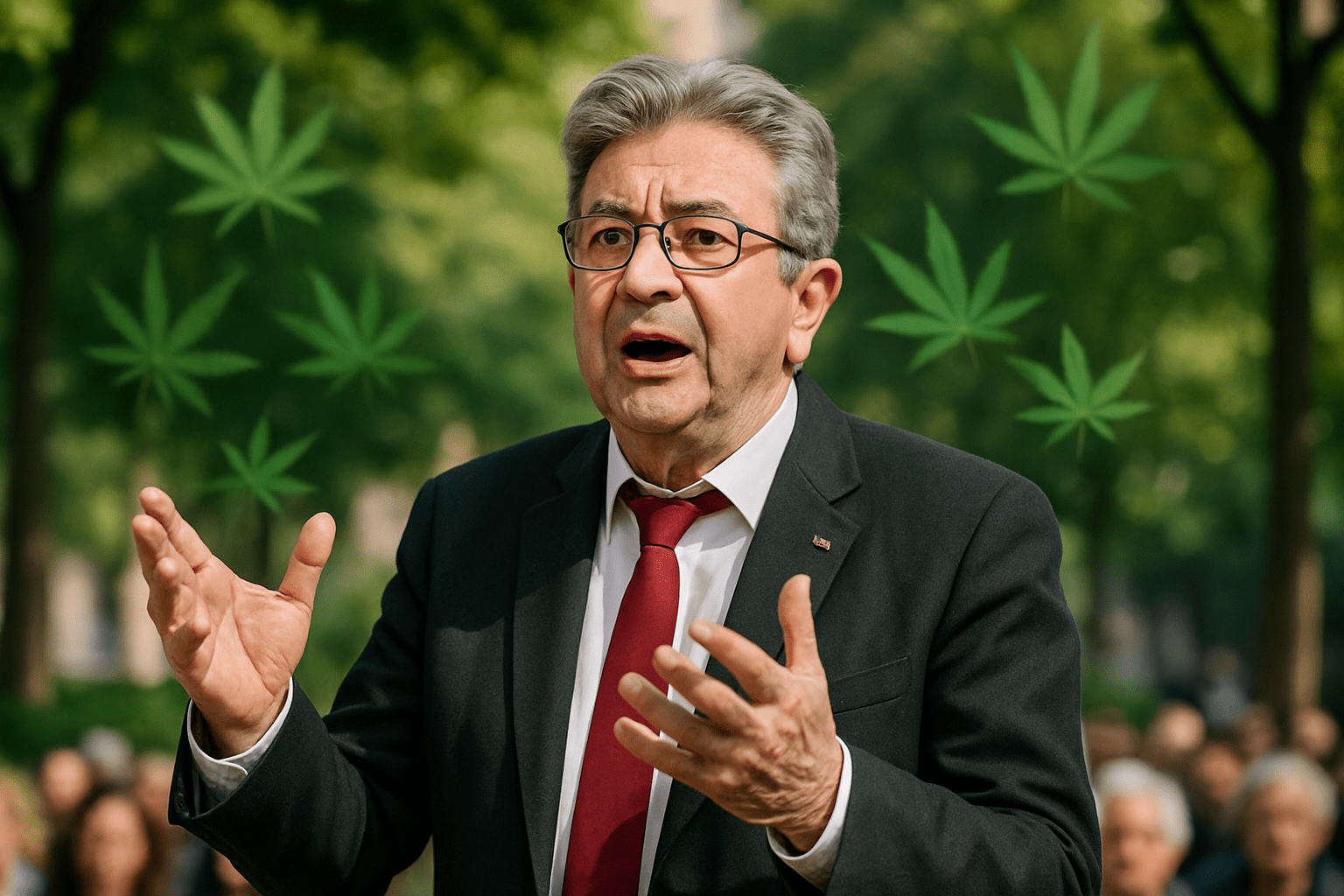
In the evolving landscape of French politics, the push for cannabis legalization has garnered significant attention, with Jean-Luc Mélenchon emerging as a prominent advocate. Known for his progressive stance within French political discourse, Mélenchon’s advocacy for cannabis legalization intertwines public health, social justice, and political reform. His approach challenges traditional drug policies, highlighting the complex balance between regulation, prevention, and combating illicit drug markets. As debates heat up across Europe and beyond, Mélenchon’s position offers a fresh perspective aligned with international trends, including lessons from countries that have pioneered legal cannabis frameworks. This discussion comes amid growing calls for reevaluating the punitive approach to cannabis use, emphasizing harm reduction and state-controlled regulation. The implications for French society are profound, with potential impacts on law enforcement resource allocation, youth prevention programs, and economic opportunities within a regulated cannabis market.
Jean-Luc Mélenchon’s Vision: Cannabis Legalization and Public Health Strategy in French Politics
Jean-Luc Mélenchon’s stance on cannabis legalization embodies a nuanced balance between public health concerns and pragmatic drug policy reform. He famously stated, “I am against cannabis; that is why I am for its legalization,” capturing an approach that prioritizes health outcomes over prohibition. This seemingly paradoxical viewpoint underscores his commitment to reducing harm through regulation rather than criminalization.
One of Mélenchon’s core arguments centers on the prevention campaigns, which remain largely inadequate due to the current illegality of cannabis. Unlike tobacco products that come with strict warnings and campaigns that evolve with new health insights, cannabis remains a neglected area in terms of public education under current law. The lack of legal channels prevents structured nationwide prevention programs aimed at youth and vulnerable populations. For example, existing supports such as “Consultations Jeunes Consommateurs” are voluntary and fragmented, lacking the reach and impact necessary to address early cannabis use effectively.
This situation contrasts sharply with countries that have pioneered regulation, where public health strategies include stringent advertising restrictions, age limits, and mandatory education on cannabis risks. Mélenchon advocates for a robust legalization framework that would enable France to develop these crucial tools, supporting user safety by enforcing product quality controls and THC concentration limits.
- Implementation of targeted youth education campaigns with scientific backing
- Establishment of regulated distribution systems reducing unregulated market risks
- Mandatory quality control ensuring consistent THC levels to minimize overdose risk
- Creation of accessible public health consultations focused on addiction prevention
| Public Health Focus | Current Situation in France | Projected Benefits under Legalization |
|---|---|---|
| Youth Prevention | Voluntary and inconsistent; minimal campaigns | Standardized nationwide education programs |
| Product Safety | Unregulated products with unknown potency | Quality controls limiting THC to regulated levels |
| Addiction Support | Limited consultation services, voluntary only | Expanded public health resources and addiction treatments |
| Public Awareness | Low due to prohibition | Enhanced awareness through state-sponsored campaigns |
This shift in approach aligns closely with recommendations from French human rights bodies and builds upon international experiences that demonstrate the efficacy of combining legalization with comprehensive public health measures.
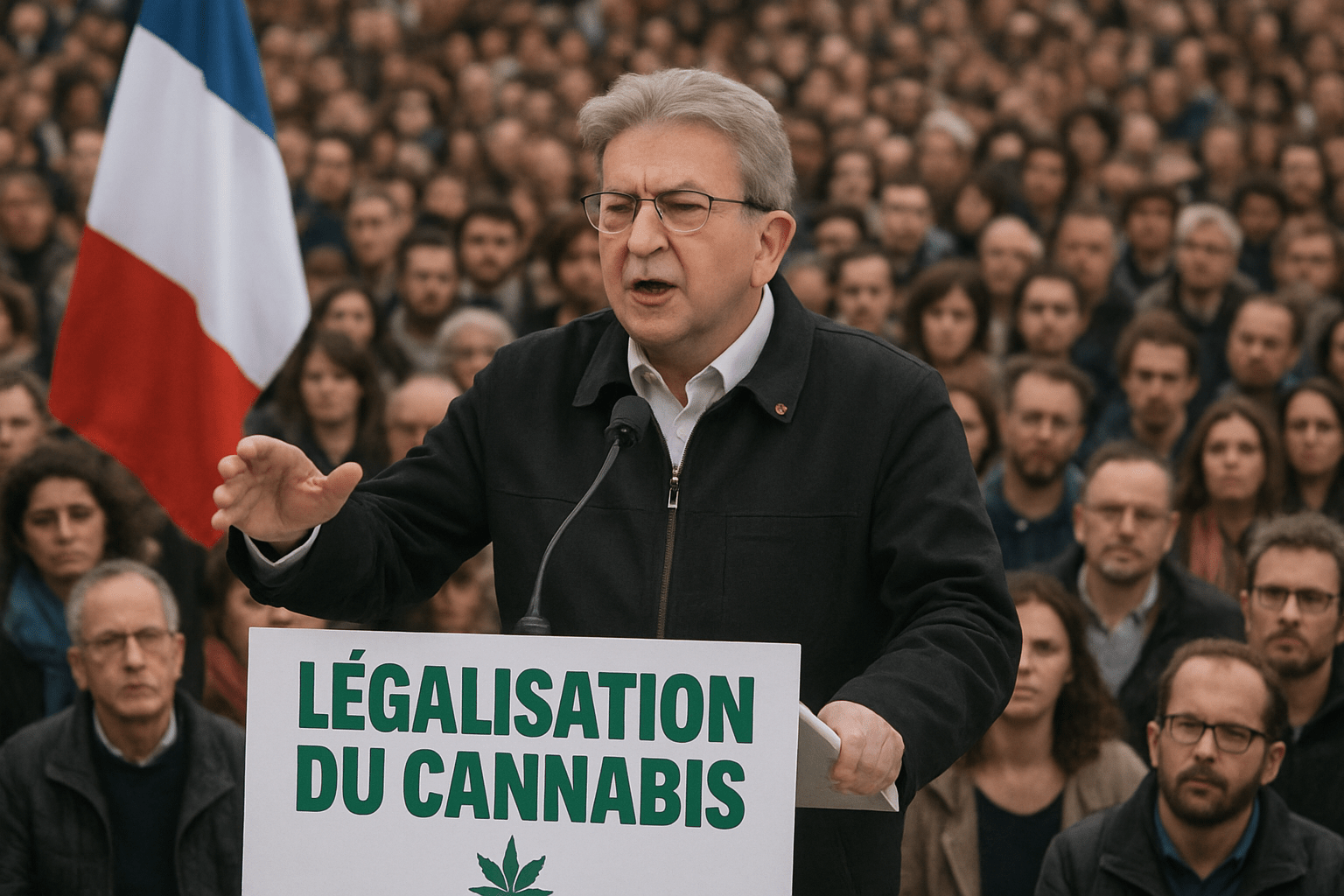
The Fiscal and Regulatory Implications of Legal Cannabis in France
Legal cannabis opens new fiscal avenues while demanding carefully designed regulatory structures. Mélenchon draws parallels to Uruguay’s state monopoly model under President Pepe Mujica, advocating similar control to limit market excess and fund social programs. The French drug enforcement budget allocates an estimated €568 million annually to combating cannabis trafficking, diverting crucial resources from other law enforcement priorities. Redirecting these funds towards a regulated market would bolster public programs and reduce criminal networks profiting from illicit cannabis sales.
Regulation under a state-controlled model could:
- Generate significant tax revenue earmarked for addiction prevention and education
- Disrupt illegal supply chains linked to organized crime
- Enable transparent pricing to undercut black markets
- Create jobs within the legal cannabis industry and associated sectors
| Cost Category | Current Annual Expenditure | Projected Savings and Revenue |
|---|---|---|
| Law Enforcement | €568 million targeting cannabis | Reduced policing costs due to regulation |
| Social Programs | Limited funding from general budgets | Dedicated tax revenue funding prevention & health |
| Economic Impact | Minimal legal market activity | Economic growth through taxation and job creation |
This fiscal reallocation aligns with similar efforts elsewhere, such as recent legislative moves in Pennsylvania, where cannabis law reforms generate revenue for social programs. Mélenchon’s approach conceives a tightly managed system focused on maximizing social returns while minimizing risks.
Combatting the Drug Market and Criminal Networks through Cannabis Legalization Advocacy
Jean-Luc Mélenchon highlights the significant strain that the illicit cannabis trade places on French law enforcement and judicial systems. With the ongoing criminalization, the shadow economy surrounding cannabis supplies benefits organized crime, leading to violence, corruption, and increased public health risks.
Legal cannabis would allow the state to reclaim regulatory control, providing a legal alternative that constricts illicit networks. This approach mirrors a global trend capturing the attention of European nations collaborating on cannabis policies, as outlined in recent discussions in Germany, aiming to harmonize legal frameworks to reduce cross-border trafficking.
Key actions in such a framework include:
- Enforcement focusing on high-level traffickers instead of users
- State-monitored supply chains ensuring quality and safety
- Community reinvestment programs targeting areas affected by drug-related crime
- Legal protections for consumers and reduction in cannabis-related stigma
| Drug Policy Aspect | Criminalization Era | Under Legalization Model |
|---|---|---|
| Law Enforcement Focus | Broad targeting of users and low-level dealers | Focus on organized crime and trafficking networks |
| Market Control | Illicit black market dominates | State-monopoly or licensed private markets |
| Community Impact | Increased violence and social harm | Programs supporting reintegration and development |
| User Rights | Criminal penalties and social stigma | Legal access and consumer protections |
Mélenchon’s framing insists that drug policy must transcend punitive measures and instead aim for holistic social justice outcomes, as detailed in new research on cannabis legalization and social equity. By turning legal cannabis into a tool for community investment and crime reduction, the policy has the potential to repair some of the social fractures caused by decades of prohibitionist policies.
Challenges and Questions Surrounding Cannabis Regulation under Mélenchon’s Presidency
Despite strong advocacy, certain complexities remain regarding how cannabis legalization would be operationalized under Mélenchon’s leadership. Critics have raised pertinent questions around prevention for minors, support for heavy users, THC concentration regulation, and potential home cultivation rights.
While Mélenchon openly admits the vast policy scope, his responses emphasize the necessity of placing public health and safety at the core. However, the following areas remain open for policy elaboration:
- Youth prevention strategies: Which specific educational approaches will be employed to effectively reduce underage cannabis use?
- Support for overconsumption: How will the state assist individuals struggling with cannabis dependence in a legalized environment?
- THC regulation: What limits on THC concentration will be imposed to safeguard consumer health?
- Autoculture rights: Will personal cultivation of cannabis be permitted under regulated conditions?
- Distribution and quality control: What mechanisms will govern cannabis distribution channels, ensuring consumer rights and product safety?
These outstanding questions mirror challenges faced by other jurisdictions experimenting with cannabis legalization. Canada’s evolving model, detailed in recent Canadian reports, offers valuable lessons on balancing access with caution.
| Policy Question | Considerations | Examples from Other Countries |
|---|---|---|
| Youth Prevention | Mandatory age limits and education programs | Canada’s national awareness campaigns |
| Dependence Support | Counseling services and medical supervision | Uruguay’s addiction treatment integration |
| THC Regulation | Caps on THC percentage in products | Germany limits THC to 15% |
| Autoculture | Personal cultivation up to a certain number of plants | Canada and several U.S. states allow it |
| Distribution Control | State monopoly versus licensed dispensaries | Uruguay’s government monopoly; Canada’s licensed retailers |
Mélenchon’s continued engagement with these issues highlights his pragmatic adaptation, reflecting lessons from international cannabis legalization efforts. His evolving position signals an openness to incorporate studied, evidence-based policy frameworks into French politics.
Jean-Luc Mélenchon’s Role in Driving Cannabis Legalization within Broader Political Reform and Social Justice
Beyond the health and regulatory dimensions, Jean-Luc Mélenchon views cannabis legalization as a significant component of broader social justice and political reform within France. For Mélenchon and his party La France Insoumise, the drug policy debate intersects with issues of inequality, criminal justice reform, and human rights.
By dismantling prohibitionist frameworks, the policy aims to:
- Address disproportionate arrests and convictions of marginalized communities for cannabis offenses
- Redirect law enforcement resources toward serious crimes
- Foster economic inclusion through legal cannabis enterprises accessible to diverse populations
- Promote human rights by respecting individual freedoms and reducing stigma
| Social Justice Element | Impact of Current Policies | Anticipated Change with Legalization |
|---|---|---|
| Criminal Justice Disparities | High incarceration rates for minor cannabis offenses | Reduced arrests and expungement of records |
| Economic Opportunities | Illicit markets exclude legal participation | Job creation and inclusive market access |
| Human Rights | Penalties infringe on personal freedoms | Protection of civil liberties and consumer rights |
| Public Awareness | Lack of informed debate on cannabis use | Open dialogue and evidence-based policy |
This multidimensional framing aligns with international conversations about cannabis legalization’s role in advancing social equity, supported by comparative studies such as those found on European cannabis legalization forums. Mélenchon’s advocacy forms part of a larger effort to modernize drug policy as an instrument for societal betterment, not merely regulation.


Post Comment