World’s Largest Cannabis Facility Set to Rise in a Small Canadian Village
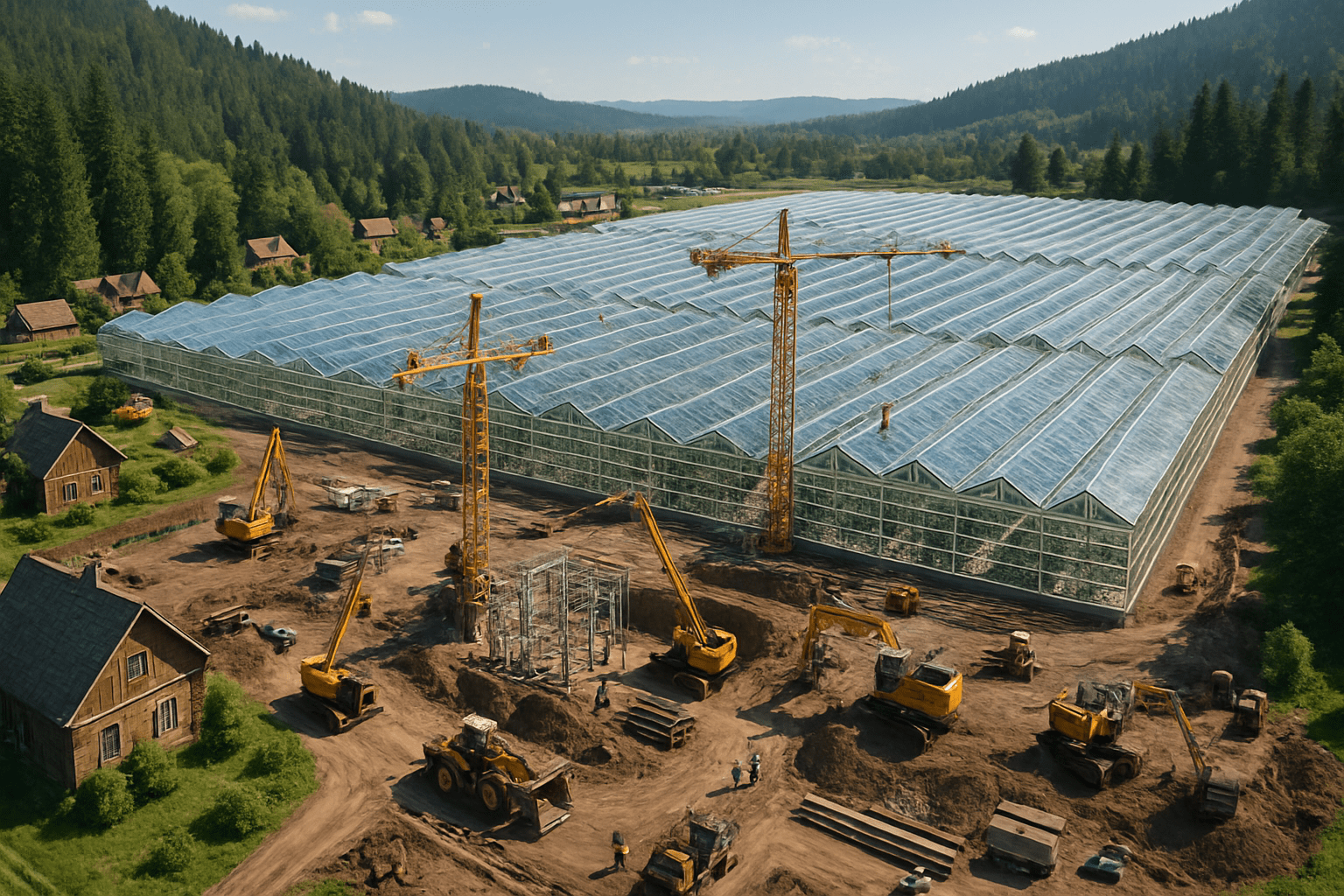
In the quiet heart of Alberta, a small village with fewer than 500 inhabitants is poised to become the epicenter of the global cannabis cultivation industry. Cremona, previously known for its peaceful agrarian lifestyle, is now making headlines as the site for what could be the world’s largest cannabis production facility. Currently, the Aurora Cannabis plant operates as Alberta’s only licensed cannabis producer, supplying about seven tons annually to approximately 15,000 medical consumers. However, a bold expansion plan aims to redefine both the scale and sophistication of cannabis agriculture in Canada, blending cutting-edge greenhouse technology with stringent environmental controls.
This bold initiative is more than just a local development; it symbolizes a pivotal shift in the cannabis industry as Canada transitions deeper into legalized production with ambitions to dominate international markets. Aurora Cannabis aims not just to increase output but to pioneer a hybrid greenhouse model inspired by Dutch designs, featuring a closed-loop system to tightly regulate heat and humidity. Such precision agriculture techniques promise to lower operational costs dramatically, leveraging automation to boost efficiency. Approval from the local council, despite a divided debate, indicates community willingness to embrace this transformative project.
Beyond its immediate economic benefits, the facility’s evolution reflects a broader trend in cannabis cultivation—where agricultural innovation meets public health frameworks and international trade opportunities. As Aurora prepares to ramp up production, the Canadian cannabis industry eyes expansion into new territories, including fulfilling therapeutic cannabis demand in Europe and serving markets in US states yet to develop their own production capabilities. This article will explore various dimensions of this ambitious project, providing insights into cannabis facility design, operational strategies, regulatory challenges, and broader industry implications.
Advanced Cannabis Cultivation Techniques Driving the World’s Largest Greenhouse in Canada
The announcement of the massive expansion in Cremona marks a revolutionary advancement in cannabis agriculture, integrating state-of-the-art greenhouse technologies to optimize cultivation. Aurora Cannabis is set to transform an area equivalent to ten football fields into a sophisticated indoor cannabis plantation — potentially the most efficient in the world.
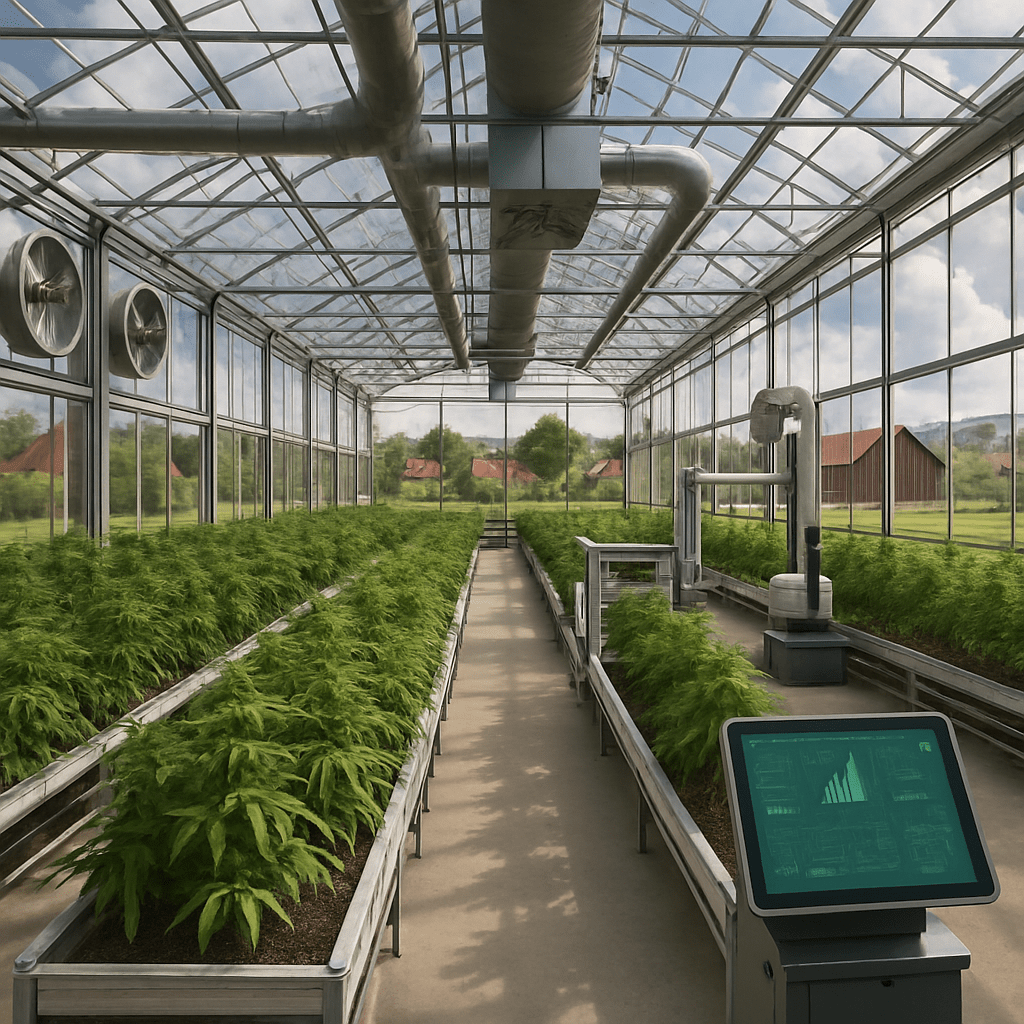
At the core of this transformation lies the innovative hybrid greenhouse design, combining natural sunlight with artificial growth environments to maximize yield and quality. This approach is modeled on successful Dutch cultivation methods, including integrated climate control systems that tightly regulate temperature, humidity, and carbon dioxide levels.
Key features of the cultivation facility include:
- Closed-loop environmental control systems – These maintain an ideal microclimate, protecting plants from pests and extreme weather, which also aligns with insights from temperature control systems research.
- Automated growing operations – Robotics and AI monitor plant health, water nutrients, and growth rates to reduce labor costs and human error.
- Hybrid light systems – Utilizing solar gain during the day paired with LEDs at night, optimizing photosynthesis cycles.
- Resource-efficient irrigation and nutrient delivery – Minimizing water usage and waste, applying precision agriculture techniques common in hemp and cannabis farming.
This amalgamation of technology not only aims to lower operational costs compared to global competitors but also serves as a model for sustainable, large-scale cannabis agriculture that other facilities worldwide will likely emulate. The ability to tightly manage variables such as heat and humidity reduces crop loss risks—crucial for medical-grade cannabis production, which is subject to stringent Health Canada standards.
| Aspect | Technology | Benefits |
|---|---|---|
| Climate Control | Closed-loop systems with sensors | Stable environment, pest prevention, yield consistency |
| Automation | Robotic irrigation and monitoring | Reduced labor costs, improved accuracy |
| Lighting | Hybrid natural and LED lighting | Optimized photosynthesis and energy savings |
| Irrigation | Precision hydroponics drip system | Water conservation and nutrient efficiency |
This focus on agricultural innovation underscores the Canadian cannabis industry’s competitive edge as it approaches a dynamic period of market expansion and regulatory evolution.
The Economic and Social Impact of Large-Scale Cannabis Facilities on Small Canadian Villages
The arrival of a groundbreaking cannabis facility in a village like Cremona exemplifies how rural communities can become unexpected hubs within a global industry. With a population hovering around 457, the local economy is set to experience transformative growth fueled by cannabis agriculture.
Aurora Cannabis’s expansion is projected to increase production capabilities that support both domestic and international markets, influencing social and economic landscapes profoundly. This transformation affects various facets of village life:
- Employment Boost: Creation of numerous jobs, including skilled positions in cultivation, facility maintenance, and administrative roles. Automation limits some labor-intensive roles but increases tech-focused positions.
- Infrastructure Development: Upgrades in transportation, utilities, and communication networks accommodate heightened industrial activity.
- Community Revenue: Increased tax base helps fund local services, schools, and health infrastructure, improving quality of life.
- Shift in Social Dynamics: Greater diversity as workers and entrepreneurs are attracted to the village, encouraging cultural exchange and new business ventures.
The approval process was contentious, highlighted by a municipal council vote initially split 3-3 and ultimately passing 4-2 after extended debate. This division mirrors the broader social complexities accompanying cannabis industry growth — balancing economic opportunity against concerns about community character and regulatory compliance.
Ultimately, this project serves as a real-world case study for the integration of large-scale cannabis facilities in rural contexts, offering data and lessons for policymakers and industry leaders alike. The community’s adaptation to this industry expansion will also impact how other regions approach cannabis agriculture development.
| Impact Category | Positive Outcomes | Challenges |
|---|---|---|
| Employment | Job creation, higher wages for skilled workers | Potential for automation replacing manual jobs |
| Infrastructure | Improved utilities and transit | Need for sustainable resource management |
| Economic Growth | Increased tax revenue, new business opportunities | Dependence on a single industry economy |
| Social Changes | Demographic diversification, community engagement | Concerns over shifts in local culture and lifestyle |
Regulatory Framework and Compliance Challenges for Cannabis Facilities in Canada
Operating as one of Alberta’s pioneering licensed producers, Aurora Cannabis’s expansion project must adhere to extensive regulatory frameworks designed to ensure public safety, product quality, and environmental protection. These rules emanate primarily from Health Canada and provincial authorities, covering cultivation, security, packaging, and distribution.
Key regulatory aspects impacting cannabis facilities include:
- Strict Health and Safety Protocols: Facilities undergo rigorous inspections to meet sanitary standards essential for medical-grade cannabis production.
- Security Requirements: Compliance with measures such as access controls, monitoring systems, and secure storage to prevent diversion to illicit markets.
- Environmental Regulations: Waste management, energy use, and water consumption must align with sustainable practices.
- Licensing and Reporting: Maintaining licenses involves frequent reporting on production, inventory, and sales to regulatory bodies.
The commitment to compliance is vital for market credibility, particularly as Canadian producers aim to expand exports—such as supplying legalized European markets. This expansion also demonstrates Canada’s readiness to support a legal cannabis industry that contrasts starkly from the unregulated supply chains it will replace.
| Regulatory Element | Description | Implications |
|---|---|---|
| Health Standards | Facility hygiene, product testing | Ensures consumer safety, quality assurance |
| Security Measures | Surveillance, controlled access | Prevents theft, illegal diversion |
| Environmental Compliance | Sustainable water and energy use | Minimizes ecological footprint |
| Licensing | Regular audits and reports | Regulatory transparency and trust |
With emerging markets in places such as Europe and some US states, the ability of Canadian cannabis producers to meet these robust standards positions them for notable international growth. The regulatory compliance narrative also supports research initiatives, highlighted by latest studies comparing research-grade and commercial cannabis.
International Expansion and Market Opportunities for Canadian Cannabis Producers
The strategic scaling of cannabis cultivation facilities in villages like Cremona reflects Canada’s ambition not only to dominate its domestic market but also to leverage export opportunities globally. Aurora Cannabis, among others, aims to supply medicinal cannabis to international markets, including Europe—where demand is rising quickly following legalization moves.
Canada’s experience and technology in large-scale greenhouse cannabis operations provide a competitive advantage. The controlled environments and hybrid greenhouse designs ensure a high-quality product that can meet the strict import regulations of markets like Germany. The company is also poised to supply US states still building their legal cultivation infrastructures.
- European Medical Cannabis Market: Opportunity to fulfill growing therapeutic demand, with Germany as a key importer.
- US Market Gaps: States lacking legal cultivation infrastructure may rely on Canadian imports initially.
- Research and Development Collaboration: Partnerships with universities and research bodies are expanding, enhancing product innovation and medical applications.
- Sector Diversification: Moves into hemp-derived products and cannabis health supplements widen the consumer base and industry reach, aligned with trends seen at health supplement sectors.
This outward-looking vision exemplifies how investments in the world’s largest cannabis facility are intricately linked to international market strategies. The Canadian cannabis sector has already laid initial groundwork in export logistics and regulatory alignment, facilitating smoother entry into foreign markets and underpinning long-term growth prospects.
| Market | Opportunity | Canadian Advantage |
|---|---|---|
| Europe | High demand for medical cannabis | Advanced cultivation technology and compliance |
| United States | States with delayed cultivation infrastructure | Experience in large-scale production and export |
| Research | Development of new cannabis products | Collaboration with academia and industry |
| Hemp & Health Supplements | Growing consumer wellness trends | Diversified product offerings |
Future Trends and Technological Innovations Shaping Cannabis Agriculture in Canada
As the world’s largest cannabis facility takes shape in Cremona, emerging trends and disruptive technologies are poised to further transform cannabis agriculture across Canada and beyond. The industry is undergoing rapid evolution, fueled by a growing scientific understanding of cannabis plants and advances in cultivation science.
Among the key future-focused developments are:
- Enhanced Genetic Breeding: Creating strains with optimized cannabinoid profiles and pest resistance tailored for large-scale cultivation.
- AI-Powered Crop Management: Machine learning applications forecasting growth cycles and detecting disease outbreaks early, minimizing losses.
- Energy-Efficient Cultivation Techniques: Innovations reducing the carbon footprint of indoor and controlled-environment agriculture.
- Integration of Hemp Agriculture: Expanding beyond marijuana-focused cannabis to exploit industrial hemp uses in textiles, bio-composites, and nutrition.
These transformational shifts not only promise to enhance productivity but also align industry growth with sustainability and consumer health priorities. The broadening scope of cannabis products — ranging from therapeutic applications to health supplements — exemplifies the sector’s potential diversification.
| Innovation | Description | Industry Impact |
|---|---|---|
| Genetic Breeding | Selective crossbreeding for traits | Higher yields, quality, resistance |
| AI Crop Management | Predictive analytics and monitoring | Reduced waste, optimized resources |
| Energy Efficient Systems | Low power hydroponics and lighting | Reduced operational costs and footprint |
| Hemp Agriculture | Industrial and nutritional crops | Diversification and expanded markets |
Canada’s cannabis industry thus stands at a technological frontier, where innovation and agriculture merge to create a globally competitive and sustainable market. For those interested in the evolving landscape of cannabis cultivation and its economic footprint, resources such as Cannabis Milestones Journey offer valuable perspectives on the industry’s development.


Post Comment