Australia Set to Begin Medical Cannabis Exports
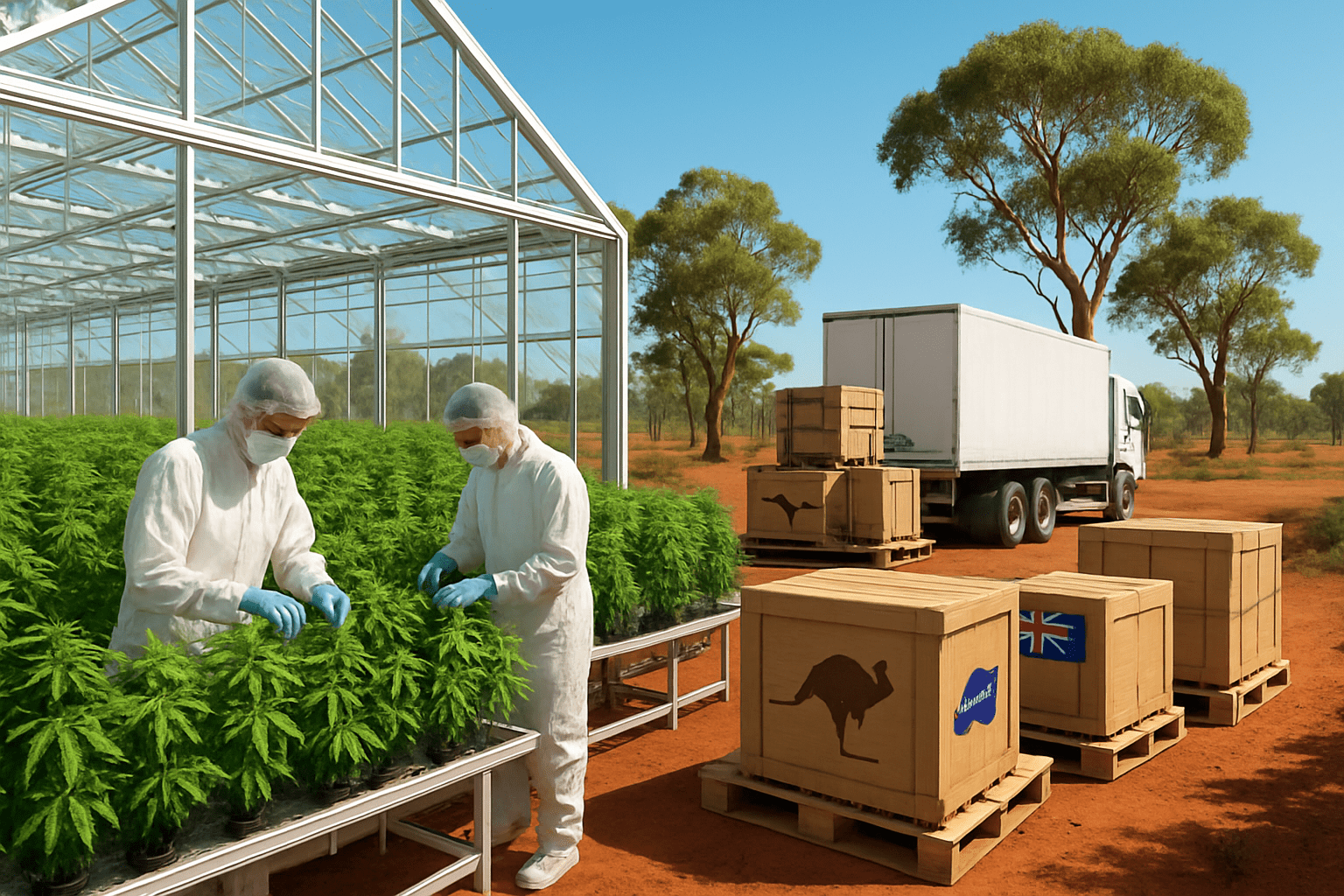
In a significant development for the global cannabis industry, Australia is poised to emerge as the world’s fourth country to authorize exports of medical cannabis, joining the ranks of Canada, the Netherlands, and Uruguay. This move follows nearly a decade of cautious domestic growth since the therapeutic and scientific use of cannabis was legalized in 2016. Although Australia’s cannabis cultivation started slowly, the government now aims to transform the nation into a powerhouse of cannabis agricultural exports, hoping to tap into the expanding global market estimated to reach $50 billion by 2025. The initiative carries considerable promise not only for local producers and farmers but also for pharmaceutical manufacturers and global trade partners as Australia seeks to enhance its foothold in the emerging international cannabis market.
The journey to this announcement has been marked by provincial regulatory variances and a growing domestic demand chiefly driven by patients requiring medical cannabis for epilepsy and chemotherapy side effects. Initially dependent on imports, particularly Canadian cannabis oil, Australia’s nascent but increasingly sophisticated agricultural sector is preparing to escalate production. The government’s strategy emphasizes fulfilling local medicinal needs before scaling up for exports. This ensures the domestic market remains robust while leveraging Australia’s agricultural expertise in delivering premium-quality cannabis products to international markets. The bold plan signals a transformative chapter for Australia’s pharmaceutical, agriculture, and trade agreement frameworks surrounding cannabis.
With the political landscape largely favorable—the major opposition party backing the initiative—the sector anticipates that export activities will commence shortly. Alongside global counterparts such as Israel and Sri Lanka, Australia seeks to capitalize on the lucrative medical cannabis export market, aligning with the country’s reputation for stringent regulation standards and agricultural excellence. The succeeding sections explore the intricacies of Australia’s medical cannabis industry, the regulatory environment, trade dynamics, and the prospects for the burgeoning hemp and pharmaceutical sectors within this evolving export landscape.
Australia’s Medical Cannabis Industry: Growth Trajectory and Agricultural Innovations
The Australian medical cannabis industry has gradually established a firm foundation since the legalization of therapeutic cannabis use in 2016. Early cultivation efforts faced challenges, resulting in the first national harvest only being realized in August 2017. Until then, the country primarily relied on imported cannabis products, especially oil formulations from Canada, serving patients with critical conditions like epilepsy and chemotherapy side effects. Moving into 2025, the sector has undergone significant transformation, bolstered by advancements in agricultural practices, genetic cannabis strains, and cultivation technology.
Australian cannabis growers have increasingly focused on precision agriculture and sustainable farming techniques, aiming to improve yield quality while adhering to strict regulatory standards. The country’s unique climate zones have allowed experimentation with diverse cannabis cultivars, ensuring a broad spectrum of cannabinoid profiles for pharmaceutical and medicinal applications. This agricultural evolution is vital for positioning Australia uniquely in global markets where quality, consistency, and compliance are critical.
Key factors driving industry growth include:
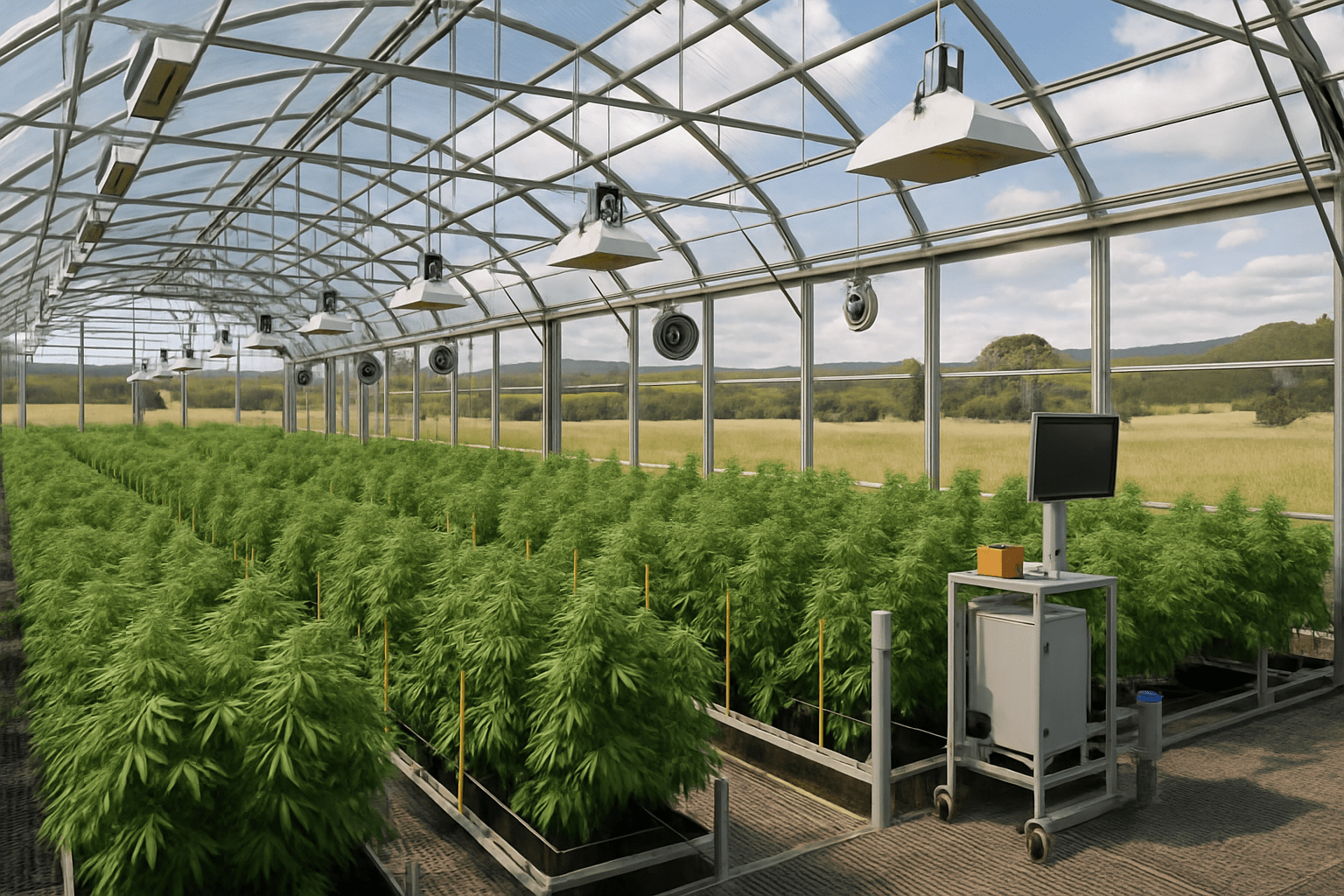
- Adoption of advanced greenhouse technologies and climate control systems
- Implementation of organic and sustainable farming practices to meet export requirements
- Investment in research on high-CBD and low-THC strains tailored for medical use
- Collaboration between universities, research institutions, and industry leaders to develop cutting-edge cultivation methods
- Integration of automated harvesting and processing equipment to increase efficiency and product consistency
The Australian Office of Drug Control (ODC) highlights steady increases in cultivated volumes and improved manufacturing practices as central to the growing domestic supply. Local producers are now beginning to meet a substantial portion of national demand and are preparing for export scale-up to satisfy international contracts. According to the latest data, Australia’s cultivation output remains relatively modest compared to established exporters like Canada, but the focus on pharmaceutical-grade products significantly enhances its competitive edge.
| Year | Domestic Medical Cannabis Production (kg) | Import Volume (kg) | Export Volume (kg) |
|---|---|---|---|
| 2017 | 250 | 1000 | 0 |
| 2022 | 1500 | 4500 | 50 |
| 2025 (Proj.) | 6000 | 2000 | 500 |
This table showcases the rapid increase in domestic production, decreasing reliance on imports, and the historical transition towards export readiness. This agricultural expansion is accompanied by rigorous compliance with the Australian Code of Good Manufacturing Practice (GMP) for medicines, ensuring that exported cannabis meets global standards expected in pharmaceutical applications.
Challenges and Opportunities in Australian Cannabis Agriculture
Despite its rapid growth, the Australian medical cannabis agricultural sector faces challenges that include climate variability, high operational costs, and complex regional regulatory frameworks. Different provinces maintain distinct compliance requirements, complicating nationwide harmonization. However, Australia’s agricultural expertise, reputation for biosecurity, and stringent quality controls are viewed globally as strengths, especially in markets demanding premium pharmaceutical-grade products.
Opportunities abound with government initiatives encouraging farmers and producers through licensing reforms and financial incentives. Forecasters predict that Australia’s cannabis agriculture sector will not only scale domestically but also position itself strategically for export markets in Asia-Pacific and Europe, where demand for medical cannabis and hemp products continues to grow. These opportunities align with emerging trade agreements focused on enhancing pharmaceutical exports and agricultural commodities.
Regulatory Framework for Medical Cannabis in Australia: Balancing Safety and Trade Facilitation
The regulatory landscape for medical cannabis in Australia serves as a cornerstone for both domestic public health and its emerging role as a global exporter. Since the legalization of cannabis for medicinal and scientific use in 2016, the government has focused on creating a system that ensures patient access while maintaining strict controls to prevent misuse. In addition, the regulatory framework is evolving to support the country’s ambitions in the international cannabis trade.
The Australian Therapeutic Goods Administration (TGA) governs the licensing and manufacturing standards, requiring producers to comply with Good Manufacturing Practices (GMP) akin to those for conventional pharmaceuticals. Producers must obtain multiple licenses, including cultivation, manufacture, import, and export permits. The Office of Drug Control oversees licensing alongside enforcement mechanisms to ensure product quality and traceability throughout the supply chain.
Core elements of Australia’s cannabis regulation include:
- Provincial licensing with strict verification processes ensuring compliance with national health standards
- Monitoring and reporting of adverse events and product defects
- Mandatory use of GMP-certified manufacturing facilities
- Export licenses contingent on satisfying domestic demand first
- Collaboration with international regulatory bodies to align export standards
- Defined import/export quotas to regulate trade volumes responsibly
This framework ensures the integrity of the Australian medical cannabis market while positioning the country as a trusted global supplier. The government’s recent announcement to permit exports comes with the caveat that local patient needs must be fully met before surplus production can be sent abroad, reflecting a commitment to domestic healthcare priorities.
| License Type | Issued By | Key Requirements | Purpose |
|---|---|---|---|
| Cultivation License | Office of Drug Control | Security protocols, GMP compliance, provincial permits | Growing cannabis plants for medical use |
| Manufacturing License | TGA & Office of Drug Control | GMP certification, quality assurance processes | Processing cannabis into medical products |
| Export License | Office of Drug Control | Must fulfill domestic demand first, compliance with international trade laws | Shipping cannabis products abroad |
| Import License | Office of Drug Control | Strict product approval, safety verification | Bringing cannabis products into Australia |
Industry stakeholders emphasize that ongoing regulatory refinement is critical to adapting to global market demands and evolving trade agreements. Australia’s approach underscores rigorous safety while enabling growth, making regulations a pivotal piece in the country’s positioning within the global medical cannabis exports landscape.
Australia’s Medical Cannabis Exports: Strategic Positioning in the Global Market
Australia’s decision to join the elite group of countries permitting the export of medical cannabis marks a watershed moment for its cannabis industry. Currently, Canada leads with multiple licensed producers that have shipped hundreds of kilograms of dried cannabis flowers and liters of cannabis oils to various international markets. Australia, with its stringent regulatory system and agricultural expertise, aims to carve a complementary niche focusing on high-quality pharmaceutical-grade products.
Officials are keenly aware of the pressures and opportunities that accompany entering this competitive global market. With export markets predicted to exceed $50 billion worldwide by 2025, countries are actively negotiating trade agreements to facilitate cannabis-related commerce. Australia’s export strategy prioritizes:
- Leveraging superior agricultural conditions to produce premium-grade medicinal cannabis and hemp products
- Fulfilling stringent international regulatory requirements to ensure product acceptance
- Focusing initially on high-value pharmaceutical products and formulations
- Engaging in bilateral trade agreements to minimize tariffs and regulatory barriers
- Collaborating with global partners to share R&D developments and regulatory intelligence
Australia’s new export licensing framework requires domestic producers to first meet local medical cannabis demand before surplus can be exported, establishing a focus on sustainable growth. The government’s Health Minister Greg Hunt articulated the vision of positioning Australian farmers as the world’s leading medical cannabis exporters, reflecting confidence in the sector’s competitive advantages.
| Country | Export Volume 2025 (kg) | Primary Export Product | Main Trade Partners |
|---|---|---|---|
| Canada | 1,000 | Dried flowers, cannabis oils | Europe, USA, Australia |
| Australia | 500 | Pharmaceutical-grade cannabis oils | Asia-Pacific, Europe |
| Netherlands | 700 | Dried cannabis flowers | Europe, North America |
| Uruguay | 200 | Processed cannabis products | Latin America, Europe |
This table highlights Australia’s emerging footprint in the global export market relative to established players. As the nation scales production and secures additional international trade agreements, its share of the global market is expected to grow substantially. Expanding exports are anticipated to provide economic benefits to agriculture, pharmaceutical manufacturing, and ancillary industries.
The Expanding Role of Hemp Products and Pharmaceuticals in Australia’s Cannabis Trade
Beyond medical cannabis flowers and oils, Australia is tapping into the burgeoning market for cannabis-derived hemp products and pharmaceutical applications. Hemp, with its low THC content, has diverse commercial applications including textiles, construction materials, food, and wellness supplements. Legalizing exports of hemp-based products complements the medical cannabis industry’s growth by diversifying product lines and increasing agricultural returns.
The Australian government has implemented comprehensive regulations to ensure that hemp products meet safety standards, addressing concerns related to intoxicating hemp products regulation. This is critical as markets in the U.S. and Europe impose increasingly rigorous legislative measures regarding product potency and consumer safety. These regulatory developments mirror recent international initiatives, such as Illinois’ push for legislative limits on intoxicating hemp derivatives, underscoring the need for harmonized standards. (More on hemp regulation trends)
Pharmaceutical companies are leveraging Australian cannabis cultivation to develop patented drugs and novel therapies. Australia’s reputation for high-quality agricultural produce provides a strong foundation for pharmaceutical-grade cannabis products, delivering consistent cannabinoid profiles critical for clinical use. Furthermore, research institutions and manufacturers collaborate closely to develop GMP-certified production processes, ensuring these products meet the stringent safety and efficacy standards required in international markets.
- Expansion of hemp product categories including dietary supplements, cosmetics, and industrial materials
- Development of new pharmaceutical formulations targeting chronic pain, anxiety, and neurological disorders
- Growing investment in R&D to innovate extraction techniques and cannabinoid delivery systems
- Establishment of export pathways aligned with international pharmaceutical trade agreements
- Collaboration with leading cannabis firms to enhance product portfolios and global distribution
Australia is also home to some of the most advanced cannabis cultivation facilities, rivaling the world’s largest complexes. The largest Canadian cannabis facility, for instance, stands as a benchmark in scale and technology (Learn more about leading cannabis facilities). Australian producers aspire to match and exceed these standards by investing in next-generation agricultural automation and biopharmaceutical manufacturing.
Trade Agreements and International Partnerships Fueling Australia’s Cannabis Export Ambitions
Australia’s ascent in medical cannabis exports is catalyzed by strategic trade agreements and international collaborations. As global demand for medical cannabis and hemp products intensifies, aligning with trade partners who facilitate access to key markets is paramount. Australia’s government actively pursues agreements to reduce tariffs, streamline customs procedures, and harmonize regulatory compliance with prominent markets in Asia-Pacific and Europe.
These agreements help Australian producers navigate complex international trade environments, opening doors to lucrative markets with established pharmaceutical cannabis programs. Australia’s agricultural export expertise, combined with its robust regulatory system, bolsters its reputation as a reliable supplier of medical cannabis products abroad.
Key components of Australia’s trade strategy include:
- Negotiating Mutual Recognition Agreements (MRAs) with leading cannabis-exporting countries
- Establishing bilateral partnerships with pharmaceutical companies in target regions
- Coordinating with international regulatory agencies to facilitate product approvals
- Enhancing export infrastructure and logistics capabilities to ensure timely delivery
- Encouraging private-sector participation in trade missions and industry expos
Such efforts are expected to accelerate Australia’s presence in competitive cannabis markets while safeguarding domestic agriculture and healthcare priorities. The government’s transparent policy communication and bipartisan political support provide a stable foundation for the industry’s sustainable growth.
| Trade Partner | Agreement Type | Focus Area | Impact on Cannabis Exports |
|---|---|---|---|
| Japan | Mutual Recognition Agreement | Pharmaceutical products | Facilitates product registration and export approval |
| South Korea | Bilateral Trade Agreement | Hemp and medical cannabis | Reduces tariffs, improves customs clearance |
| Germany | Pharmaceutical Cooperation | Medical cannabis research and distribution | Enables joint ventures and market access |
| New Zealand | Free Trade Agreement | Agricultural cannabis products | Supports export supply chains and regulatory alignment |


Post Comment