Fatal Cannabis Overdoses in 2017: How Many Cases Were Reported?

In recent years, the question of fatal cannabis overdoses has sparked curiosity and concern among both the public and health professionals alike. With increasing legalization and widespread consumption of marijuana, many wonder if the rise in cannabis use has corresponded to an increase in toxicity-related deaths. The year 2017, notable for significant developments in drug policies and public health surveillance, serves as a pivotal year to examine this matter. While drug-related deaths surged overall in the United States during that period, especially fueled by opioids, cannabis-related fatalities remain a contentious topic. Distinguishing fact from misconception is crucial, as the data unequivocally show that despite widespread marijuana consumption, the number of fatal overdoses directly attributed to cannabis toxicity remained remarkably low, to the point of being reported as zero.
This reality prompts further investigation into what “fatal overdose” truly means in the context of cannabis, how drug toxicity is measured, and what role marijuana plays in broader public health narratives. Notably, while direct lethal overdoses from cannabis compounds have not been confirmed, the drug can still contribute indirectly to fatal outcomes, such as those involving impaired driving or risky behaviors after consumption. As public policies continue to evolve, grasping the nuances behind these cases and the epidemiological data will be essential for policymakers, healthcare providers, and users alike. This article explores the details and implications surrounding fatal cannabis overdoses in 2017, underscoring critical distinctions and shedding light on ongoing debates regarding marijuana’s safety profile.
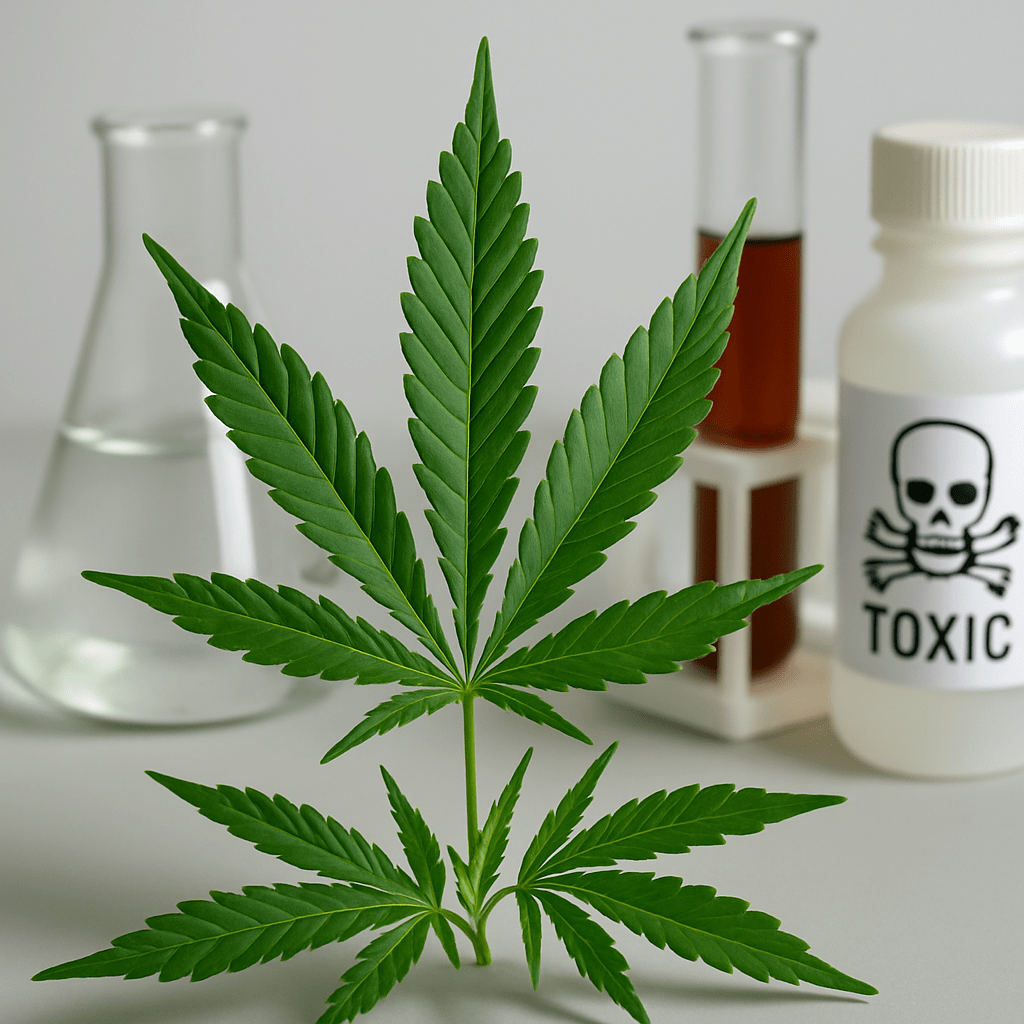
Understanding Fatal Cannabis Overdoses: The Evidence from 2017 Cases
The concept of a fatal cannabis overdose often conjures images of immediate and irreversible health collapse following marijuana consumption. However, comprehensive reviews of 2017 data show a starkly different picture. Across all formally reported cases for that year, zero fatal cannabis overdoses were documented in scientific and public health records. The overwhelming evidence points to the fact that cannabis toxicity alone does not reach lethal levels within practical human consumption parameters.
This absence of fatal overdose cases is supported by pharmacological studies demonstrating a remarkably wide margin between typical consumption doses and doses reported to cause toxicity in animal models, extrapolated cautiously to humans. Essentially, the lethal dose (LD50), or the amount needed to cause death in half of a test population, is unattainable by human users due to practical consumption limits and the body’s metabolic capacity.
To put this into perspective, let’s examine the main reasons behind the lack of cannabis overdose deaths despite billions of doses consumed globally:
- Low acute toxicity: Unlike opioids or stimulants, cannabinoids do not severely depress respiratory function or cardiac responses at typical use levels.
- Slow onset and elimination: Active compounds such as THC have gradual absorption and a slow metabolic clearance, reducing peak blood concentrations that might cause fatal toxicity.
- Self-limiting consumption behavior: Users often cease intake due to unpleasant effects (“bad trips”) or sedation rather than escalating to lethal intake.
| Drug | Reported Fatal Overdoses in 2017 (US) | Primary Cause of Death |
|---|---|---|
| Opioids | 47,600+ | Respiratory Depression |
| Cocaine | 15,000+ | Cardiac Arrest |
| Alcohol | 10,000+ | Organ Failure / Accidents |
| Cannabis | 0 | None reported |
The table above contrasts cannabis’ risk profile with other substances involved in fatal overdoses in 2017. Despite the prominence of drug-related deaths that year, cannabis remains distinct in its lack of confirmed lethal toxicity, confirming that while marijuana can be misused, fatal overdose cases do not appear in the official statistics.
Indirect risks linked to cannabis consumption in fatal cases
Although cannabis itself may not directly cause death by overdose, it is imperative to recognize the indirect pathways through which marijuana use could contribute to fatal outcomes:
- Impaired driving: Cannabis affects coordination, reaction times, and judgment, leading to accidents on the road.
- Polydrug interactions: Concurrent use with other depressants like alcohol or opioids might exacerbate toxicity.
- Chronic health effects: Long-term excessive use may worsen underlying cardiovascular or respiratory conditions.
For anyone interested in the growing legal landscape and its impacts, resources such as current cannabis legislation in Europe shed light on how regulatory frameworks influence usage patterns and public health outcomes, framing the context in which these toxicity questions arise.
The Science Behind Cannabis Toxicity and Lethal Dose Assessments
To comprehend why no fatal cannabis overdoses were reported in 2017, it’s essential to delve into the toxicological studies that assess marijuana’s safety margins. Research typically investigates the LD50 value, a benchmark indicating the dose required to cause death in 50% of a test population, usually lab animals.
For cannabis and its primary psychoactive constituent, tetrahydrocannabinol (THC), estimates place the LD50 at thousands of milligrams per kilogram in animals—translating into enormous amounts far beyond usual or plausible human intake. Moreover, human metabolic pathways for THC efficiently process and eliminate cannabinoids over hours to days, preventing accumulation to dangerous levels from casual or even heavy use.
The following factors contribute to the observed lack of fatal overdoses from cannabis toxicity:
- Narrow therapeutic index: Cannabis compounds have a broad margin between effective and lethal doses, making accidental overdose mortality improbable.
- Low receptor density in vital centers: Cannabinoid receptors, while abundant in the brain, do not regulate autonomic functions like respiration to the degree opioids do.
- Endogenous cannabinoid system modulating effects: The body’s natural cannabinoid system helps buffer extreme responses, enhancing tolerance to large doses.
- Sensory feedback and consciousness retention: Users experience noticeable psychoactive symptoms that discourage excessive intake before toxicity can occur.
| Species | Estimated LD50 of THC (mg/kg) | Relevant Human Equivalent for 70 kg |
|---|---|---|
| Rat | 1270 – 1900 | 89,000 – 133,000 mg THC |
| Mouse | 800 – 1600 | 56,000 – 112,000 mg THC |
| Guinea Pig | 1000 – 1300 | 70,000 – 91,000 mg THC |
These values indicate that reaching even the lowest estimated lethal dose would require an impossible consumption volume—often thousands of joints or edibles at once—thus reaffirming the futility of cannabis overdose fear from a toxicological standpoint.
For those interested in legal perspectives related to cannabis and evolving judicial attitudes, the role of authorities such as the Attorney General’s stance on marijuana may influence narratives around safety and risk, especially in how overdoses are understood publicly and legally.
Fatal Cannabis Overdose Statistics vs. Other Drug-Related Deaths in 2017
The larger 2017 picture of drug-related deaths demonstrates a stark distinction between cannabis and other substances known for high toxicity and overdose fatality risks. While opioids were the leading cause of drug overdose fatalities, marijuana did not register in the fatal overdose category at all.
Exploring national datasets, the Centers for Disease Control and Prevention (CDC) recorded opioid deaths exceeding 47,000 in the US alone, primarily due to respiratory failure. In contrast, cannabis’s direct toxic effects did not cause any known fatalities, highlighting an important public health distinction when allocating resources for overdose prevention and education.
- Accountability in overdose reporting: Drug overdose deaths are rigorously classified based on toxicology and autopsy findings, which typically exclude cannabis as the primary cause if any other substances are implicated.
- Recognition of polydrug overdose cases: Many fatal incidents involve a combination of drugs, with cannabis often not the fatal contributor but occasionally found in toxicology panels.
- Impact of public misconceptions: Despite scientific clarity, media reports sometimes conflate cannabis use with overdose death in misleading ways.
| Cause of Death | Fatalities (US, 2017) | Percentage of Total Drug Deaths |
|---|---|---|
| Prescription Opioids | 17,000+ | 24.2% |
| Fentanyl and Synthetic Opioids | 28,400+ | 40.4% |
| Cannabis | 0 | 0% |
These statistics emphasize the need for continued focused interventions on substances with proven lethal overdose potential while educating the public about the actual risks associated with marijuana consumption.
Public Health Implications of Cannabis Toxicity and Fatal Overdose Misconceptions
Public health agencies face challenges in addressing misinformation about cannabis overdose risks. The false belief that cannabis can cause fatal overdoses may divert attention from more pressing threats such as opioid addiction and stimulant abuse. Furthermore, misconception about marijuana risks could influence policies and social attitudes adversely, potentially leading to overregulation or neglect of those substances with higher toxicity profiles.
Key challenges in public health include:
- Accurate communication: Ensuring that public messages differentiate between toxicity and other risks such as impaired driving or mental health complications.
- Education on responsible use: Encouraging safer consumption habits to minimize indirect dangers related to cannabis.
- Monitoring polydrug use: Recognizing that cannabis is often part of complex drug use patterns, requiring integrated intervention strategies.
Addressing these issues requires collaboration between federal and local agencies, health professionals, and community organizations. Public health initiatives should also align with evolving cannabis regulation frameworks to ensure policies are evidence-based and proportionate to real harms.
Managing Risks and Preventing Indirect Fatalities Related to Cannabis Use
Even though the direct toxicity of cannabis results in no reported fatal overdoses, certain behaviors associated with marijuana use can increase fatality risks indirectly. The primary immediate threat remains acute psychological distress, commonly known as a “bad trip,” which while rarely fatal, can be deeply unsettling and require medical attention in some cases.
Responsible cannabis use involves awareness of risk factors such as:
- Avoiding impaired driving: Scheduling use away from activities requiring coordination and alertness.
- Monitoring consumption levels: Recognizing personal tolerance and not exceeding safe limits.
- Being cautious with polydrug use: Understanding interactions between cannabis and other substances, including alcohol.
- Seeking help for long-term effects: Consulting healthcare providers if experiencing adverse mental or physical symptoms from chronic use.
| Risk Factor | Potential Fatal Consequence | Preventive Action |
|---|---|---|
| Driving under cannabis influence | Traffic accidents leading to death | Avoid driving, use alternative transport |
| Mixing cannabis with depressants | Increased overdose risk (other drugs) | Limit combined use, medical advice |
| Long-term heavy use | Health deterioration, suicide risk | Regular medical check-ups, mental health support |
| Acute anxiety/paranoia episodes | Psychological crises | Immediate medical or counseling support |
As cannabis acceptance continues to grow, education about managing these risks remains paramount. Enhancing understanding on what constitutes responsible consumption contributes to harm reduction and supports healthier communities worldwide.


Post Comment