Alberta Unveils Guidelines for Cannabis Legalization
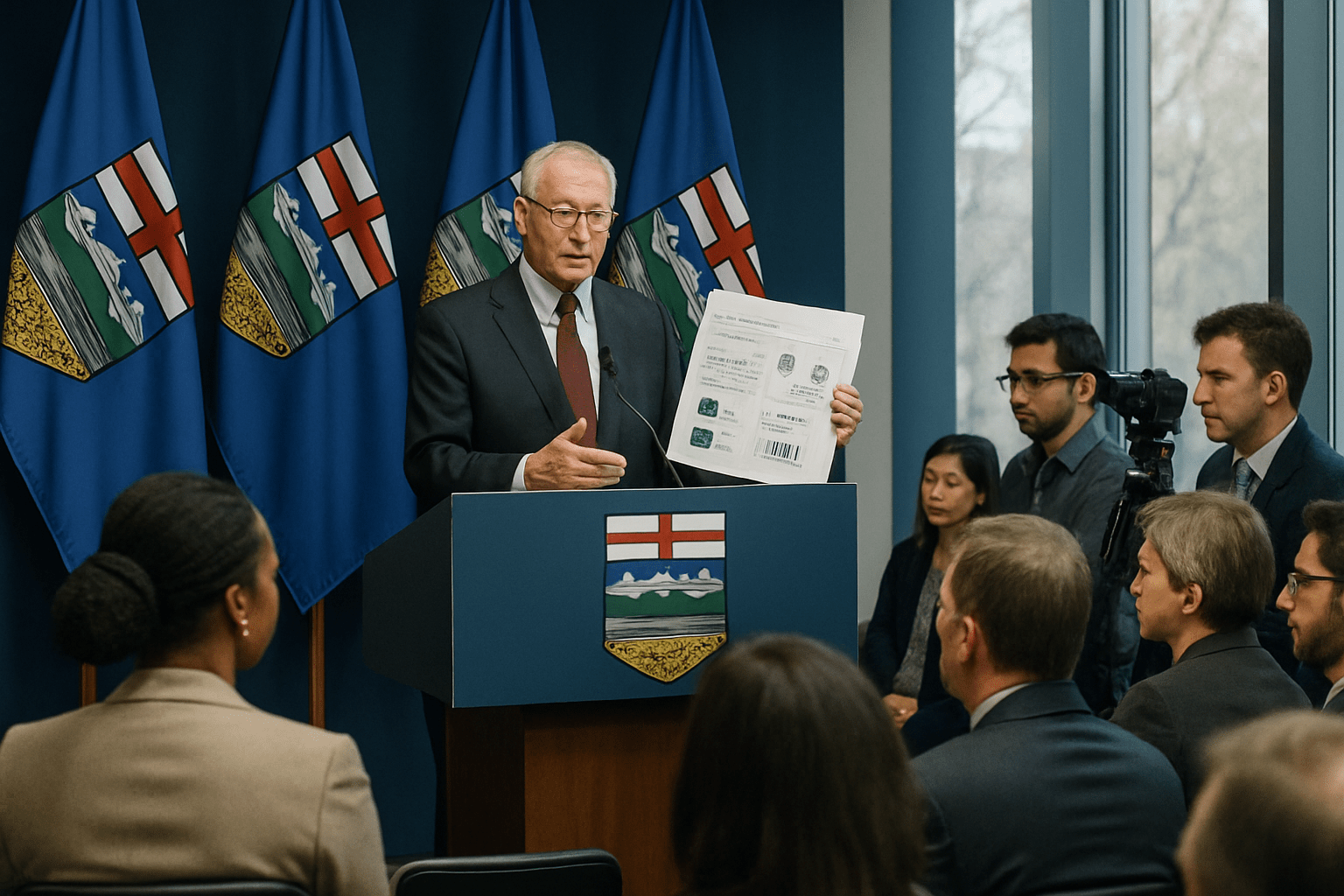
The province of Alberta has stepped forward with its initial framework for the legalization of cannabis, marking a pivotal moment in Canada’s evolving approach to marijuana regulation. In an extensive public consultation campaign, Alberta has gathered input from more than 45,000 residents alongside over 100 stakeholders, ranging from private sector businesses to healthcare professionals and indigenous community representatives. This broad-based participation underlines the government’s commitment to crafting policy that prioritizes public health, safety, and responsible consumption.
As Alberta navigates the complex process of legalizing cannabis, key priorities have emerged: ensuring restricted access to cannabis for minors, safeguarding public health, advancing safety on roads and workplaces, and diminishing the illegal market’s foothold. These priorities echo similar themes from other provinces but are tailored to Alberta’s unique social and economic landscape. The consultation process will continue until late October, anticipating a consolidated legal framework shortly after.
One of the significant elements shaping Alberta’s policy is the decision to set the legal age for cannabis use at 18, mirroring the age limit for alcohol and tobacco use, and aligning with provinces like Quebec and Ontario. This legal age threshold plays a crucial role in balancing youthful experimentation with the need for responsible use and health protection. Public possession limits are another area of focus, with restrictions set to curb excess possession and regulate public cannabis consumption tightly.
Alberta’s approach also includes stringent measures around home cultivation and consumption venues. While outdoor cultivation is banned, indoor cultivation adhering to specified limits will be permitted. Public cannabis use will be largely restricted, with exceptions for places already allowing tobacco consumption, and no immediate plans for cannabis cafes or “cannabistros” pending further federal guideline developments. These measured regulations illustrate Alberta’s efforts to foster a responsible market while remaining responsive to evolving federal policies.
As Alberta constructs this legal framework, comparisons with other cannabis legalization initiatives worldwide—from Europe’s evolving legislation to the cautious approaches in various US states—offer useful perspectives. These regulations do more than just delineate legal parameters; they reflect a commitment to public safety, economic opportunity, and the social implications of marijuana use in a modern society.
Comprehensive Alberta Guidelines Shape Cannabis Legalization Policy
Alberta’s government has developed extensive guidelines aimed at structuring the province’s cannabis market in a way that balances accessibility with safety and accountability. The ongoing public consultation process demonstrates a commitment to refine these guidelines by incorporating widespread feedback.
At the heart of these guidelines are four primary priorities:
- Preventing youth access: Alberta aims to shield children and adolescents from early exposure by setting rigorous age restrictions and enforcement measures.
- Public health protection: Ensuring that cannabis legalization does not compromise collective health standards or exacerbate substance-related problems.
- Safety promotion: Fostering a safer environment for public spaces, workplaces, and roadways by implementing strict consumption and possession rules.
- Capping illegal market influence: Balancing regulatory rigor to combat black-market sales by providing a reliable, legal alternative.
Under the proposed framework, the legal minimum age for possession, purchase, and consumption is set at 18 years across Alberta. This approach parallels the established regulations for alcohol and tobacco, propelling regulatory consistency and easing enforcement. Possession limits in public spaces will be capped at 30 grams to discourage large-scale unauthorized distribution.
Possession rules for minors are explicit and tiered: minors found with less than 5 grams may face confiscation, notification to guardians, and a fine, whereas possession above this threshold escalates to criminal charges under the Canadian Criminal Code. This graduated response aims to appropriately calibrate enforcement without unduly burdening youth with harsh penalties.
Governance of the retail distribution will be managed by the Alberta Gaming, Liquor and Cannabis Commission (AGLC), which will function as the wholesale supplier. The government continues to evaluate retail models, deliberating between government-operated stores—offering enhanced oversight but higher setup costs—and private retail, which offers flexibility but imposes challenges for regulatory compliance and public safety.
| Policy Aspect | Details | Implications |
|---|---|---|
| Legal Age | 18 years | Aligns with alcohol and tobacco laws, facilitating consistent enforcement |
| Public Possession Limit | 30 grams | Dissuades bulk carrying and black market activity |
| Minor Possession | Under 5 grams: seizure and fine; Over 5 grams: criminal code charges | Graduated enforcement for youth protection |
| Distribution Control | AGLC wholesale model | Centralized control of product supply |
| Retail Sales Model | Under review: government vs private stores | Balancing control with market adaptability |
The interplay of these provisions illustrates Alberta’s effort to establish a regulation environment that is secure, coherent, and protective of vulnerable populations. Comparison with ongoing legalization cases across Europe and North America enriches Alberta’s policy discourse, as lessons are learned from diverse models.
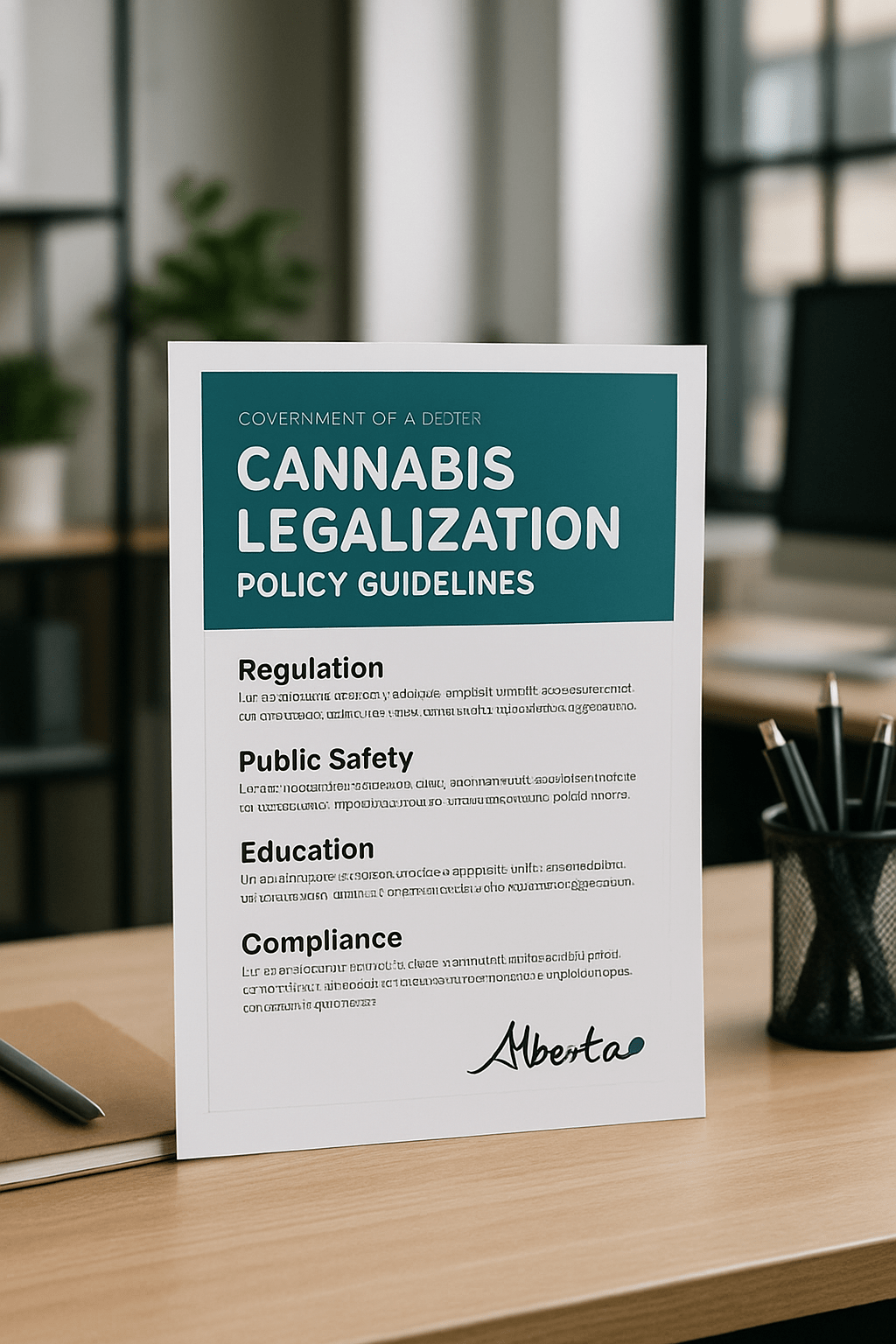
Public Safety and Health: Fundamental Pillars in Alberta’s Marijuana Legislation
Public safety and health have unequivocally emerged as cornerstones in Alberta’s marijuana policy framework. Recognizing the potential social and health impacts of marijuana use, Alberta’s guidelines aim to manage risks associated with consumption while enabling legal access.
Central to this objective is safeguarding vulnerable demographics, especially youth. By setting the minimum age at 18 and imposing stringent public consumption restrictions, the government targets reductions in early onset usage and secondhand smoke exposure.
Moreover, Alberta focuses heavily on road safety, recognizing cannabis impairment as a public safety hazard. The government is advancing policies for law enforcement to better detect and prosecute impaired driving, aligning with broader national efforts. This approach is part of a comprehensive strategy that also addresses cannabis use in workplaces and public domains, mitigating risks to bystanders and colleagues.
Health promotion efforts extend beyond restriction; they also involve education and support for responsible consumption. Campaigns targeting awareness around the effects and potential risks of cannabis help nurture a well-informed public. An integrated approach involving healthcare providers, law enforcement, and community groups shapes a framework poised to reduce adverse outcomes while respecting individual freedoms.
- Road Safety Measures: Enhanced testing for impairment and public awareness campaigns to prevent driving under influence.
- Youth Protection Policies: Regulation of advertising, packaging, and sales to minimize youth appeal.
- Public Consumption Restrictions: Ban on cannabis use in public spaces except designated smoking areas aligned with tobacco laws.
- Health Education Initiatives: Multi-sectoral campaigns supporting risk awareness and harm reduction.
| Safety/Health Priority | Policy Implementation | Expected Outcome |
|---|---|---|
| Youth Access Restriction | Minimum legal age set to 18, strict enforcement | Reduced underage cannabis use |
| Impaired Driving Control | Enhanced roadside testing and penalties | Lower rates of cannabis-related traffic accidents |
| Public Use Regulation | Consumption allowed only in designated tobacco areas | Decreased exposure to non-users |
| Health Awareness Programs | Information campaigns and support services | More informed consumption choices |
Comparatively, other regions such as Germany and several European countries continue to fine-tune their cannabis policy frameworks, often highlighting the importance of public health as well. This mirrors Alberta’s intensive focus on health-centered regulations detailed in forums such as the Germany collaborative discussion on cannabis legalization.
Alberta’s Regulatory Framework: Home Cultivation and Public Consumption Restrictions
The Alberta government has taken a cautious yet pragmatic approach in regulating home cannabis cultivation and public consumption. Aligning with the federal Canadian standards, Alberta limits indoor growing to four plants per residence, each no taller than one meter. Outdoor cultivation is outright prohibited, aiming to balance personal freedom with neighborhood safety and aesthetic concerns.
The home cultivation policy is designed not only to allow consumers autonomy in their use but also to minimize the potential risks associated with unregulated outdoor grows, such as theft, odor complaints, and unmonitored product quality. By requiring secure, indoor environments like greenhouses, the government hopes to curb these issues while maintaining fair access for individuals who choose to cultivate cannabis for non-commercial purposes.
Public consumption is another closely regulated area. Cannabis use is banned in public places except in venues that currently permit tobacco smoking. This policy reflects Alberta’s cautious stance, ensuring that cannabis remains a private-use substance for the moment. Officials have postponed permitting dedicated cannabis consumption lounges or “cannabistros” pending further federal legislation on edible cannabis products and broader retail experiences.
- Indoor Cultivation: Maximum of 4 plants, max height 1 meter per household.
- Outdoor Cultivation: Prohibited to protect public spaces and reduce nuisance complaints.
- Public Use Restrictions: Cannabis allowed only in authorized tobacco smoking areas.
- Edibles and Lounges: Pending further federal regulation before legalization of edibles and consumption spaces.
| Regulation Aspect | Current Policy | Rationale |
|---|---|---|
| Indoor Cultivation Limit | 4 plants max, 1 meter height | Ensures manageable home grows with limited environmental impact |
| Outdoor Cultivation | Prohibited | Reduces exposure and potential for theft or vandalism |
| Public Consumption | Allowed only in tobacco-permitted areas | Protects non-users and maintains public order |
| Edibles and Lounges | Not yet permitted; awaiting federal rules | Safety and regulatory clarity required before rollout |
This controlled approach to cultivation and consumption seeks to avoid some pitfalls seen in other jurisdictions. For instance, European cities like Berlin have experimented with semi-legal cannabis zones yet faced complex challenges regarding public nuisance and policing, as detailed in the Berlin semi-legalization reports.
Economic and Legal Implications of Cannabis Legalization in Alberta
Beyond health and safety, Alberta’s cannabis legalization guidelines bear significant economic and legal implications. The province’s regulatory choices affect market structure, business opportunities, and law enforcement practices.
The government’s selection of the Alberta Gaming, Liquor and Cannabis Commission (AGLC) as the wholesale authority streamlines regulatory oversight. This decision enables tighter quality control and tax revenue tracking but also places considerable responsibility on the AGLC to balance market demands with public safety and legislative compliance.
The ongoing debate between government-run versus privately operated cannabis retail outlets highlights key economic tensions:
- Government stores: Enable greater regulatory control, standardization of sales, and direct public revenue, but entail significant startup costs and potentially less flexibility in responding to market needs.
- Private retail: Offers greater innovation, rapid scalability, and entrepreneurial opportunity but poses challenges in ensuring consistent regulatory adherence and public safety.
In legal terms, Alberta’s strict possession limits—30 grams in public—and tiered penalties for minors aim to balance personal freedom with public order. This regulatory balance seeks to markedly curb black-market operations by offering reliable legal alternatives, as also evident in other Canadian provinces documented on Canada’s cannabis legalization overview.
| Aspect | Government-Run Retail | Private Retail |
|---|---|---|
| Control over sales | High – direct oversight | Moderate – requires strong licensing & monitoring |
| Startup costs | High – government investment needed | Lower – market-driven |
| Market flexibility | Lower – slower adaptation | High – agile and innovative |
| Revenue flow | Direct to government | Taxed but dispersed revenues |
Alberta’s policy development echoes similar market balancing challenges observed worldwide, including recent setbacks in some US states such as South Dakota, where recreational cannabis legalization recently faced voter rejection, impacting existing medical dispensary operations as reported in South Dakota cannabis news.


Post Comment