Marina Kaye Advocates for Cannabis Legalization
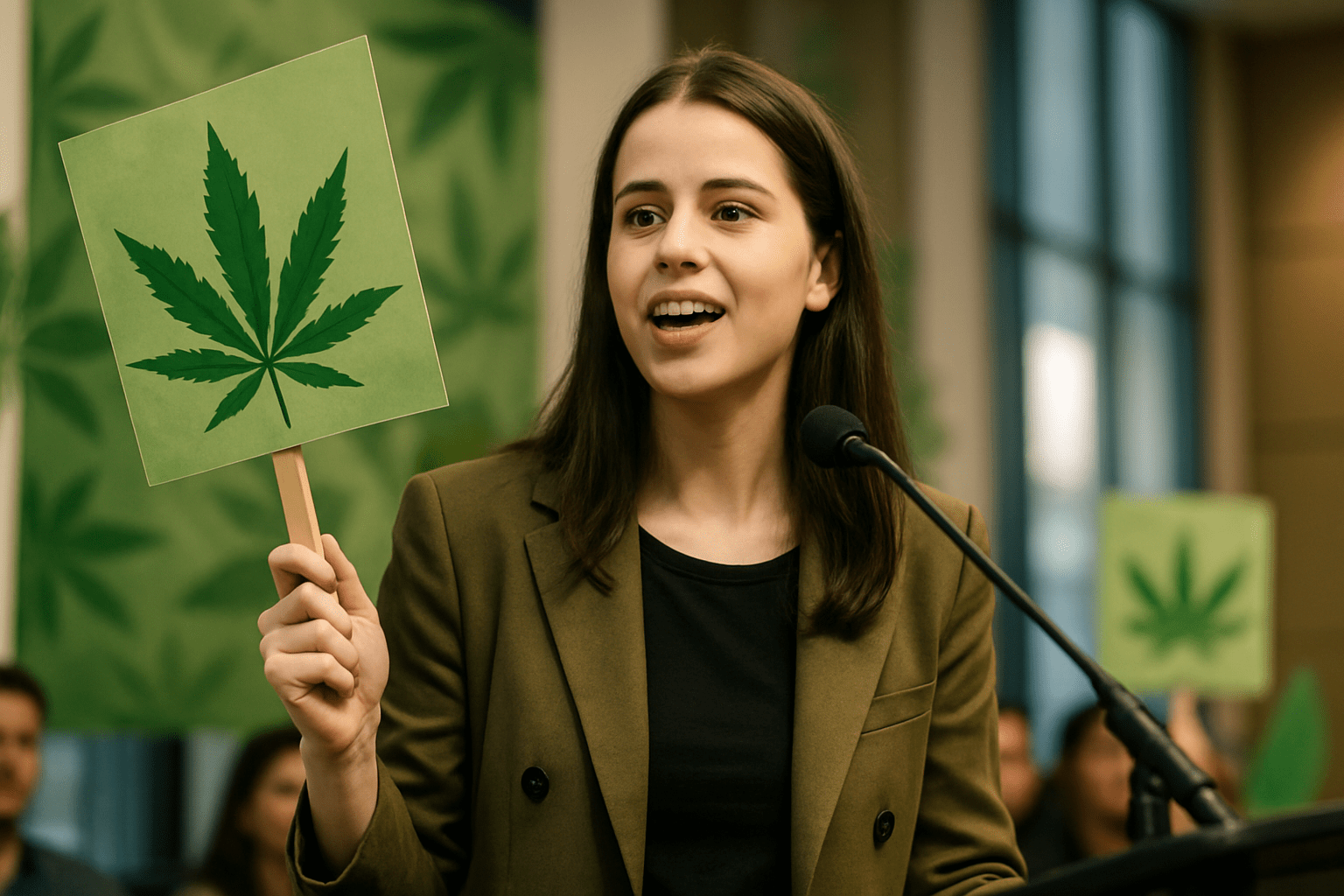
In recent years, the global debate surrounding cannabis legalization has gained unprecedented momentum, propelled by shifting perceptions, evolving laws, and influential voices advocating for reform. Among these voices is Marina Kaye, the young French singer who has candidly expressed her support for cannabis legalization, bringing a fresh and bold perspective to the ongoing discussion. At just 18 years old, Marina Kaye’s public stance on cannabis not only challenges societal stigma but also reflects widespread youth sentiments about drug policy reform in France and beyond. Her openness about cannabis consumption during a televised interview sparked conversations that highlight the contrast between the cultural acceptance of alcohol and the controversial status of cannabis, raising questions about inconsistencies in drug laws and public attitudes.
Marina Kaye’s advocacy happens against a backdrop of dynamic change in cannabis legislation worldwide. Many countries are witnessing a tide of reforms, from medical marijuana acceptance to full recreational legalization, as governments recognize the social, economic, and health-related implications of prohibition. France, however, remains cautious, with ongoing debates fueled by advocates pushing for rational drug policies centered on harm reduction and social justice. Notably, debates surrounding cannabis reform now incorporate critical issues such as racial justice, economic opportunity, and the medical benefits of cannabis, expanding the dialogue beyond mere legal status. This global and domestic context makes Marina Kaye’s position particularly impactful, emphasizing the intersection of culture, youth perspectives, and policy in the cannabis legalization movement.
As cannabis activism gains traction, key questions emerge: How do public figures like Marina Kaye influence the perception of cannabis? What role does advocacy play in shaping law and social norms? And how do medical marijuana and legalization efforts intertwine to reshape modern drug policy? Exploring these questions reveals an intricate landscape where culture and legality intersect, and where voices from the younger generation help redefine cannabis normalization. This article will delve into Marina Kaye’s unique advocacy, the evolving cannabis reform worldwide, the role of medical marijuana in public policy, the social and legal aspects of drug policy reform, and the cultural implications of cannabis activism.
Marina Kaye’s Role in Cannabis Legalization Advocacy and Youth Culture
Marina Kaye’s recent appearance on the French television program “Le Van,” hosted by Enora Malagré, marked a significant moment in cannabis advocacy. During a candid interview in a Parisian bar, Marina openly admitted to consuming cannabis, treating it as a commonplace activity rather than a taboo. This transparency is striking, especially considering her age and public status.
The interview showcased the shifting attitudes toward cannabis among the youth in France. While Marina Kaye refrained from discussing more private aspects of her life, including her first sexual experiences, she responded promptly and frankly about cannabis use. This openness signals a generational shift where young people, even public figures, feel more comfortable discussing cannabis, challenging outdated perceptions. It also highlights a distinct contrast: while cannabis remains illegal in France, alcohol consumption is socially normalized even within televised settings. In the same interview, she was seen drinking a beer — an act largely accepted by society — yet her cannabis admission attracted significantly more attention.
The public reaction to Marina Kaye symbolizes evolving cannabis advocacy in France. The discourse is no longer limited to clandestine use but involves debates about legalization, regulation, and public health. Marina’s approach reflects a broader youth-driven demand for reform, nurturing discussions around legalization with compassion and realism rather than punishment or fear.
Several factors contribute to the influence of youth icons like Marina Kaye in cannabis reform:
- Authenticity and relatability: Being open about cannabis use demystifies the drug and connects with young people’s lived realities.
- Breaking stigma: Public acknowledgment combats negative stereotypes and humanizes cannabis users.
- Legitimizing debate: By courageous public endorsements, celebrities help normalize candid conversations about drug policy.
- Encouraging responsible conversation: It also offers an opportunity to promote education around safer use and harm reduction.
- Supporting legal reforms: Cultural influence on public opinion can sway lawmakers and policymakers toward legalization.
| Aspect | Impact of Marina Kaye’s Advocacy |
|---|---|
| Youth Perception | Normalizes cannabis use among young adults, encouraging open dialogue. |
| Media Attention | Generates wider conversations on drug policy and societal double standards. |
| Policy Influence | Amplifies pressure on lawmakers to consider evidence-based reforms. |
| Public Stigma | Challenges misconceptions and reduces bias against consumers. |
| Cultural Shift | Contributes to the transformation of cannabis from taboo to accepted substance. |
Marina Kaye’s stance aligns with the growing momentum for cannabis reform seen in various parts of the world. As her public voice reverberates across media channels, it helps sustain the wave of cannabis activism that is reshaping youth culture and legal discussions in France and Europe. For more on international dynamics, see the European cannabis legalization initiatives that are influencing neighboring nations and encouraging cross-border dialogues about drug policies.

The Contrast Between Cannabis and Alcohol in Social Settings
An intriguing aspect of Marina Kaye’s interview was the juxtaposition of cannabis use with beer consumption. The public’s acceptance of alcohol versus cannabis reveals inconsistencies in drug policy and cultural norms. While alcohol is legal and socially embraced, cannabis remains illegal and stigmatized in France. Yet, both substances bear health risks and social consequences.
Key differences to consider:
- Legal Status: Alcohol is fully legal and regulated, while cannabis is largely prohibited except for limited medical use.
- Cultural Acceptance: Drinking beer is a normalized social activity, whereas cannabis use remains marginal in mainstream culture.
- Health Impact Perception: Cannabis is often seen as more dangerous despite scientific studies indicating comparative or lesser harm than alcohol.
- Media Representation: Alcohol advertising is widespread; cannabis depictions are limited and often negative.
- Government Revenue: Taxes on alcohol contribute extensively to public funds; cannabis taxation potential is mostly unrealized due to prohibition.
This disparity provokes important discussions within the cannabis reform movement, questioning why one intoxicant is embraced while another is criminalized. Addressing these contradictions is vital for informed drug policy that is equitable, pragmatic, and focused on public health rather than punitive measures.
The Evolution and State of Cannabis Legalization and Medical Marijuana Worldwide
Advocacy for cannabis legalization has gained remarkable ground globally over the past decade, with more countries shifting attitudes and laws in favor of reform. As of the mid-2020s, an increasing number of nations recognize the medical benefits of cannabis, alongside calls for recreational legalization that include economic, social, and justice-oriented motivations.
Some critical milestones and current states of cannabis legalization include:
- Canada: Pioneering full recreational cannabis legalization since 2018, fostering a regulated marketplace with strong public health frameworks (learn more).
- United States: A patchwork of state-level legalizations for both medical and recreational use with ongoing federal debates reflecting the complexity of drug policy reform.
- European Union: Increasing openness with countries like Germany hosting collaborative discussions on best practices for legalization and regulation (details here).
- South Dakota: Facing challenges after voter rejection of recreational cannabis, highlighting the nuanced public and political opinions at state and local levels (read more).
- France: A conservative stance persists, yet advocacy intensifies with groups pushing for reform based on social justice and harm reduction principles (more insights).
| Country/Region | Legal Status | Key Features |
|---|---|---|
| Canada | Fully Legal (Recreational & Medical) | Regulated market, tax revenue, public health campaigns |
| Germany | Medical Legal, Semi-Legal Recreational | Collaborative EU discussions, pilot programs |
| United States | Varies by State | State-legal recreational/medical, federal prohibition ongoing |
| France | Medical Use Limited, Recreational Illegal | Growing advocacy, cautious government stance |
| South Dakota | Medical Legal, Recreational Illegal | Local opposition to legalization despite medical programs |
Medical marijuana remains a pivotal aspect of cannabis advocacy, serving as a gateway for broader reforms. Its established therapeutic applications in pain management, epilepsy, and other conditions provide a strong argument for legalization proponents. The medical cannabis movement also challenges the traditional classifications and criminalization that often accompanied cannabis prohibition.
Advocates emphasize that legalization efforts cannot focus solely on recreational use but must address comprehensive drug policy reform that includes social justice considerations, particularly concerning communities disproportionately affected by past prohibition policies. Movements like the social justice cannabis reform era represent this broader, more inclusive vision.
Drug Policy Reform and Marijuana Rights in the Modern Legislative Landscape
The dynamic evolution of cannabis regulation underscores a complex interplay of public health, justice, and economic interests. Drug policy reform movements nowadays prioritize dismantling the disproportionate impacts of prohibition on marginalized communities while promoting equitable access to legal cannabis markets.
Marina Kaye’s advocacy resonates with this contemporary framework, highlighting the need for policies that reflect the realities of users and support harm reduction over criminal justice approaches. Key drug policy reform pillars include:
- Decriminalization: Removing criminal penalties for possession to reduce incarceration rates and stigma.
- Legal Regulation: Establishing controlled markets to ensure product safety and reduce black market activity.
- Social Equity Programs: Facilitating participation and opportunities for those affected by past drug criminalization.
- Public Education: Informing communities about responsible use and health effects to minimize harms.
- Research Expansion: Funding scientific studies into cannabis impacts and potential medical uses.
| Policy Aspect | Focus Areas | Examples |
|---|---|---|
| Decriminalization | Punitive reduction, possessory offenses | Portugal’s drug policy reform, multiple US states |
| Legal Regulation | Market oversight, product standards | Canada’s cannabis marketplace, Colorado |
| Social Equity | Economic inclusion, reparative justice | California’s equity programs, Marijuana Justice Coalition |
| Public Education | Risk awareness, harm reduction | Public health campaigns in Canada and Europe |
| Research | Medical efficacy, impact assessments | International clinical trials |
The ongoing transformation in drug policy also involves confronting challenges such as balancing commercialization with public health. Critics warn that rapid legalization can prioritize profits over safety, leading to unregulated markets and increased youth use. Responsible advocacy, as modeled by activists including Marina Kaye, seeks to avoid these pitfalls through measured policy frameworks.
Global Cannabis Activism and the Influence of Public Figures Like Marina Kaye
Cannabis activism in the 2020s is characterized by a diverse coalition of activists, organizations, and public figures who push for legalization, social justice, and public health reforms. Prominent personalities such as Marina Kaye provide relatable, youthful perspectives that resonate across generations.
Globally, cannabis activists employ multiple strategies to advance legalization:
- Public Engagement: Using media appearances, social media, and public events to normalize cannabis discourse.
- Legislative Lobbying: Working with lawmakers to draft and promote legalization bills.
- Social Justice Campaigns: Addressing the racial and economic disparities exacerbated by prohibition, including initiatives by groups like the Marijuana Justice Coalition.
- Educational Outreach: Providing information on medical uses, responsible consumption, and harm reduction.
- Community Building: Creating networks that support advocacy through shared stories and solidarity.
| Activism Strategy | Description | Impact Examples |
|---|---|---|
| Media Engagement | Utilizing interviews, videos, and social media | Marina Kaye’s candid interviews; global viral campaigns |
| Policy Lobbying | Influencing legislation reforms | Canada’s legalization framework; US state campaigns |
| Justice Campaigns | Focus on equity and reparations | Marijuana Justice Coalition’s federal advocacy |
| Education | Harm reduction and medical information | Public health initiatives in Europe and North America |
| Community Networks | Support and empowerment | Cannabis social clubs; activist coalitions |
Marina Kaye’s involvement reflects a growing trend where artists and celebrities help shape cannabis narratives positively. Their visibility helps dismantle stigma and introduces nuanced conversations about legalization’s benefits and challenges.
The Future Outlook of Cannabis Legalization and Social Perceptions
The cannabis legalization landscape in 2025 is still evolving, marked by significant achievements and persistent challenges. Activists like Marina Kaye embody a new wave of advocacy that merges cultural influence with policy reform efforts, indicating a more inclusive and informed future for cannabis use worldwide.
Emerging trends likely to shape the future include:
- Increased Medical Marijuana Acceptance: Expanding access and insurance coverage to benefit patients.
- Cross-National Cooperation: Greater international dialogues facilitating shared legalization models, as seen in European collaborations (read more).
- Social Equity Integration: Deepening social justice commitments within legalization policies.
- Regulatory Innovations: Leveraging technology for better market oversight and consumer protection.
- Cultural Normalization: Further erosion of cannabis stigma through media, education, and arts.
| Future Trend | Potential Developments | Implications |
|---|---|---|
| Medical Marijuana Expansion | Broader patient eligibility, advanced research | Improved health outcomes, insurance inclusion |
| International Cooperation | Harmonized laws, best practice sharing | Smoother cross-border regulations |
| Social Equity Programs | More inclusive policies, reparative measures | Reduced disparities, community reinvestment |
| Regulatory Technology | Blockchain tracking, AI oversight | Enhanced transparency, safety |
| Cultural Shift | Positive media portrayal, increased acceptance | Normalized cannabis use, reduced stigma |
The courageous stance of young advocates like Marina Kaye signals a transformative era where cannabis legalization is interconnected with broader social, economic, and cultural change. Their voices help steer the conversation beyond prohibition into a future that respects personal freedoms, promotes health, and upholds justice.






Post Comment