Apple Files Patent for Innovative Vaporizer Technology

Apple’s recent patent filing has stirred considerable interest in the tech and wellness communities alike. Documented in an application submitted back in July 2016 but only recently published, the patent details a sophisticated vaporizer technology, signaling a potential move by Apple into the realm of vaporization devices. The patent outlines a novel design featuring a heated plate situated above a vaporizing substance, which moves downward as the material is consumed, allowing for consistent vaporization over time. While the patent does not explicitly reference cannabis or any other particular substance to be vaporized, the innovative apparatus has led to widespread speculation about its intended use, especially given the rising demand for cannabis-related vaporizing products in many regions worldwide.
The technology described hints at significant advances in delivering a controlled and even vapor output – a feature highly sought after by both medicinal and recreational users of vaporized substances. This move aligns with a broader trend where technology giants are exploring non-traditional markets, seeking to leverage their expertise in user-friendly design, smart electronics, and seamless integration. The interplay of innovation and regulation forms a complex backdrop, particularly for substances like cannabis, which, despite increasing legalization on a state level in the United States and other countries, remain federally restricted in many instances.
Industry experts have welcomed this patent filing as a positive sign of ongoing innovation in the vaporization field. Baran Dilaver, Chief Operating Officer of Firefly Vapor, a well-known name in premium vaporizer manufacturing, sees the patent as an affirmation of the sector’s innovative trajectory, though he notes it may not be expressly focused on cannabis vaporization. Apple’s foray into vaporizer technology comes against the backdrop of a growing consumer base interested in alternative consumption methods, such as vaping cannabis concentrates and CBD oil products, which offer different effects and experiences compared to traditional smoking. Those curious about how these vaping products work can explore the fundamentals in this comprehensive guide to CBD vape products.
Apple’s Vaporizer Patent: A Detailed Overview of the Technology and Its Potential Uses
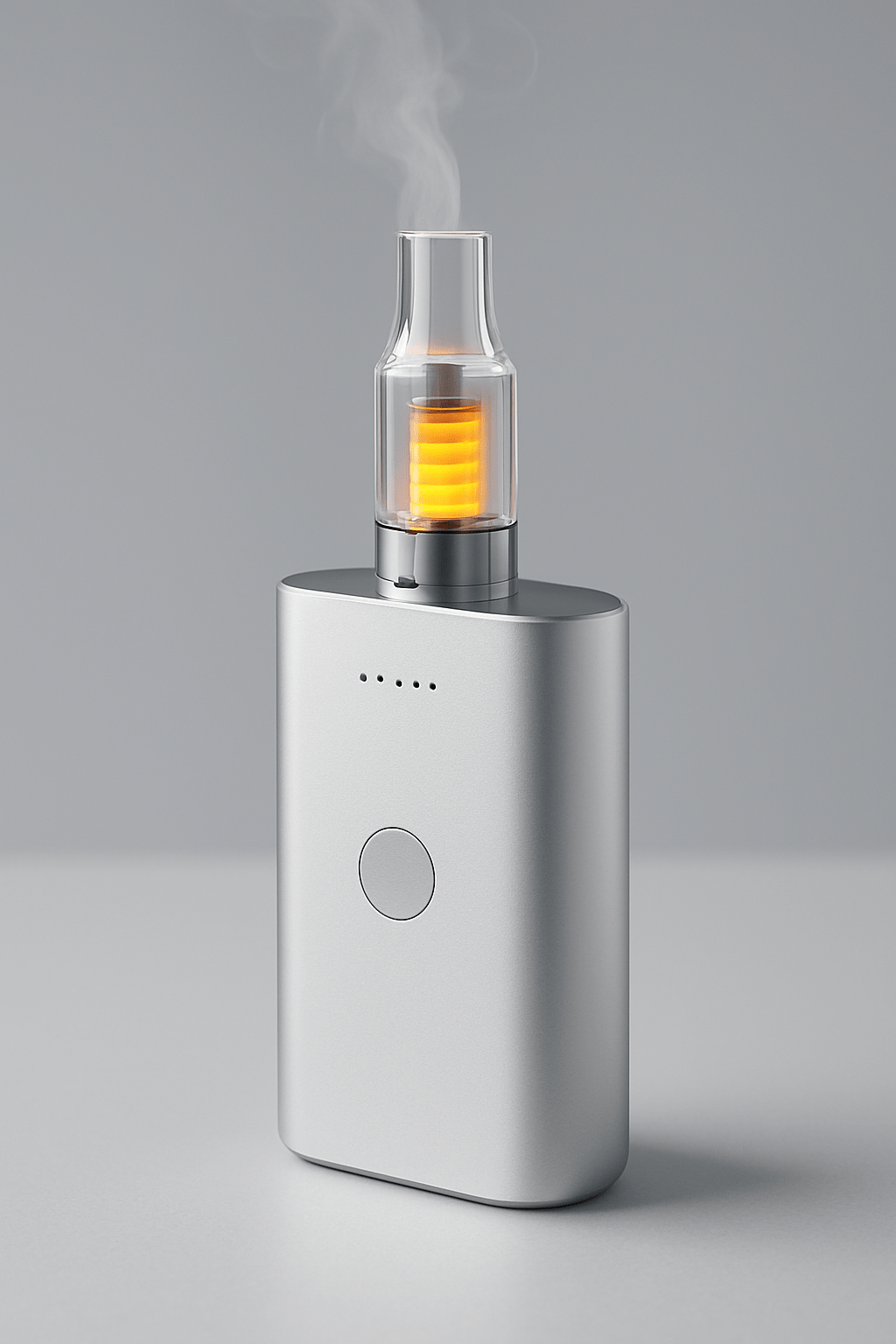
Apple’s patent filing introduces a new apparatus characterized by a heated plate mechanism placed above the material to be vaporized. This heated plate is designed to progressively move downward as the substance diminishes, ensuring temperature consistency and efficient vaporization. This mechanical approach cleverly addresses a common challenge found in vaporizers: uneven heating leading to wasted substance and inconsistent vapor output.
Unlike conventional vaporizers that may rely solely on fixed heating elements or conduits, Apple’s approach could allow for better temperature regulation and a longer, more uniform vaporization session. This innovation might prove useful in a variety of applications, including electronic cigarettes, aromatherapy devices, and potentially medicinal vaporization. Its design reflects Apple’s hallmark focus on meticulous engineering and user experience optimization.
Key Features of Apple’s Vaporizer Technology
- Dynamic Heating Plate: A plate positioned above the vaporizing medium can adjust its position to maintain optimal contact and heat distribution.
- Consistent Vapor Production: By moving the plate downward as the substance vaporizes, the device ensures each portion receives uniform heat.
- Use of Electronic Device Integration: Potential connectivity with other Apple products or smart devices, enhancing control, monitoring, and customization.
- Versatility: Compatible with various substances, not limited to cannabis, allowing broader market applications.
This detailed technical description distinguishes the patent as a significant innovation in vaporizer technology, pushing boundaries beyond traditional vaping devices. Its adaptability could appeal to diverse consumer needs, from wellness and medical uses to recreational enjoyment.
| Aspect | Description | Potential Benefit |
|---|---|---|
| Heated Plate | Adjustable position over substance to maintain heat contact | Prevents uneven vaporization, maximizes efficiency |
| Vaporization Chamber | Enclosed space where material is vaporized | Improves containment, controls vapor flow |
| Electronic Control | Electronics for temperature regulation and device operation | Allows precision and user customization |
| Substance Flexibility | Designed to vaporize multiple types of substances | Broader consumer appeal, regulatory flexibility |
Possible Applications and Market Impact of Apple’s Vaporizer Innovation
As Apple’s vaporizer patent hints at versatile use, various possible applications emerge across multiple sectors. Despite the vaporizer’s ambiguous substance focus, its implications for the cannabis and wellness markets are compelling. With 28 U.S. states having legalized medical cannabis and increasing global acceptance, innovative electronic devices that improve the user experience are in high demand.
Potential market applications include:
- Cannabis Vaporization: Medicinal and recreational consumers seek consistent dosing and flavor preservation, which Apple’s technology may deliver effectively.
- Nicotine Vaping: Electronic cigarettes remain popular, and improved vaporizer technology could enhance device efficiency and usability.
- Aromatherapy and Wellness: Devices for essential oils and herbal extracts, appealing to users focused on relaxation and holistic health.
- Other Medicinal Substances: Delivery of inhalable pharmaceuticals requiring precise dosing and stability.
These diverse applications hint at Apple’s possible strategy to enter the vaporizer market not solely for cannabis, but broadly targeting the health and wellness industry. While federal restrictions complicate cannabis-based product development, the potential cross-industry applications could enable Apple to navigate regulatory frameworks more easily.
| Market | Potential User Base | Key Needs | Apple Tech Advantages |
|---|---|---|---|
| Cannabis Consumers | Medical patients and recreational users | Consistent dosing, flavor, and efficiency | Precision heating, device integration |
| Nicotine Vapers | Adult smokers seeking alternatives | Ease of use, reliability, vapor quality | User-friendly design, smart controls |
| Wellness Enthusiasts | Users of aromatherapy and herbal extracts | Exposure control, smooth vapor delivery | Temperature management, customizable settings |
| Pharmaceutical Market | Patients requiring inhalable meds | Precise dosing, safety, clean delivery | Advanced regulation, integration with health apps |
The Intersection of Innovation and Regulation in the Vaporizer Industry
The market for vaporizers, especially those related to cannabis, exists in a complicated regulatory environment. Apple’s patent filing arrives during a pivotal era where innovation must balance with shifting legal frameworks. Federally, cannabis remains illegal in the United States, but with numerous states legalizing medicinal or recreational use, companies find themselves navigating a maze of regulations.
This delicate intersection presents challenges and opportunities:
- Federal Restrictions: Technological developments must avoid direct association with federally banned substances, complicating marketing and product distribution.
- State-Level Legalization: Provides localized markets and experimentation grounds for vaporizer technologies, creating valuable consumer data and trends.
- International Markets: Countries such as Germany have adopted progressive medical cannabis laws, presenting promising markets for vaporizer technologies.
- Technological Compliance: Innovations require certifications and adherence to safety standards expected in electronic devices and medical products.
Apple’s history of rigorous innovation under tight regulatory scrutiny positions it well to approach these challenges. Their patent filing suggests a cautious but potentially strategic entrance into this evolving industry, aiming to design technologies that comply with current laws while pushing vaporizer capabilities forward. For deeper insight into how different cannabis-related technologies coexist with regulations, one can read about Germany’s progressive cannabis patient grow policies and the visual culture of cannabis aesthetics.
Historical Context and Apple’s Connection to Vaporizer Innovation
Apple’s engagement with the vaporizer market may not be as unanticipated as it seems. Back in 2011, a former Apple employee, Mark Williams, left the company to co-found Firefly Vapor, a brand now renowned for high-end vaporizer craftsmanship. The Firefly vaporizer quickly became a benchmark in the industry due to its superior design and technology, pushing competitors like Pax to innovate further.
These developments predate Apple’s patent by several years but indicate a latent interest or familiarity with vaporizer technology within Apple’s culture. Industry insiders speculate that Apple’s founding technologies for the patent might have drawn inspiration from early vaporizer innovations or sought to improve upon them. The sustained demand for devices like the Firefly 2 and Pax 2 highlight the market’s appetite for refined vaporizer technology, which Apple’s patent appears poised to address.
It is worth noting the rise of vaporization as a preferred method for consumption, particularly in light of growing awareness around health impacts and the promotion of cleaner inhalation methods. For those intrigued by different inhalation techniques to enhance their experience, resources like this guide on smoking methods shed light on evolving consumption trends.
| Year | Event | Significance |
|---|---|---|
| 2011 | Mark Williams leaves Apple to create Firefly Vapor | Brings vaporizer expertise linked to Apple culture |
| 2015 | Firefly raises $47 million in funding | Validates commercial potential of vaporizer tech |
| 2016 | Apple patent filing for vaporizer technology | Signals possible strategic expansion into vaporization |
Exploring Future Prospects: Apple’s Role in the Electronic Vaporizer Market
Looking ahead, Apple’s patent filing sparks interesting questions about the company’s directional strategies in the realm of electronic devices. Whether the patent materializes into a commercial product such as an iVapo or a component embedded within a larger ecosystem remains to be seen. The potential integration of advanced vaporizer technology with Apple’s existing platforms could revolutionize user interaction with vapor devices by adding layers of connectivity, app-based control, and health monitoring.
If Apple’s vaporizer technology reaches the market, it may offer several notable advances:
- Smart Vape Devices: Integration with iOS for vapor output customization, heating schedules, and usage analytics.
- Health and Wellness Tracking: Combination with Apple Health to monitor inhalation patterns and their effects, supporting wellness initiatives.
- Improved User Safety: Electronic safeguards that prevent overheating and monitor vapor quality.
- Environmental Considerations: Designed for substance efficiency and device longevity to reduce waste and impact.
Apple’s patented vaporizer innovation may catalyze a transformative impact on how electronic vapor devices are designed and consumed, potentially setting new industry standards for precision, technology integration, and user-centric design. Enthusiasts interested in the health benefits of vaping and how it interacts with wellness can explore insightful content at Exploring the Benefits of Vaping Cannabis.


Post Comment