Exploring the Potential of CBD in Treating Endometrial Cancer

As the medical community continues to explore innovative avenues for cancer treatment, cannabidiol (CBD) has emerged as a significant point of interest in oncology, particularly concerning endometrial cancer. Endometrial cancer, the most common gynecologic malignancy in developed nations, presents ongoing challenges, especially when tumors become resistant to standard therapies. Recent research spearheaded by scientific teams at the University of Porto highlights the promising potential of CBD and CBD-rich extracts in modulating cancer cell viability, marking a pivotal moment in cancer research. Unlike the psychoactive Δ9-tetrahydrocannabinol (THC), CBD exhibits powerful anti-inflammatory properties and the ability to induce apoptosis (programmed cell death) in tumor cells without intoxicating effects, carving its niche as a candidate in cancer therapy strategies.
This exploration uncovers how cannabinoids, including endogenous body compounds like anandamide (AEA) and 2-arachidonoylglycerol (2-AG), interact with cannabinoid receptors and transient receptor potential channels to influence tumor growth dynamics. The selective targeting of specific receptors such as TRPV1 and TRPV2 provides a molecular framework for the selective destruction of estrogen-dependent endometrial carcinoma cells. Given the evolving landscape of medical cannabis regulations and the increasing accessibility of CBD formulations, these insights propel a new frontier in cancer treatment options that marry traditional oncology approaches with phytotherapeutics. As consumer and patient communities adopt CBD more broadly, it becomes crucial to understand the complexities of the CBD supply chain, the nuances of formulation, and the ongoing challenges in this burgeoning industry.
Delving deep into cellular mechanisms, recent studies affirm that CBD’s anticancer effects extend beyond symptom palliation to direct inhibitory actions on tumor proliferation. These discoveries invigorate ongoing efforts to integrate CBD safely and effectively within comprehensive cancer treatment regimens. The intersection of cannabinoid biology and oncology opens pathways for tailored therapies that could transform management of hard-to-treat endometrial cancers. This article will dissect the current scientific understanding, therapeutic mechanisms, formulation challenges, clinical implications, and regulatory aspects surrounding CBD’s potential in combating endometrial cancer, addressing an urgent need for efficacious and less toxic cancer therapies.
Unraveling the Mechanisms of CBD in Endometrial Cancer Cell Apoptosis and Growth Inhibition
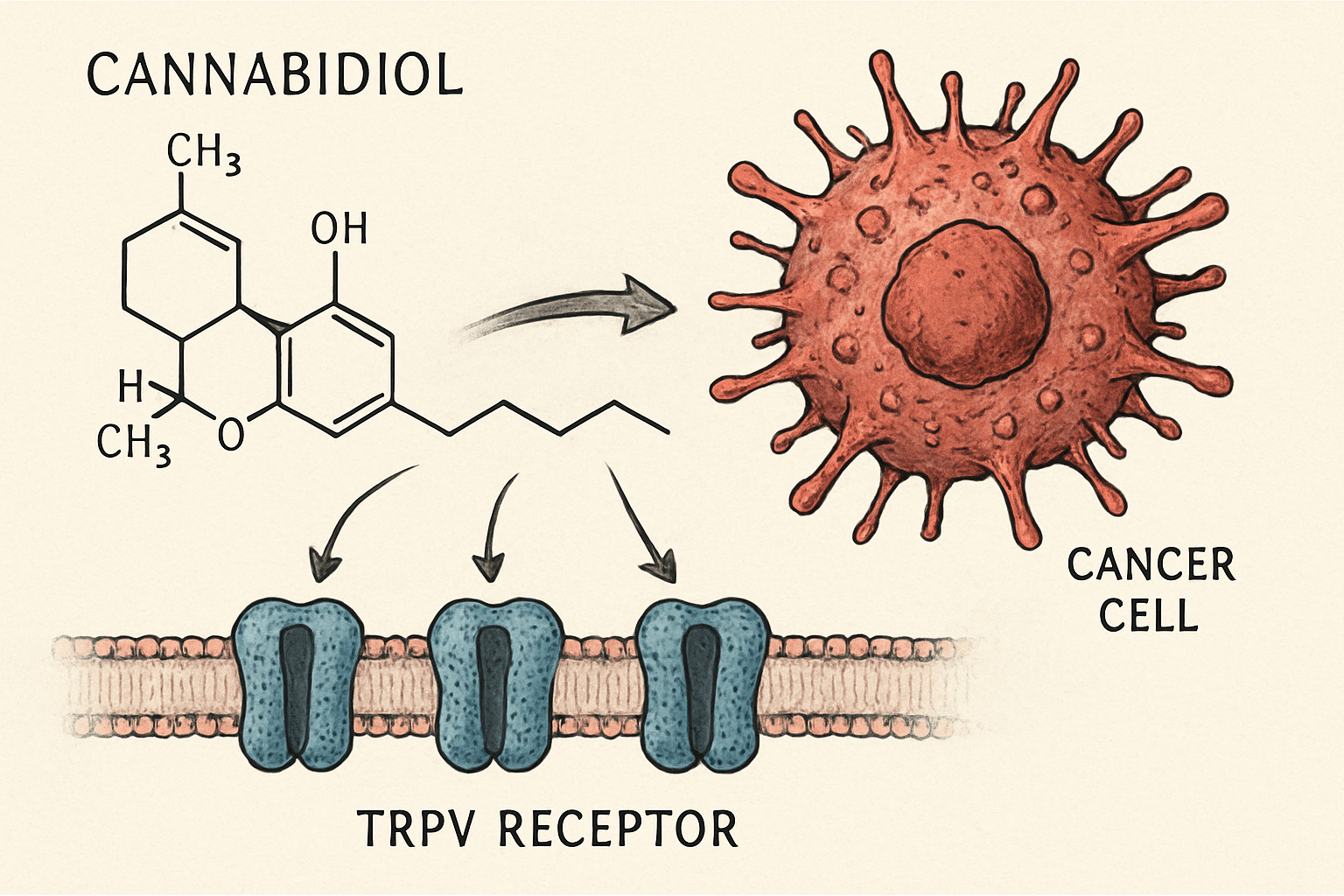
The cytotoxic effects of cannabidiol on endometrial cancer cells have gained substantial traction in scientific inquiry. Researchers from the University of Porto published compelling data indicating that cannabinoids can directly modulate the viability of endometrial cancer cells. One of the standout findings lies in CBD’s interaction with the transient receptor potential vanilloid type 1 (TRPV1) and type 2 (TRPV2) receptors. These receptors, integral to cellular calcium signaling, play crucial roles in cell proliferation and apoptosis regulation.
Endometrial cancer cells often demonstrate altered expression of these receptors, making them targets for selective cytotoxic effects. CBD binds and activates TRPV1 and TRPV2, triggering cascades that culminate in increased intracellular calcium. Elevated calcium can disrupt mitochondrial function, leading to programmed cell death, or apoptosis, a vital mechanism for eliminating malignant cells.
Another key pathway in CBD’s anticancer action involves modulation of the endocannabinoid system, which includes naturally occurring cannabinoids like anandamide (AEA) and 2-arachidonoylglycerol (2-AG). These endogenous ligands bind to cannabinoid receptors CB1 and CB2, expressed variably in tumor tissues. CBD enhances the levels of endocannabinoids by inhibiting their breakdown, thus strengthening their apoptotic effect on abnormal cells.
The study’s findings suggest a sequence of molecular interactions whereby CBD and related cannabinoids affect cell cycle arrest, reduce angiogenesis (the formation of new blood vessels that feed tumors), and limit tumor invasiveness. These multi-faceted effects contribute to growth suppression of endometrial carcinoma cells, especially those dependent on estrogen signaling pathways.
Illustrative Studies and Experimental Evidence
- In vitro cell viability assays: CBD treatment reduced proliferation rates of endometrial cancer cell lines significantly after 24 to 72 hours of exposure.
- Receptor expression analysis: Upregulation of TRPV1 and TRPV2 in endometrial tumors correlated with increased susceptibility to cannabidiol-induced apoptosis.
- Calcium influx measurement: Enhanced intracellular calcium levels confirmed receptor-mediated activation leading to mitochondrial disruption.
- Endocannabinoid level monitoring: CBD increased anandamide concentrations by inhibiting fatty acid amide hydrolase enzyme activity.
| Mechanism | Target | Effect | Outcome in Endometrial Cancer |
|---|---|---|---|
| TRPV1/TRPV2 activation | Cell membrane ion channels | Increased intracellular calcium | Induction of apoptosis, decreased proliferation |
| Endocannabinoid system modulation | CB1, CB2 receptors | Enhanced apoptotic signaling | Suppressed tumor growth and invasiveness |
| Anti-angiogenic effect | Vascular endothelial cells | Reduced new blood vessel formation | Restricted tumor nourishment and expansion |
This growing body of work not only reinforces the direct role of CBD in cell apoptosis and cancer growth inhibition but also beckons the oncology field to rethink how medical cannabis formulations can be integrated safely with existing cancer therapies.
Clinical Implications and Therapeutic Prospects of CBD for Endometrial Cancer Treatment
Translating preclinical discoveries into clinical applications represents a crucial frontier for CBD’s role in cancer therapy. The unique dual function of cannabinoids—providing symptom relief while exhibiting tumor-suppressive properties—makes them highly intriguing candidates for adjunct cancer treatment regimens. For women suffering from endometrial cancer who have developed resistance to conventional chemotherapy or hormone therapies, CBD offers an alternative mechanism of action that could revitalize treatment responses.
Clinical investigations are focusing on optimizing dosage, delivery methods, and combinations to potentiate CBD’s anticancer effects. In addition, the anti-inflammatory properties of CBD contribute to improving patients’ quality of life by alleviating pain, nausea, and inflammation often experienced during aggressive cancer treatments.
Given endometrial cancer’s heterogeneity, tailoring therapies based on tumor receptor expression profiles, including TRPV and cannabinoid receptors, is emerging as a precision oncology approach. By assessing receptor presence and activity, oncologists might predict which patients would gain the most benefit from CBD-based interventions.
Key considerations for therapeutic application:
- Dosing regimens balancing efficacy and safety to minimize adverse effects
- Selection of pharmaceutical-grade CBD extracts with consistent bioavailability
- Integration with other anticancer agents (chemotherapy, hormone blockers) to explore synergistic effects
- Monitoring of pharmacokinetic interactions and potential contraindications
| Clinical Factor | Description | Significance |
|---|---|---|
| Dosage Optimization | Determining effective CBD concentrations for tumor suppression | Maximizes therapeutic benefits while reducing side effects |
| Delivery Methods | Oral, topical, inhalational routes | Affects bioavailability and patient compliance |
| Combination Therapy | Use with chemotherapy or hormone therapy | Potential to overcome therapy resistance |
| Patient Stratification | TRPV1/TRPV2 receptor profiling | Enables personalized treatment planning |
Furthermore, as the perception and use of medical cannabis regulatory frameworks evolve globally, patient access and legal considerations remain vital components of clinical planning. Many countries have revised policies to incorporate CBD-based therapeutics, reflecting an acceptance of their potential benefits in oncology.
The Role of CBD Formulations and Delivery Systems in Optimizing Endometrial Cancer Therapy
Effective therapeutic use of CBD in endometrial cancer hinges significantly on the formulation and delivery system employed. The bioavailability of CBD can vary widely depending on its vehicle, with oral preparations often facing challenges due to first-pass metabolism reducing systemic concentrations.
Innovations in pharmaceutical technology have led to the development of advanced CBD delivery systems aiming to maximize therapeutic efficacy and patient convenience. These include nanoemulsions, liposomal encapsulation, and transdermal patches designed to bypass metabolic degradation and provide sustained release.
Choosing the right formulation also depends on balancing anti-inflammatory, anticancer, and symptom-relief roles of CBD within individualized cancer therapy programs. A growing body of literature underscores how specific formulations can influence the pharmacodynamics of CBD, impacting receptor activation and downstream effects important in cancer cell apoptosis and immune modulation.
Popular and Emerging CBD delivery methods:
- Oral capsules and oils – widely used but limited by variable absorption
- Inhalation (vaporization) – rapid onset but shorter duration
- Transdermal patches – sustained and controlled dosing
- Topical applications – localized anti-inflammatory effects
- Nanoemulsion and liposomal systems – enhanced bioavailability and targeted delivery
| Delivery Method | Bioavailability | Advantages | Limitations |
|---|---|---|---|
| Oral Capsules/Oils | Approx. 6-20% | Non-invasive, easy to use | First-pass metabolism reduces blood levels |
| Inhalation | Up to 56% | Rapid onset, high bioavailability | Short duration, potential lung irritation |
| Transdermal Patches | Variable, sustained release | Convenient, steady plasma levels | Skin irritation risk, limited penetration |
| Topical Applications | Localized effect | Targeted anti-inflammatory relief | Limited systemic absorption |
| Nanoemulsion/Liposomes | Improved oral bioavailability | Targeted delivery, enhanced stability | Higher production cost |
Comprehension of these delivery strategies aids oncologists and healthcare providers in selecting optimal CBD formulations for patients with endometrial cancer, enhancing both therapeutic results and quality of life. Patients and clinicians can also benefit from understanding the nuances described in guides such as this comprehensive overview of CBD formulations.
Anti-Inflammatory Properties of CBD and Their Impact on Cancer Progression and Patient Well-Being
Alongside direct anticancer effects, cannabidiol’s anti-inflammatory properties play an instrumental role in managing cancer’s systemic effects and impacting tumor microenvironment dynamics. Chronic inflammation is a known contributor to cancer progression, including in endometrial tumors, by promoting a biologically conducive niche for malignant transformation and invasion.
CBD achieves anti-inflammatory effects through multiple pathways, including inhibition of cytokine release, suppression of NF-kB signaling—a key transcription factor driving inflammation—and activation of peroxisome proliferator-activated receptors (PPARs) involved in cellular metabolism regulation.
By modulating inflammatory responses, CBD may improve symptoms associated with cancer and its conventional treatments, such as pain, fatigue, and edema. This symptom relief is significant in oncology care, where the goal extends beyond tumor eradication to enhancing overall patient wellness and treatment tolerance.
CBD’s anti-inflammatory mechanisms summary:
- Downregulation of pro-inflammatory cytokines including TNF-α, IL-6, and IL-1β
- Suppression of immune cell activation that exacerbates tumor inflammation
- Promotion of antioxidant pathways reducing oxidative stress within tumor microenvironment
- Interaction with endocannabinoid receptors to mediate homeostasis
| Inflammatory Marker | Effect of CBD | Impact on Endometrial Cancer |
|---|---|---|
| TNF-α | Inhibited release | Decreased tumor-promoting inflammation |
| IL-6 | Reduced expression | Reduced cancer cell proliferation and metastasis |
| NF-kB Pathway | Suppressed signaling | Lowered chronic inflammation supporting tumor growth |
| Oxidative Stress | Antioxidant activation | Protection of normal cells, damage reduction |
Such multifactorial anti-inflammatory properties underscore CBD’s valuable role in oncology from both therapeutic and supportive care standpoints. Insights into the benefits of CBD for overall health strengthen arguments for integrated treatment protocols that address both cancer biology and patient quality of life.
Future Directions: Challenges and Opportunities in CBD Research for Endometrial Cancer
Despite advances, there remain outstanding challenges and open questions in fully harnessing CBD for endometrial cancer treatment. The variability in tumor biology, differences in receptor expression, and the complex pharmacology of cannabinoids demand rigorous and comprehensive research. Additionally, the regulatory landscape for CBD varies globally, influencing research opportunities and clinical access.
Growth in the CBD industry and patient communities has spurred interest, but also emphasizes the need for standardized products and quality controls. Understanding the supply chain intricacies, from cultivation to extraction and formulation, is critical to ensure consistency and safety. Researchers and clinicians must navigate these hurdles to translate promising preclinical findings into validated, accessible therapies.
Key focal points for ongoing and future research efforts:
- Standardization and quality assurance of CBD products for medical use
- Large-scale clinical trials to evaluate efficacy and safety in diverse patient populations
- Exploration of combination therapies with conventional and novel agents
- Detailed study of receptor-specific effects in different endometrial cancer subtypes
- Addressing legal and regulatory issues to improve patient access and research
| Challenge | Current Status | Potential Impact |
|---|---|---|
| Product Standardization | Ongoing variability in purity and concentration | Essential for reproducible clinical outcomes |
| Clinical Evidence Base | Limited human trials, mostly preclinical data | Needed for regulatory approval and adoption |
| Regulatory Framework | Fragmented global policies | Hinders research, patient access, and innovation |
| Pharmacological Understanding | Complex cannabinoid interactions require elucidation | Informs personalized medicine approaches |
| Combination Treatments | Preliminary studies suggest synergism | May enhance treatment efficacy and reduce resistance |
Future progress is also closely tied to public education and patient advocacy within the growing CBD community. Resources such as this article exploring the CBD community’s impact offer insight into how patient-driven demand influences research priorities and healthcare practices.


Post Comment