Brazil’s Senate Committee Endorses Home Cultivation of Cannabis for Medical Purposes

In a landmark move reflecting changing attitudes towards cannabis worldwide, Brazil’s Senate Committee on Human Rights and Participatory Legislation has endorsed a pivotal report authorizing the home cultivation of cannabis for medical purposes. Spearheaded by Senator Marta Suplicy, this legislative initiative responds to the growing demand for accessible, affordable medical marijuana treatment options in the country. With over 600,000 people affected by chronic conditions such as epilepsy that may respond favorably to cannabis-derived therapies, this policy shift aims to alleviate suffering and reduce the financial burden of costly imported medicines.
The approval came after a proposal, initially introduced through Brazil’s e-citizenship portal and supported by more than 20,000 signatures, ignited an intense debate over cannabis policy reforms. While the Committee rejected recreational cannabis legalization, it decisively voted in favor of allowing patients and patient associations to cultivate cannabis plants at home strictly for therapeutic use. Senator Suplicy highlighted the urgent need to separate medical cannabis legislation from recreational use debates, emphasizing health benefits and pain relief for patients.
This development marks a critical turning point within Brazil’s legislative landscape, aligning the country with a global trend toward recognizing cannabis’s medicinal potential. The report is currently being drafted into a formal bill, which must clear several legislative committees before advancing to the Senate floor for plenary debate. This incremental but significant gesture towards legalization echoes policies emerging in other regions and could set a precedent for further reforms in Latin America’s largest economy.
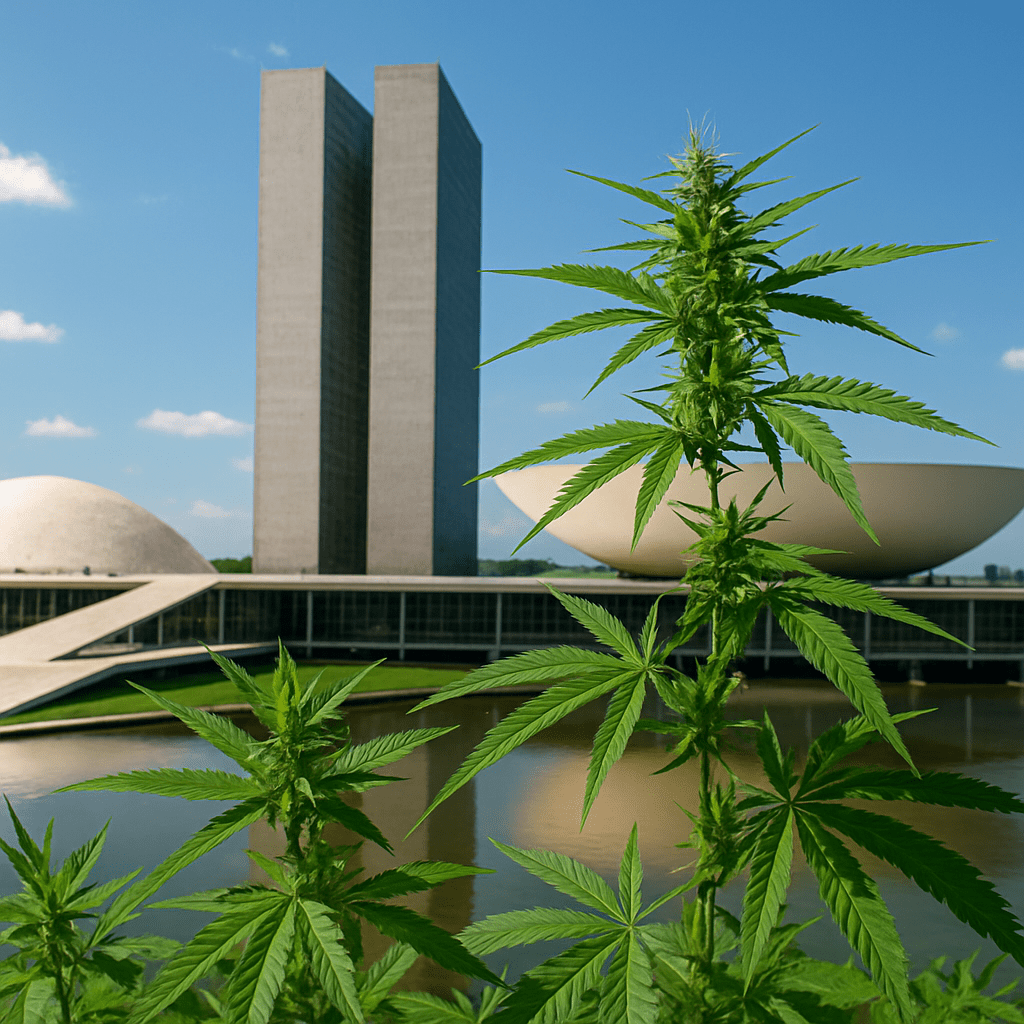
Evolution of Brazil’s Senate Committee Stance on Medical Cannabis and Home Cultivation
The endorsement by Brazil’s Senate Committee signifies a strategic evolution in the country’s approach to cannabis, balancing public health interests with legislative prudence. Traditionally, cannabis cultivation in Brazil remained heavily restricted, with laws primarily focusing on criminalization, particularly concerning recreational usage. However, growing evidence surrounding the therapeutic efficacy of cannabis has spurred renewed interest and pressure to reform these policies.
Senator Marta Suplicy’s report, which underpins the Committee’s recommendation, is the culmination of extensive consultations with medical professionals, psychologists, and families impacted by conditions that current treatments fail to adequately address. The challenge with existing medical marijuana in Brazil is its high cost driven by import dependency and limited domestic production facilities.
Key aspects of the Committee’s approach include:
- Medical Focus: Strictly differentiating medical cannabis from recreational use to allay concerns about drug abuse.
- Home Cultivation Authorization: Allowing patients and patient associations to grow low-THC cannabis plants under regulated conditions for personal medical use.
- Accessibility and Cost Reduction: Facilitating more affordable access to cannabis therapies by decreasing reliance on imported drugs.
- Regulatory Oversight: Ensuring cultivation and consumption occur under medical prescription and monitoring to safeguard patient health and public safety.
- Patient Empowerment: Supporting patient associations as legal entities to collectively cultivate and distribute cannabis-based medicines.
This approach echoes similar cannabis policy advancements globally, where countries like Germany have integrated insurance coverages for medical cannabis treatments (https://cannabis-dailynews.com/germany-cannabis-insurance/) and Australia has enhanced its medical cannabis export framework (https://cannabis-dailynews.com/australia-medical-cannabis-exports/). Brazil appears poised to adopt a nuanced policy that upholds stringent medical standards while addressing public demand and social realities.
| Aspect | Description | Impact |
|---|---|---|
| Senate Committee Approval | Report by Senator Marta Suplicy authorized home medical cannabis cultivation | Major legislative shift towards medical cannabis legalization |
| Patient Associations | Recognized entities cultivating for collective patient benefit | Improves access and community support |
| Regulatory Safeguards | Medical prescriptions and monitoring mandated | Minimizes risks of misuse or diversion |
| Exclusion of Recreational Use | Committee voted against depenalizing recreational cultivation | Maintains current drug control status |
| Cost Implications | Potential reduction of import dependency and treatment costs | Adept affordability for patients |
The Medical Benefits Driving Brazil’s Legislative Change on Cannabis
The push for legalized home cultivation for medical purposes is grounded heavily in empirical health benefits cannabis can offer patients. Numerous studies now underscore the value of cannabinoids, primarily cannabidiol (CBD) and tetrahydrocannabinol (THC), in managing symptoms for conditions such as epilepsy, chronic pain, multiple sclerosis, and anxiety disorders.
In Brazil, over 600,000 individuals suffer from epilepsy alone, many of whom endure severe, treatment-resistant forms where conventional pharmaceuticals fall short. Senator Suplicy’s advocacy highlighted how cannabis products can drastically reduce seizures and improve quality of life. The prohibitive price of medications like Sativex—already available but costly—has limited access for countless patients.
Key medical reasons behind the legislation include:
- Symptom alleviation: Cannabis compounds assist in pain relief, seizure control, and inflammation reduction.
- Reduction of side effects: Compared to traditional pharmaceutical treatments, cannabis offers a potentially safer profile with fewer adverse reactions.
- Improved patient autonomy: Home cultivation allows patients to manage dosages with guidance, ensuring adherence to prescribed treatments.
- Scientific validation: The approval aligns with global medical trends as research into cannabis efficacy intensifies.
- Potential mental health benefits: Some cannabinoids show promise for anxiety, PTSD, and depression management.
Across the globe, countries experimenting with medical marijuana policies have reported substantial patient benefits and healthcare cost reductions. For insight on international developments, readers can explore cannabis legalization progressions, such as the ongoing debate in France (https://cannabis-dailynews.com/cannabis-legalization-france/) and shifts in Canada’s cannabis pharmaceutical market (https://cannabis-dailynews.com/fagron-canadian-cannabis/).
| Medical Condition | Cannabinoid Impact | Brazilian Context |
|---|---|---|
| Epilepsy | Significant seizure reduction with CBD-rich products | 600,000+ patients highly affected; cannabis offers hope |
| Chronic Pain | Analgesic properties reducing opioid dependence | Existing pain patients could access cheaper options |
| Multiple Sclerosis | Muscle spasm relief and mobility improvement | Support for disabled population growth |
| Anxiety and PTSD | Calming and mood-stabilizing effects | Emerging psychiatric treatment avenues |
Legal Framework and Regulatory Challenges in Implementing Home Cultivation for Therapeutic Use in Brazil
The legislative endorsement by the Senate Committee is merely a pivotal phase in a complex, multi-layered regulatory journey. The drafting of the formal bill must address numerous legal, medical, and societal factors to secure comprehensive safeguards.
A few challenges ahead:
- Establishing licensing and monitoring systems: Patients and patient associations require clear protocols for registration and oversight to prevent illegal use or diversion.
- Defining THC concentration limits: The bill revolves around low-THC cannabis cultivation, capped at 0.3%, balancing medicinal potency with public safety concerns.
- Integrating healthcare professional roles: Physicians and pharmacists need legal clarity for prescribing and advising on cannabis therapies.
- Combating stigma: Public education campaigns will be necessary to distinguish medical cannabis from recreational stigma and discourage adolescent abuse.
- Ensuring equitable access: Special attention to vulnerable populations and rural communities must be part of the policy rollout.
Brazil’s move is reminiscent of other jurisdictions dealing with similar dilemmas, such as Saskatchewan’s medical cannabis legalization framework which incorporates patient cultivation rights (https://cannabis-dailynews.com/saskatchewan-cannabis-legalization/), and lessons learned from earlier policy missteps worldwide—including concerns about adolescent cannabis use myths (https://cannabis-dailynews.com/adolescent-cannabis-myth/).
| Regulatory Area | Challenges | Proposed Solution |
|---|---|---|
| Licensing & Oversight | Prevent diversion and ensure compliance | Secure patient registry and regular audits |
| THC Limits | Balance therapeutic use and public safety | Strict thresholds below 0.3% THC |
| Medical Prescription | Clarify physician & pharmacist roles | Official guidelines and training |
| Public Education | Combat misinformation and stigma | Awareness campaigns and scientific outreach |
| Access Equity | Address disparities in healthcare access | Subsidized programs & rural outreach |
Social and Economic Implications of Medical Cannabis Legalization in Brazil
Legalizing home cultivation of cannabis for medical use carries significant social and economic ramifications, both immediate and long-term. Beyond patient health, there is potential for Brazil to develop a robust domestic cannabis industry tailored towards low-THC medicinal products, boosting research, job creation and localized production while limiting foreign import dependency.
Economically, the initiative could:
- Reduce healthcare costs: Decreasing reliance on expensive imported cannabis pharmaceuticals like Sativex.
- Stimulate agricultural innovation: Promote hemp and medical cannabis crop cultivation within local communities and farms.
- Generate employment: From official cultivation to processing, manufacturing, and distribution roles.
- Fuel scientific research: Encourage universities and research centers to explore cannabis’s therapeutic prospects further.
- Form partnerships: Enable patient associations to become legal entities capable of bulk production and medicine distribution under regulation.
Socially, empowering patients with legal cultivation rights fosters destigmatization and community solidarity. However, the initiative demands careful balancing to ensure public safety and prevent accidental recreational normalization. Brazil must tackle these by investing in education and enforcement—taking cues from international precedents that delineate between therapeutic use and societal harms. For example, tapping into cannabis culture insights such as dabbing trends worldwide and regulatory lessons from early adopter countries will be instrumental.
| Impact Area | Potential Benefits | Considerations |
|---|---|---|
| Healthcare | Improved patient access and affordability | Coordination with healthcare providers essential |
| Economy | Job creation and decreased import reliance | Regulation to ensure quality control |
| Social | Reduced stigma and increased awareness | Preventing misuse and adolescent exposure |
| Research | Innovation in therapeutic applications | Funding and legal frameworks needed |
| Legislative | Precedent for further reform measures | Continuous legislative oversight |
International Comparisons: Brazil’s Position in Global Medical Cannabis Policy Trends
Brazil’s Senate Committee decision fits into a larger global tapestry where medical cannabis legalization gains momentum. Many countries have shifted policies towards supporting home cultivation and expanding access for patients under regulated systems.
Noteworthy international frameworks include:
- Germany: Insurance coverage for medical cannabis patients, ensuring accessibility (https://cannabis-dailynews.com/germany-cannabis-insurance/).
- Canada: Legal market with patient cultivation rights and pharmaceutical production (https://cannabis-dailynews.com/fagron-canadian-cannabis/).
- Australia: Strategic exports of medical cannabis products, supporting economic growth (https://cannabis-dailynews.com/australia-medical-cannabis-exports/).
- France: Recent debates on expanding access and legalization (https://cannabis-dailynews.com/cannabis-legalization-france/).
- Latin America: Progressive jurisdictions in Uruguay and Colombia shaping regional trends.
Brazil’s cautious but decisive approach to medical marijuana legalization aligns with a pragmatic recognition of health imperatives while preserving societal safeguards. As other nations navigate the balance between therapeutic use and recreational control, Brazil’s policy framework may serve as a model for regional neighbors embarking on similar reforms. Understanding the pitfalls in prior legalization efforts—such as concerns over adolescent cannabis myths (https://cannabis-dailynews.com/adolescent-cannabis-myth/) or regulatory overreach—can fortify Brazil’s innovative yet controlled strategy.
| Country | Medical Cannabis Policy | Home Cultivation Allowed | Regulatory Highlights |
|---|---|---|---|
| Brazil | Pending legislation; Senate Committee approval | Supported for medical purposes only | Low THC limits, patient associations involved |
| Germany | Medical cannabis legalized | Permitted for patients in specific cases | Insurance notable coverage |
| Canada | Fully legal medical cannabis market | Patient cultivation allowed under regulations | Pharmaceutical-grade production |
| Australia | Medical cannabis legalized with export emphasis | Limited home cultivation allowed | Strong agricultural focus |
| France | Debating expanded medical cannabis legalization | Not fully authorized yet | Ongoing legislative discussions |


Post Comment