New Mexico Senate Approves Legislation for Psilocybin Therapy Initiative

|
IN BRIEF
|
The recent approval by the New Mexico Senate of legislation to create a psilocybin therapy initiative marks a significant milestone in the evolving landscape of mental health treatment. With a bipartisan vote of 33-4, this legislation represents a critical step forward in recognizing the therapeutic potential of psilocybin, particularly for patients grappling with serious mental health challenges such as PTSD, depression, and substance use disorders. As states across the nation explore innovative approaches to mental health care, New Mexico is positioning itself as a leader in the legalization of psychedelic therapy, paving the way for a structured and regulated framework that could offer new hope to those in need of effective treatments.
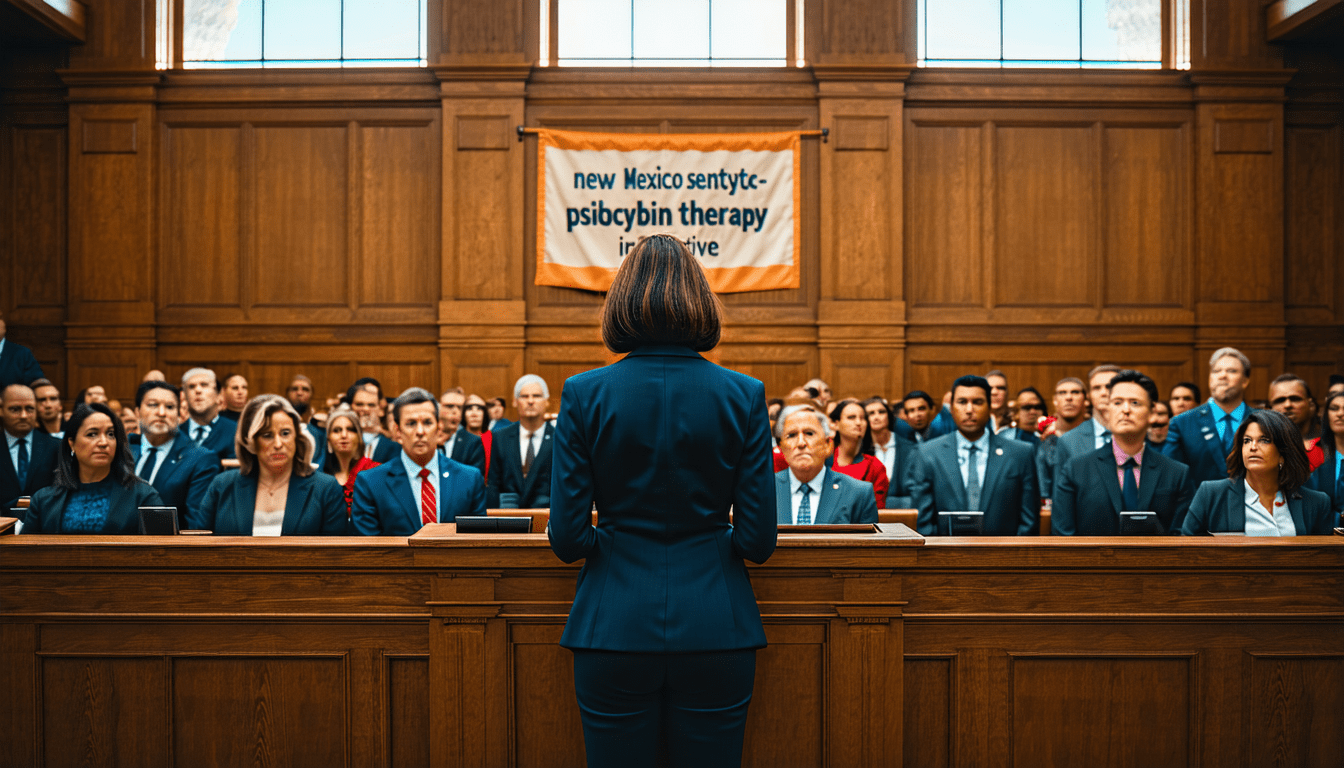
The recent approval of legislation by the New Mexico Senate marks a significant turning point in the acceptance and potential implementation of psilocybin therapy. The Medical Psilocybin Act, which advocates for the medical use of psilocybin, aims to offer new treatment options to patients suffering from serious mental health conditions. This progress not only reflects a growing acknowledgment of the therapeutic potential of psychedelics but also paves the way for legislative frameworks that prioritize patient health and safety.
Details of the Psilocybin Initiative
Passed with a bipartisan vote of 33-4, the legislation, introduced by Sen. Jeff Steinborn, received backing from various lawmakers recognizing the urgent need for innovative treatments for mental health issues. The act allows patients with qualifying conditions to access psilocybin under the supervision of licensed healthcare providers. This approach emphasizes a controlled environment, differentiating it from typical recreational use, and ensuring that patient safety is a top priority.
Legislative Journey to Approval
The road to this legislation has been paved with discussions and debates that reflect changing perceptions around psychedelics. Having cleared three separate committees within a month, it now proceeds to the House of Representatives where further considerations will occur. The affirmative vote signifies an evolving landscape where lawmakers in New Mexico are willing to take bold steps in the realm of mental health treatment, affirming that traditional methods may not suffice for all patients.
Qualifications and Access
The Medical Psilocybin Act specifically outlines which conditions would qualify individuals for access to psilocybin therapy. Major treatment-resistant depression, PTSD, substance use disorders, and end-of-life anxiety are among the issues cataloged for potential treatment. This targeted approach underscores the act’s intent to address acute mental health challenges and provide viable solutions for patients who have found little relief through conventional therapies.
A Comprehensive Framework for Implementation
By establishing a well-structured framework for psilocybin therapy, the legislation mandates that the state Department of Health develop guidelines and protocols regarding the administration, dosage, and possible settings for psilocybin therapy. This formal regulation process allows for systematic study and adaptation of the therapy while ensuring patients are treated safely and effectively. Furthermore, a nine-member advisory board will oversee the ongoing evaluation of treatment efficacy and safety, adjusting guidelines as new evidence emerges.
Funding and Resources for Psilocybin Research
The approved bill allocates funds for both research and treatment equity initiatives, demonstrating a commitment to understanding the full spectrum of psilocybin’s therapeutic potential. A medical psilocybin treatment equity fund will help offset costs for qualifying patients who meet financial requirements, making it more accessible to those in need. Concurrently, a medical psilocybin research fund aims to finance comprehensive studies into the efficacy and operational aspects of psilocybin therapy, contributing to a body of science that will inform future practices.
Bi-Partisan Support and Veteran Recognition
What stands out about this legislative initiative is its broad appeal across the political spectrum. Lawmakers including combat veterans have expressed their support, citing personal experiences that highlight the therapeutic benefits of psilocybin. The shift from initial opposition to understanding reflects a changing dialogue around mental health treatment options, particularly for veterans dealing with PTSD and trauma. This recognition can further influence public perceptions and open doors for additional mental health reforms.
The Future Implications
The Medical Psilocybin Act in New Mexico signals a broader shift not only within the state but potentially across the United States regarding psychedelic research and therapy. As more states consider similar legislation, the groundwork being laid in New Mexico could serve as a model for developing effective, safe, and regulated use of psilocybin. The implications for patients struggling with mental health conditions are profound, as this initiative may provide new avenues for healing where traditional methods have fallen short.
While the journey of psilocybin therapy is still in its early stages in New Mexico, the recent legislative approval represents hope for countless individuals seeking relief from debilitating mental health conditions. A commitment to research, safety, and accessibility will be vital in ensuring that the benefits of psilocybin can be fully realized in a responsible manner. As the initiative progresses, its successes and challenges will serve as critical learning opportunities for other states contemplating similar measures.
Comparison of Psilocybin Therapy Legislation in New Mexico
| Aspect | Details |
| Bill Name | Medical Psilocybin Act |
| Vote Outcome | 33-4 in the Senate |
| Target Conditions | Treatment-resistant depression, PTSD, substance use disorders |
| Administration Setting | Licensed healthcare provider only |
| Therapy Sessions | Preparation, administration, and integration |
| Research Component | Research fund for medical psilocybin use |
| Advisory Board | Nine-member board for dosage recommendations |
| Funding Allocation | $2 million for program administration |
| Legal Protections | Shield for service providers from criminal prosecution |
| Implementation Timeline | Effective from June 20, 2025 |

The recent advancement in mental health treatment has taken center stage in New Mexico with the passing of the Medical Psilocybin Act by the New Mexico Senate. This legislation allows for the therapeutic use of psilocybin, a compound found in certain mushrooms known for its psychedelic properties, under the supervision of licensed healthcare providers. With a bipartisan vote of 33-4, this initiative is set to pave the way for a new era in mental healthcare, addressing conditions such as PTSD, treatment-resistant depression, and end-of-life anxiety.
The Medical Psilocybin Act recently garnered significant bipartisan support in the New Mexico Senate, marking a historic step towards legalizing psilocybin therapy in a regulated medical framework. Spearheaded by Senator Jeff Steinborn, the bill emphasizes meticulous planning and safety, aiming to ensure that psilocybin is administered in a controlled environment designed specifically for therapeutic purposes.
Key Features of the Legislation
The act proposes a structured program that allows patients with qualifying conditions to access psilocybin therapy. This includes sessions for preparation, administration, and follow-up, ensuring ongoing support for individuals undergoing treatment. Licensed healthcare providers will oversee the administration of the psychedelics, differentiating this program from more casual uses, such as those seen in recreational cannabis scenarios.
Conditions Covered by Psilocybin Therapy
Patients suffering from serious mental health conditions such as PTSD, major treatment-resistant depression, and certain substance use disorders will be eligible for this groundbreaking therapy. The legislation is framed to provide substantial relief for those who have struggled to find effective treatment options through traditional medical practices.
Support from Diverse Political Facets
The passing of this act demonstrates a rare example of cross-party collaboration. Notably, Senator Jay Block, a veteran who initially opposed the legislation, expressed a transformative change in perspective, viewing the bill as vital for individuals facing grave mental health struggles. This shift signifies an evolving understanding of mental health treatment across political demographics.
Advisory Board and Continued Research
The act establishes a nine-member advisory board responsible for recommending additional qualifying conditions for psilocybin therapy, ensuring the program adapts to emerging research and patient needs. The board will play a critical role in guiding the Department of Health to make informed decisions based on the latest scientific findings.
Financial Framework and Implementation Timeline
Initial funding considerations included a provision of $2 million from the state general fund to facilitate the program’s launch, alongside additional support for equity and research initiatives. The act not only aims to improve mental health outcomes but also to reduce costs associated with treatment by establishing a medical psilocybin treatment equity fund for eligible patients.
Comparative Legislative Landscape
New Mexico joins states like Oregon and Colorado in recognizing the medicinal potential of psilocybin, but it stands out as the first to develop this initiative through legislative action rather than a voter initiative. This could set a precedent for other states contemplating similar measures in the ongoing fight to provide comprehensive mental health solutions.
- Legislation Name: Medical Psilocybin Act
- Approval Status: Passed by New Mexico Senate
- Vote Count: 33-4
- Next Step: Awaiting House of Representatives vote
- Target Conditions: Major treatment-resistant depression, PTSD, substance use disorders, end-of-life anxiety
- Administration: Under licensed healthcare provider supervision
- Program Developers: New Mexico Department of Health
- Therapy Structure: Preparation, administration, follow-up integration sessions
- Advisory Board: Nine-member panel to oversee rules and conditions
- Funding Initiatives: Equity fund for qualified patients, research fund for psilocybin studies
Overview of the Psilocybin Therapy Initiative
The New Mexico Senate has recently taken a groundbreaking step by passing a bill aimed at establishing a therapeutic psilocybin program within the state. This initiative, which garnered bipartisan support, was approved by a significant margin of 33-4 votes, allowing for the regulated medical use of psilocybin to assist patients coping with various mental health issues. The bill is now on its way to the House of Representatives, where its potential enactment could signify a monumental shift in mental health treatment across New Mexico.
Therapeutic Applications
The Medical Psilocybin Act is designed to provide access to psilocybin for patients suffering from specific medical conditions, including treatment-resistant depression, PTSD, and substance use disorders. Under this legislation, patients will be able to utilize psilocybin under the supervision of licensed healthcare providers in a controlled and supported environment. This therapeutic model not only opens new avenues for treatment but also highlights the need for more comprehensive approaches to addressing serious behavioral health issues.
Establishment of a Regulatory Framework
One of the crucial aspects of the legislation is the establishment of a structured framework to ensure safe practices in the application of psilocybin therapy. The New Mexico Department of Health will oversee the development of guidelines for clinician training and the establishment of standardized protocols regarding dosage, administration settings, and the cultivation of psilocybin mushrooms. This regulatory oversight aims to provide patients with confidence in the treatment process, promoting safety and efficacy.
Role of Advisory Boards
The bill proposes the creation of a nine-member advisory board tasked with reviewing additional qualifying conditions for psilocybin therapy and overseeing the preparation and dosage regulations. This board will consist of healthcare providers and experts knowledgeable about mental health and psilocybin research, ensuring that decisions are informed by current scientific understanding and best practices.
Research and Equity Funds
An added dimension of the legislation includes the allocation of resources for research and treatment equity. The establishment of a medical psilocybin treatment equity fund and a research fund signifies a commitment to ensuring that all eligible patients have access to treatment regardless of their financial circumstances. These funds are intended to support ongoing research aimed at uncovering the full potential of psilocybin in clinical settings, ultimately benefiting a wider population of individuals struggling with mental health challenges.
Importance of Ongoing Research
While the bill lays the groundwork for psilocybin therapy, it simultaneously advocates for continued research. Acknowledging the importance of evidence-based practices, the legislation underscores the need for data-driven approaches to evaluate the efficacy and safety of psilocybin treatment modalities. As states like New Mexico pave the way for psychedelic-assisted therapy, ongoing studies will be crucial to shaping the future of mental health care.
Challenges and Considerations
Despite the potential positive impact of this legislation, challenges remain. Concerns regarding the implementation of the program, state oversight, and the integration of psilocybin into existing clinical practices require careful consideration. Furthermore, addressing the stigma surrounding psychedelics will be essential in persuading skeptics and ensuring wide-ranging acceptance of the therapeutic uses of psilocybin.
Conclusion on Future Directions
The passage of the Medical Psilocybin Act represents a crucial advancement in mental health treatment options for New Mexicans. As the legislative process continues in the House, it is clear that the establishment of a structured, regulated approach to psilocybin therapy holds great promise for improving mental health outcomes and providing new hope for individuals grappling with debilitating conditions.
Frequently Asked Questions about Psilocybin Therapy Initiative in New Mexico
What legislation has the New Mexico Senate approved? The New Mexico Senate has approved Senate Bill 219, also known as the Medical Psilocybin Act, which aims to establish a therapeutic psilocybin program in the state.
What are the voting results for this legislation? The Medical Psilocybin Act passed with a bipartisan vote of 33-4 and is now awaiting a vote in the House of Representatives.
Who introduced the Medical Psilocybin Act? The bill was introduced by Senator Jeff Steinborn along with several co-sponsors.
Who would be able to use psilocybin under this bill? Patients with certain qualifying medical conditions, such as major treatment-resistant depression, PTSD, and substance use disorders, would be able to access psilocybin therapies under the guidance of licensed healthcare providers.
What does the therapy process involve? The therapy process would typically include a preparation session, an administration session, and a follow-up integration session.
What oversight will there be for the psilocybin program? The New Mexico Department of Health would establish guidelines regarding clinician training, dosing, approved settings for administration, and other best practices.
What role will the advisory board play? A nine-member advisory board will recommend additional qualifying conditions and establish rules for the program, including preparation and dosage guidelines.
Will synthetic psilocybin be allowed under the program? No, the use of synthetic psilocybin and synthetic analogs of the substance is prohibited under the proposal.
What are the financial provisions for the program? The bill initially proposed an allocation of $2 million from the state general fund to administer the program, along with additional funds for a research fund and an equity fund to assist qualified patients.
How does this initiative compare to other states? New Mexico becomes the third state in the U.S. to legalize the medical use of psilocybin, following Oregon and Colorado, but does so through legislative action rather than a voter initiative.


Post Comment